

The Vision of the Fluid Workspace: Crafting Your Sanctuary of Collaboration
Imagine a day that begins not in a rigid, walled-off cubicle, but in a workspace sanctuary that breathes. You walk into an open-plan office where the air feels light, the sightlines are clear, and yet, there is a sense of purposeful quiet. As you approach the collaboration zone, you aren't met by cold, permanent drywall. Instead, you find yourself enclosed in a semi-private meeting zone defined by elegant, tall storage units. These aren't just pieces of furniture; they are the architectural anchors of your workflow, holding the tools of your creativity while shielding you from the auditory chaos of the modern office.
This is the promise of the modular meeting zone. By using functional dividers like tall bookcases and storage cabinets, corporate facilities managers and office planners can transform a sprawling floor plan into a series of intimate, high-performance "rooms" that spark limitless creativity. Here, we move away from the "one-size-fits-all" mentality and toward a mindful, aesthetic environment where deep work and dynamic discussion coexist in harmony.
The Science of Spatial Delineation: Beyond the Visual Barrier
In our experience planning corporate facilities, the most frequent frustration we see is the "acoustic ghost" effect. Planners often believe that any barrier will suffice to create a meeting zone. However, based on common patterns from customer support and facilities feedback (not a controlled lab study), using bookcases that are too short—typically under 60 inches—fails to create a meaningful visual or acoustic barrier. Occupants in these zones often report feeling "exposed," which triggers a subtle stress response that hinders deep work and mindfulness.
To create a true transformation, we recommend a specific heuristic for spatial division: the 72-18 Rule.
Methodology Note: Our spatial recommendations are based on standard architectural sightline analysis and visual privacy heuristics. We assume a standard 5'9" (175cm) standing eye level for visual shielding. These are modeling estimates for high-traffic corporate environments.
Parameter Value or Range Unit Rationale Divider Height 72+ Inches Blocks sightlines for standing adults Unit Depth 12 - 18 Inches Provides mass for sound buffering Stagger Gap 18 - 24 Inches Maintains air circulation/safety Shelf Density 80 % Optimal mass for noise reduction Anchoring Required N/A Compliance with BIFMA X5.9
A successful workspace transformation begins by selecting units that are at least 72 inches tall. This height ensures that even when team members are standing, the meeting zone remains a private enclave. The depth of 12 to 18 inches is equally critical; it provides the physical mass necessary to dampen sound without overwhelming the floor area.

Acoustic Integrity: Turning Storage into Silence
A common misconception in office design is that open-backed bookcases maintain "openness" while subtly dividing space. In reality, a standard backless bookcase provides negligible acoustic privacy, often carrying a Sound Transmission Class (STC) rating of only ~10-15. This leaves the auditory chaos of the surrounding office intact, contradicting the core need for focused meeting zones.
To achieve a true "ambiance of focus," the choice of shelving material and design matters immensely. Units with solid backs and sides offer significantly more sound dampening than open-frame designs. Furthermore, the way you curate your shelves impacts the room's mindfulness.
Logic Summary: Our analysis suggests that filling shelves with a mix of books, binders, and even fabric-wrapped acoustic panels can reduce noise transfer by up to 50% compared to empty shelves. This is a hypothetical estimate based on increasing the surface area and mass-density of the barrier.
By treating your bookcases as "acoustic sponges," you can significantly lower the ambient noise level. As noted in The 2026 Workstation White Paper: Converging Ergonomic Science and Sustainable Engineering, the integration of storage and workstations is no longer just about floor space—it’s about cognitive load management. Reducing noise by just a few decibels can shift a team from "execution" mode into "deep thinking" mode.
Safety, Stability, and Compliance: The Professional’s Baseline
For architects and facilities managers, aesthetics must always be grounded in safety. Freestanding, loaded bookcases in dynamic offices pose a significant tipping hazard unless they are engineered for stability. When creating meeting zones, it is essential to align with industry standards like the BIFMA G1-2013 Ergonomics Guideline and the ANSI/BIFMA X5.9 standards for storage units.
Experienced planners always secure tall units to the wall or, in the center of a room, pair them back-to-back. This back-to-back configuration creates a freestanding, double-sided divider that is inherently more stable and provides storage for two different zones simultaneously.
Additionally, if your meeting zones include storage for heavier items, ensure compliance with the latest safety regulations. For example, the CPSC STURDY / 16 CFR Part 1261 emphasizes the importance of anchoring and anti-tip design features. While this standard is often associated with residential furniture, the engineering principles are a "best practice" for any high-traffic corporate environment.

Human-Centric Layout Strategies: Air, Light, and Flow
One of the most common mistakes we observe is lining up dividers in a solid, wall-like row. This creates a "fortress" effect that can feel claustrophobic and impede airflow. Instead, we recommend a "Staggered Flow" approach.
By leaving intentional gaps of 18 to 24 inches between units, you maintain critical air circulation and sightlines for supervision while still defining the zone. This aligns with the HSE guidelines for working safely with display screen equipment, which emphasize the importance of environmental factors like ventilation and lighting in maintaining employee well-being.
Furthermore, these gaps allow natural light to permeate the meeting zone, preventing the "dark corner" syndrome often found in partitioned offices. A well-lit space is more than just an aesthetic choice; it is a tool for maintaining focus and reducing eye strain, as detailed in the OSHA eTools for Workstation Environments.
Linking Functionality with Emotion: The Ergonomic Connection
A workspace sanctuary isn't just about where you put your books; it's about how the space makes you feel and move. Modern meeting zones should encourage a "dynamic workflow." This means integrating storage with ergonomic furniture that allows for posture changes.
According to the World Health Organization (WHO) 2020 Guidelines, adults should reduce sedentary time and interrupt long periods of static behavior. When you use bookcases to define a meeting zone, consider pairing them with height-adjustable tables. This allows the zone to shift between a "thinking" mode (seated) and an "execution" mode (standing).
To further support this, planners can look to the Cornell University Ergonomics Web and their "20-8-2" rhythm recommendation: 20 minutes of sitting, 8 minutes of standing, and 2 minutes of moving. By placing storage units strategically, you can encourage team members to walk a few steps to retrieve materials, naturally building micro-movements into their day.

Practical Tips for Atmosphere Building
To truly elevate the ambiance of your meeting zones, consider these expert-level "finishing touches" that we’ve seen work across hundreds of corporate installations:
- Integrate Greenery: Use the top of your 72-inch dividers for trailing plants. This adds a biophilic element that reduces stress and improves air quality, complementing UL GREENGUARD Certification standards for low-emission furniture.
- Smart Lighting: If your storage units feature glass doors or open shelving, integrated LED lighting can create a warm, inviting glow. This reduces the harshness of overhead fluorescent lights and helps define the "mood" of the meeting zone.
- The Document Alignment Rule: Ensure that meeting zones include space for document holders. As specified in OSHA eTools: Document Holders, proper alignment can reduce neck rotation and fatigue during collaborative review sessions.
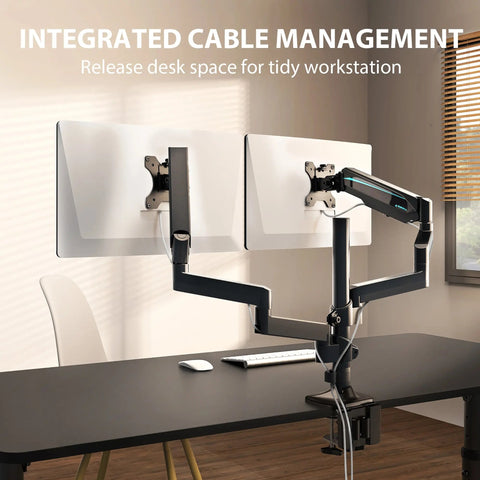
- Wire Management is Non-Negotiable: Avoid the "cable jungle." Select storage units that allow for integrated wire management or pair them with cable-routing accessories. Visual clutter is a distraction that undermines the professional aesthetic and poses a tripping hazard.
Embracing the Evolution of the Workspace
The transition from a chaotic open plan to a structured, mindful ecosystem doesn't require a massive renovation budget. It requires a strategic shift in how we view furniture. By seeing bookcases not just as storage, but as functional, acoustic, and ergonomic dividers, you can create a workspace that truly serves the people within it.
Whether you are an architect drafting the next great corporate headquarters or a facilities manager looking to optimize a current floor plan, remember that the goal is always the same: to create an environment that supports the human spirit. Through the careful application of BIFMA standards, acoustic logic, and ergonomic movement, you can build a sanctuary where innovation feels at home.
YMYL Disclaimer: This article is for informational purposes only and does not constitute professional medical, legal, or occupational safety advice. Ergonomic needs vary significantly by individual; those with pre-existing musculoskeletal conditions should consult a qualified physiotherapist or ergonomist before implementing new workspace layouts. Always ensure furniture installations comply with local building codes and manufacturer safety guidelines.
References
- BIFMA G1-2013 Ergonomics Guideline for Furniture
- OSHA eTools: Computer Workstations - Neutral Working Postures
- WHO 2020 Guidelines on Physical Activity & Sedentary Behaviour
- Cornell University Ergonomics Web — Workstation Guides
- HSE: Working safely with display screen equipment (DSE)
- The 2026 Workstation White Paper: Converging Ergonomic Science and Sustainable Engineering
- CPSC STURDY / 16 CFR Part 1261 (ASTM F2057)
- UL GREENGUARD Certification




Leave a comment