

Your office chair is a silent partner in your daily work, but it harbors more than just supportive intentions. Over time, it accumulates dust, allergens, food crumbs, and sweat, becoming a breeding ground for bacteria. While a quick wipe might maintain its appearance, a periodic deep clean is essential for hygiene, performance, and preserving the longevity of your investment. Neglecting this can lead to unpleasant odors, material degradation, and even mechanical failures in casters and adjustment mechanisms.
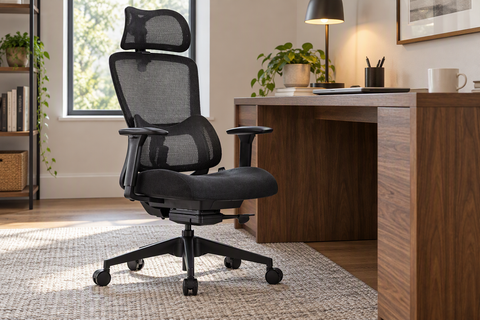
This checklist is designed to guide you beyond the surface. We will break down the process of deep cleaning your entire chair—from the mesh back and armrests to the often-forgotten casters and base. Following these steps will not only leave your chair sanitized and looking new but also ensure its ergonomic features continue to function as intended, providing you with the support you need for a healthy and productive workday.
Why a Deep Clean Matters: The Hidden Costs of a Dirty Chair
A deep clean does more than just improve aesthetics; it's a crucial maintenance task that impacts your health and protects your investment. A chair that is not properly cared for can degrade in both function and safety.
Health, Hygiene, and Musculoskeletal Support
Your chair's surfaces are a magnet for environmental and biological contaminants. Dust, pollen, and pet dander can trigger allergies, while spilled drinks and food particles can cultivate bacteria and mold. According to occupational health authorities like the U.S. Occupational Safety and Health Administration (OSHA), a clean and well-maintained workstation is a foundational component of a safe work environment. A buildup of grime can also affect the texture and breathability of materials, leading to discomfort during long sitting periods. More importantly, when dirt and debris jam mechanisms, the chair may no longer provide correct ergonomic support, subtly contributing to the very musculoskeletal issues it was designed to prevent.
Preserving Your Investment and Functionality
An ergonomic chair is a sophisticated piece of equipment with moving parts that require care. Dust, hair, and carpet fibers are the primary culprits in mechanical failure. I have seen countless chairs with stiff or jammed casters, simply because debris has become tightly wound around the axles. This grit acts like sandpaper, wearing down components over time. Similarly, dirt can work its way into the tracks of adjustable armrests and the tilt mechanism, making them difficult to operate. A deep clean removes these abrasive particles, ensuring smooth operation and extending the functional lifespan of your chair, safeguarding its ergonomic benefits for years to come.
Debunking a Common Misconception: "A Quick Wipe is Enough"
A common myth is that a simple surface wipe-down is sufficient for office chair maintenance. While helpful for daily tidiness, it does little to address the core issues. Sweat and body oils can penetrate mesh and fabric, leading to persistent odors and discoloration that can't be wiped away. Crumbs and dust fall into crevices and mechanisms, accumulating out of sight. A technician-level approach involves periodic disassembly and targeted cleaning to address these hidden problem areas. Without this deeper attention, you are only cleaning what you can see, while the chair's internal workings and deeper fibers continue to collect performance-degrading grime.
Preparation and Safety First
Before you begin, gathering the right tools and understanding your chair's materials are critical for a safe and effective cleaning session. Rushing in with the wrong supplies can cause irreversible damage.
Your Essential Cleaning Toolkit
Having these items on hand will streamline the process and deliver professional-level results. Always opt for the mildest cleaning solution possible.
- Vacuum Cleaner: With a soft brush and crevice tool attachment.
- Microfiber Cloths: At least three—one for washing, one for rinsing, and one for drying.
- pH-Neutral Soap: A mild dish soap is a good option. Avoid harsh detergents.
- Warm Water Bucket: For creating your cleaning solution.
- 70% Isopropyl Alcohol: For disinfecting hard, non-porous surfaces. Use sparingly.
- Silicone-Based Lubricant: For lubricating caster axles after cleaning.
- Scissors or a Seam Ripper: For cutting away hair and fibers from caster wheels.
- Optional: Leather conditioner (for genuine leather), fabric spot cleaner.
Know Your Materials: Mesh, Leather, and Fabric
The cleaning method depends entirely on your chair's upholstery. Using a leather cleaner on mesh, for example, would be ineffective and leave a greasy residue. For a detailed breakdown of material properties, our Ultimate Guide to Ergonomic Chair Materials is an excellent resource. Before starting, confirm what you're working with:
- Mesh: An open-weave synthetic fabric prized for its breathability.
- PU Leather: A polyurethane-coated fabric that mimics the look of genuine leather.
- Genuine Leather: A natural material that requires specific conditioning to prevent drying and cracking.
- Fabric: Traditional woven upholstery.
Safety Precautions: Protect Your Chair and Yourself
Safety should always be the priority. A common mistake is using household cleaners containing bleach or ammonia, which can strip protective finishes and discolor materials. Always perform a spot test with any cleaning solution on a small, hidden area (like the underside of the seat) to ensure it doesn’t cause damage.
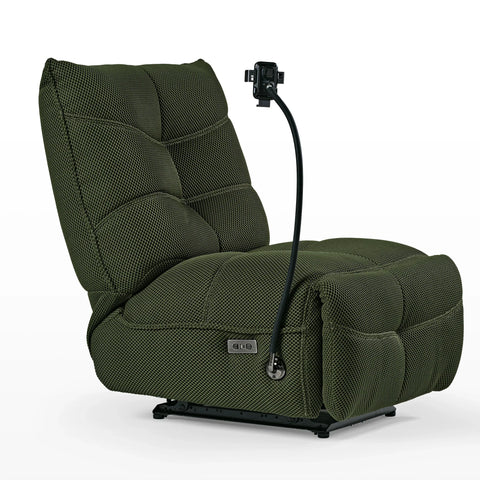
Crucially, if your chair has any electrical components, such as for heating or massage functions, you must unplug it from the power source before starting. As outlined in safety standards like UL 962, which governs household and commercial furnishings, preventing liquid ingress into electrical housings is critical to avoid short circuits or damage. Never attempt to remove covers on motorized parts unless specified in the user manual.
The Deep-Cleaning Checklist: A Step-by-Step Guide
Follow these steps systematically to ensure every part of your chair is addressed, restoring it to peak condition.

Step 1: Initial Disassembly
For a true deep clean, you need access. Start by turning the chair upside down. Most office chair casters can be pulled straight out from the base with a firm tug. If they are stiff, gently wiggling them back and forth can help. If your arm pads are removable (often held by a few screws), taking them off allows for more thorough cleaning of both the pad and the armrest structure underneath.
Step 2: The Dry Pass - Vacuum Everything
Before introducing any moisture, remove all loose debris. Using your vacuum’s soft brush attachment, thoroughly go over every surface. Pay special attention to the seat cushion, backrest, and the crevices where the back and seat meet. Use the crevice tool to get into tight corners and along seams. This step is vital as it prevents you from turning loose dust and dirt into a muddy paste when you start wet cleaning.
Step 3: Wet Cleaning by Material
Prepare your cleaning solution: a teaspoon of pH-neutral dish soap in a quart of lukewarm water is a proven, gentle formula.
- For Mesh: Dip a microfiber cloth in the solution, wring it out until it is just damp, and gently wipe down the mesh. Do not oversaturate the material. Over-wetting mesh can lead to moisture retention, which encourages mildew and odors. Wipe again with a separate cloth dampened with plain water to "rinse," and then blot with a dry cloth.
- For PU and Genuine Leather: Use the same damp-wringing technique. The goal is to lift dirt without soaking the material. Immediately follow up with a dry microfiber cloth to buff the surface, preventing water spots. After cleaning and drying genuine leather, it’s a good practice to apply a dedicated leather conditioner to restore moisture and flexibility.
- For Fabric: Fabric upholstery is the most absorbent, so use as little water as possible. For general cleaning, the damp-cloth method works. For specific stains, use a dedicated fabric spot cleaner, following its instructions carefully.
Step 4: Servicing the Casters
This is the step that makes the biggest difference in your chair’s mobility. Take the casters you removed and use scissors or a seam ripper to carefully cut and pull away any tangled hair and fibers from the axles. Once the debris is gone, soak the plastic wheels in your warm, soapy water solution for about 15-20 minutes. Use a cloth to wipe away any remaining grime. After rinsing and thoroughly drying the casters, apply a small amount of silicone-based lubricant to the metal axle and pivot point. This will ensure they roll and swivel smoothly and quietly.

Step 5: Cleaning the Frame, Base, and Armrests
Wipe down all hard surfaces—the five-star base, the armrest structures, the gas lift cylinder, and any levers—with your damp cloth. For disinfecting rigid plastic or metal parts, you can sparingly use a cloth lightly dampened with 70% isopropyl alcohol, but avoid contact with upholstery. Dry all parts immediately with a clean cloth to prevent spotting or rust.
Step 6: Drying and Reassembly
Patience is key here. Allow all cleaned components to air-dry completely in a warm, well-ventilated area for at least 4 to 6 hours. Leather may require longer. Do not use a hairdryer or place parts in direct sunlight, as intense heat can warp plastic and damage leather or mesh. Once everything is bone-dry, reattach the arm pads and pop the casters back into the base. Finish by tightening any accessible screws or fasteners on the chair, as they can loosen over time. A periodic check ensures that the chair remains structurally sound, a key aspect of maintaining proper ergonomic alignment as advised by guides on setting up your ergonomic chair for maximum comfort.
Your Long-Term Maintenance Schedule
Deep cleaning is an intensive task. To make it easier and more effective, integrate it into a regular maintenance schedule. This proactive approach prevents heavy buildup and keeps your chair in excellent condition.
| Frequency | Task | Purpose |
|---|---|---|
| Weekly | Surface Wipe-Down | Removes fresh dust and minor spills. Use a dry or lightly damp microfiber cloth. |
| Monthly | Vacuum and Spot Clean | Removes accumulated crumbs, hair, and dust from crevices and upholstery. |
| Quarterly | Deep Clean & Inspection | Perform the full deep-cleaning checklist. Tighten all fasteners and inspect mechanisms. |
| Annually | Component Health Check | Inspect casters and arm pads for signs of significant wear. Check the gas lift for smooth operation. |
| Every 2-4 Years | Replace Worn Parts | Depending on use, replace casters, arm pads, or foam cushions that have become worn or compressed. |
Wrapping Up: Protecting Your Well-being and Investment
Deep cleaning your office chair is not just about hygiene—it's about maintaining the integrity of a tool designed for your well-being. By regularly removing the dirt, debris, and grime that accumulate, you are not only creating a healthier workspace but also ensuring that its critical ergonomic features function correctly. A clean chair with smooth-rolling casters, responsive adjustments, and breathable fabric is one that can properly support your posture and comfort.
By following this checklist and adopting a consistent maintenance schedule, you transform a simple cleaning chore into a valuable practice. You extend the life of your chair, protect your investment, and, most importantly, ensure it continues to be a reliable partner in your pursuit of a comfortable and productive workday.
Disclaimer: This article is for informational purposes only and does not constitute professional maintenance advice. For chairs with electrical components or complex mechanisms, always consult the manufacturer's manual before cleaning or disassembly. If you have pre-existing health conditions, such as severe allergies or musculoskeletal disorders, consult a healthcare professional for personalized ergonomic and hygiene recommendations.





Leave a comment