

By late afternoon, a familiar sensation often begins to set in for the modern professional: a dull ache in the lumbar region, a tightening in the shoulders, or perhaps a sharp pinch between the shoulder blades. Many attempt to solve this with "comfortable" furniture, often selecting chairs based on the plushness of a cushion or the aesthetic appeal of the upholstery. However, musculoskeletal health is not a product of softness; it is a result of mechanical support and postural variability.
When we view an office chair not as a piece of furniture, but as a specialized tool for mitigating the physiological risks of sedentary work, the perspective shifts. This is particularly relevant when considering a gift for a family member or a remote professional. A high-quality ergonomic intervention is a "legacy gift"—an investment that provides measurable health returns over a decade or more. Understanding why this investment matters requires a dive into the biomechanics of the human spine and the rigorous standards that govern ergonomic design.
The Physiology of the "Seated Load"
The human spine is naturally designed for movement, yet the modern work environment demands hours of static posture. When sitting, the pelvis often rotates backward, flattening the natural inward curve (lordosis) of the lumbar spine. This shift increases the pressure on the intervertebral discs, particularly at the L4-L5 level. According to research on sitting biomechanics, a slumped posture can significantly increase the load on these discs compared to a standing position or a supported "neutral" seated position.
This "static load" is a primary risk factor for Work-related Musculoskeletal Disorders (WMSDs). When muscles are held in a constant state of contraction to support a poorly positioned torso, blood circulation is restricted, leading to the accumulation of metabolic waste products and the onset of fatigue. This is why a chair that feels "soft" initially can become a source of agony after four hours; the cushion provides no mechanical assistance in maintaining the spine's structural integrity.
To combat this, professional-grade ergonomic seating is engineered to facilitate a "neutral position." This involves maintaining the natural S-curve of the spine, keeping the head balanced over the shoulders, and ensuring the feet are supported to distribute weight away from the thighs.

Engineering Standards: Beyond the Marketing Claims
To distinguish a true ergonomic tool from a standard office chair, one must look to international and industry standards. These are not mere suggestions; they are the result of extensive anthropometric research aimed at accommodating the widest possible range of the population.
The BIFMA G1-2013 Ergonomics Guideline provides a framework for dimensions that fit the 5th to 95th percentile of the population. This means a chair meeting these standards is designed to support everyone from a petite individual to a much taller professional. Key features mandated by these standards include:
- Adjustable Seat Depth: Critical for avoiding pressure on the popliteal (knee pit) area. A gap of 1–2 inches between the seat edge and the back of the knee is the "rule of thumb" for maintaining healthy circulation in the lower limbs.
- Dynamic Lumbar Support: The support must not only exist but must be adjustable in height and depth to match the user's unique spinal curvature.
- Tilt Tension and Locking: This allows the user to recline while maintaining support, which is vital for shifting the load from the spine to the chair's backrest periodically.
Furthermore, safety and durability are verified through standards like ANSI/BIFMA X5.1, which subjects chairs to rigorous weight and cycle testing. When you gift a chair that meets these benchmarks, you are gifting a device that is structurally guaranteed to perform for years, unlike consumer-grade alternatives that often lose their supportive properties within months.
The "Glass Box" Analysis: The Tall Professional Persona
To understand the tangible impact of ergonomic furniture, consider the scenario of a "Power User"—a professional standing 190cm (6'3") tall, working in a high-performance home office. Standard furniture is rarely designed for this 95th-percentile height, leading to dramatic biomechanical compromises.
Through a simulation of this user's environment, we can quantify the "mismatch" and the potential Return on Investment (ROI) of a professional ergonomic setup.
Table 1: Anthropometric Mismatch (Standard vs. Professional Setup)
| Metric | Standard Fixed Furniture | Professional Ergonomic Setup | Postural Impact |
|---|---|---|---|
| Desk Height (Seated) | 73.6 cm (29 in) | 78.5 cm (30.9 in) | 4.9 cm deficit; causes slouching and neck strain. |
| Max Seat Height | 48 cm (18.9 in) | 55 cm+ (21.7 in+) | Prevents acute knee angles and hip fatigue. |
| Lumbar Positioning | Fixed / Low | Height-Adjustable | Targeted support for the L4-L5 vertebrae. |
| Weight Capacity | 100 kg (220 lbs) | 136 kg+ (300 lbs+) | Ensures structural stability and safety. |
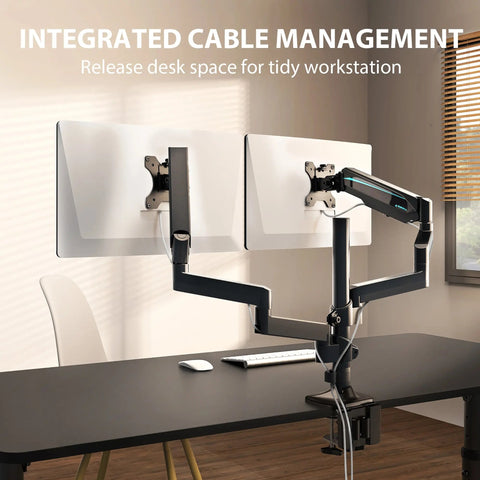
For this user, the "legacy gift" of an ergonomic chair is only half the solution. Pairing it with a high-capacity, dual-motor adjustable desk creates a system that can handle the heavy load of a modern "battlestation" (multiple monitors, liquid-cooled PC) while allowing for frequent posture changes.
The Financial and Health ROI of Ergonomics
The value of an ergonomic investment is often hidden in the costs it prevents. Musculoskeletal discomfort is a leading cause of "presenteeism"—a state where an employee is physically present but their productivity is severely hampered by pain. According to industry data, MSD-related productivity losses can cost between $3,000 and $10,000 per affected worker annually.
When a chair and desk combination is used to implement a sit-stand rhythm, the health and financial benefits become quantifiable. Applying the "20-8-2" rule recommended by the Cornell University Ergonomics Web—20 minutes of sitting, 8 minutes of standing, and 2 minutes of moving—can transform a professional's health trajectory.
Table 2: The 12-Month Performance Multiplier (Simulation)
| Benefit Category | Metric | Annual Impact |
|---|---|---|
| Metabolic Health | +189 calories burned/day | ~13.5 lbs (6.1 kg) fat loss equivalent |
| Productivity | 15% uplift in focus/output | $9,000 in value (based on $60/hr wage) |
| Absenteeism | Reduction in sick leave | 2–5 days recovered per year |
| Equipment Longevity | BIFMA-certified durability | 10+ year lifespan vs. 2-year consumer cycle |
This data illustrates that a professional-grade ergonomic setup is not an expense; it is a performance tool that "pays for itself" within months through enhanced output and reduced health risks.

Common Implementation Pitfalls and Expert Fixes
Even with the best equipment, improper setup can negate the ergonomic benefits. Patterns observed across thousands of users reveal several "friction points" that are often overlooked.
- The "Soft Cushion" Trap: A common mistake is prioritizing immediate softness. A well-designed chair should feel slightly firm initially. This firmness provides the necessary resistance to support the skeletal structure. If a chair is too soft, the pelvis sinks, causing the spine to collapse into a C-shape.
- The Tilt Tension Error: Many users leave their tilt tension too loose, causing them to "slump" backward without control, or too tight, preventing the micro-movements necessary for spinal nutrition. The tension should be adjusted so the user can recline with minimal effort but stay upright without being pushed forward.
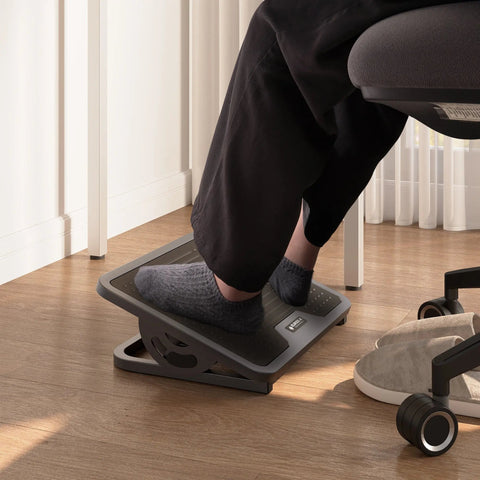
- The Footrest Necessity: For individuals on the shorter end of the height spectrum, a chair's lowest setting may still be too high to allow the feet to rest flat on the floor. According to the CCOHS guide on office ergonomics, if the feet are dangling, pressure is concentrated on the back of the thighs, which can lead to swelling and circulation issues. In these cases, a height-adjustable footrest is a non-negotiable accessory to achieve a neutral posture.
Practical Recommendations for the Ultimate Setup
If you are setting up a workstation for yourself or a loved one this season, follow this checklist derived from the OSHA Computer Workstations Evaluation:
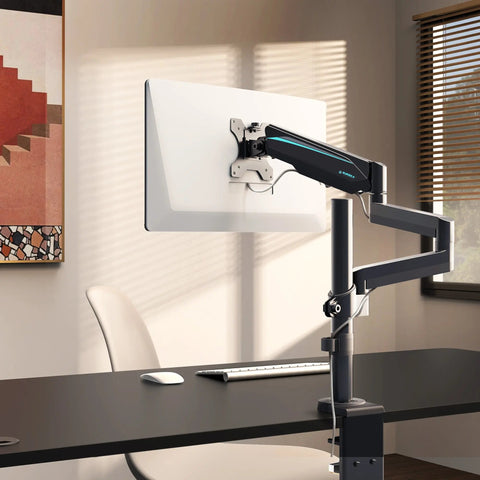
- Monitor Height: The top line of text on your screen should be at or slightly below eye level. This prevents the "forward head posture" that strains the trapezius muscles.
- Elbow Angle: Your keyboard and mouse should be at a height where your elbows are bent at roughly 90 to 100 degrees, with your wrists in a neutral, straight position.
- The "20-8-2" Rhythm: Set a timer. For every 30 minutes of work, spend 8 minutes standing and 2 minutes walking or stretching. This movement is essential for "pumping" nutrients into the spinal discs.
- Lighting and Glare: Ensure your monitor is perpendicular to windows to avoid glare, which causes unconscious postural shifts as you lean to see the screen better.
A Gift That Endures
Choosing an ergonomic chair as a gift is a profound statement of care for a family member’s long-term well-being. While gadgets and aesthetics-focused furniture may offer temporary delight, a professional-grade ergonomic tool addresses the fundamental physical challenges of the modern lifestyle.
By adhering to rigorous standards like those from BIFMA and ISO, and understanding the biomechanical needs of the body, we move away from the "disposable" culture of home office furniture. We instead embrace a legacy of health, where the "workday" no longer concludes with a tally of aches and pains, but with the energy and vitality to enjoy life outside the office.
YMYL Disclaimer: This article is for informational purposes only and does not constitute professional medical advice, diagnosis, or treatment. The ergonomic recommendations provided are based on general industry standards and may not be suitable for individuals with specific pre-existing medical conditions or chronic injuries. Always seek the advice of a qualified healthcare provider or a certified professional ergonomist before making significant changes to your workstation or physical routine, especially if you are experiencing persistent pain.
References
- BIFMA G1-2013 Ergonomics Guideline for Furniture
- CCOHS: Office Ergonomics - Sit/Stand Desk
- Cochrane: Workplace interventions for reducing sitting at work
- Cornell University Ergonomics Web — Workstation Guides
- ISO 9241-5:2024 Workstation layout & postural requirements
- OSHA eTools: Computer Workstations - Neutral Working Postures
- WHO 2020 Guidelines on Physical Activity & Sedentary Behaviour




Leave a comment