

Can a Recliner Be an Ergonomic Office Chair?
The idea of working from a recliner seems like the ultimate home office luxury. It blends comfort and productivity, but is it a genuinely viable option, or just a shortcut to back pain? The answer is nuanced. While your typical plush, sinking lounge recliner is a poor choice for focused work, a purpose-built or correctly adapted recliner can indeed become an ergonomic powerhouse. This article explores the science of ergonomic seating and provides a practical guide to transforming a recliner into a productive, comfortable workspace.
The Foundation: Why Your Posture Matters
Before assessing the recliner, it’s crucial to understand the risks of a poorly designed workspace. Prolonged static postures—whether sitting or standing—are a primary contributor to Work-Related Musculoskeletal Disorders (MSDs). According to the U.S. National Institute for Occupational Safety and Health (NIOSH), MSDs are injuries affecting muscles, nerves, tendons, and joints, often developing gradually from repetitive strain, awkward positions, and inadequate rest.
For years, I experienced persistent neck and shoulder strain that would peak by mid-afternoon. The culprit wasn't just the long hours, but a workstation that forced my body into a compromised position. The core principle of ergonomics is to achieve a "neutral posture," where joints are naturally aligned, and stress on the musculoskeletal system is minimized. As detailed in OSHA's guidelines for computer workstations, a neutral position keeps the body strong, balanced, and ready for movement.
This is where many traditional office setups—and especially lounge recliners—fail. They encourage static load and lumbar flexion (a rounded lower back), leading to discomfort and reduced blood circulation. The goal is not to remain perfectly still but to create a setup that supports natural alignment and encourages frequent, subtle shifts in posture.
Debunking the Myth: Not All Recliners Are Created Equal
A common myth is that recliners are inherently bad for productivity and posture. This is only true of recliners designed purely for passive lounging. These chairs often feature overly soft cushions that allow the pelvis to tilt backward, forcing the lumbar spine into a C-shape and offering little to no support. They are built for sinking into, not for engaging in focused tasks.
However, the conversation changes when we consider an ergonomic recliner. Unlike their lounge-focused cousins, these chairs are designed with work in mind. Here’s what sets them apart:
- Firm, Supportive Cushioning: Instead of soft padding, they use high-density foam that supports the body without allowing it to sink. This is fundamental for maintaining a neutral pelvis.
- Adjustability: Key components like the backrest angle, headrest, and armrests can be independently adjusted to fit the user’s body and task.
- Dedicated Lumbar Support: They feature a pronounced and often adjustable curve to support the natural inward curve of the lower back.
When these features are present, a recliner can offer a distinct advantage over a traditional office chair: the ability to open the hip angle beyond 90 degrees. This can significantly reduce pressure on the lumbar discs and improve blood flow, a concept explored in depth in our article on The Science of Seating: How Ergonomics Protect Your Spine.
The Ergonomist’s Guide to Recliner Workstation Setup
Transforming a recliner into a functional workspace requires a systematic approach. Simply leaning back with a laptop on your lap is a recipe for neck strain and carpal tunnel syndrome. The following steps are based on established ergonomic principles and practitioner insights to ensure you create a setup that is both comfortable and sustainable.
1. Establish a Neutral Pelvic Position
This is the most critical step. Your pelvis is the foundation of your spine. If it’s not correctly positioned, the rest of your posture will be compromised. In most recliners, the seat pan angles downward toward the back, causing your hips to sit lower than your knees. This forces your pelvis to tilt backward and your lower back to round.
The Fix: Elevate your hips by 2 to 4 inches using a firm seat wedge or a thin, dense cushion. The goal is to position your knees slightly lower than your hips, which encourages a neutral pelvic tilt and the natural S-curve of your spine. A common mistake is using a soft pillow, which will compress and fail to provide stable support.
2. Configure the Recline Angle for Your Task
One of the recliner's greatest strengths is its dynamic range of motion. However, not all angles are suitable for all tasks. According to the international standard ISO 11226:2000 on static working postures, the duration and angle of any posture must be managed to avoid injury.
Here is a simple framework for setting your recline angle:
| Work Mode | Recommended Recline Angle (Hip-Torso) | Use Case & Ergonomic Rationale |
|---|---|---|
| Focused Work | 90° – 100° | Ideal for intensive tasks like typing, coding, or data analysis. This slightly open angle maintains an upright, engaged posture while reducing spinal compression compared to a strict 90° angle. |
| Relaxed Work | 100° – 120° | Best for reading, reviewing documents, or participating in video calls. This angle further offloads the spine, promoting comfort during less keyboard-intensive activities. |
| Rest & Recharge | >120° | Use for short breaks to decompress the spine completely. Avoid working in this position, as it makes proper screen and keyboard alignment nearly impossible. |
3. Align Your Head, Screen, and Hands
Once your core posture is set, you must bring your work tools into ergonomic alignment. A mistake I often see is people trying to adapt their body to the equipment, rather than the other way around.
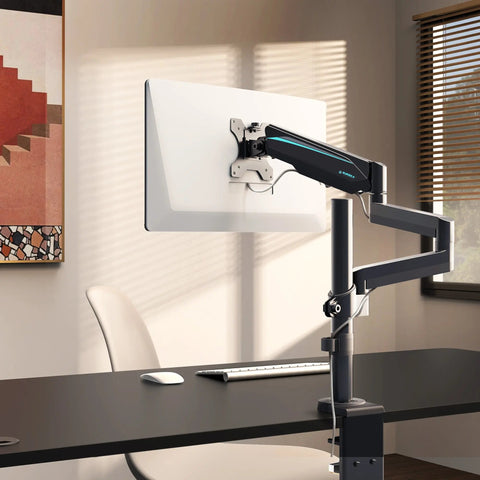
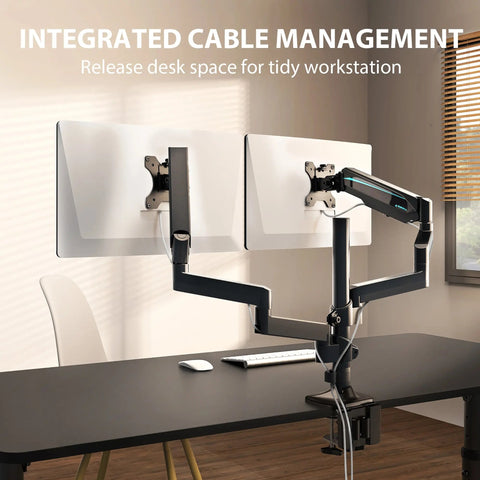
- Monitor Height and Angle: When you recline, your eye level changes. To maintain a neutral neck, the monitor must be raised and tilted. For every 10 degrees you recline, you may need to raise your monitor by 2 to 3 inches and tilt it back about 10 degrees. The goal is to keep the top third of the screen at or slightly below eye level, allowing you to look straight ahead without jutting your chin forward or bending your neck down. A dedicated monitor arm is essential for this.
- Keyboard and Mouse Position: Never rest your laptop or keyboard on your lap. This forces you to hunch forward and bend your wrists at an awkward angle. Use an adjustable laptop stand, a swing-arm keyboard tray, or a stable side table to position your input devices. Your elbows should remain comfortably at your sides, bent at an approximate 90-degree angle. A versatile side table, such as the 23" Contemporary Style Side Table, can provide a stable and accessible surface for your mouse or other essentials, reducing the need to twist or reach.

- Arm Support: Your armrests should support the weight of your arms without elevating your shoulders. Adjust them so your elbows are at a 90° (±10°) angle. If the recliner’s armrests are too wide or low, clamp-on trays can bridge the gap.
4. Support Your Lower Limbs
Proper support for your feet and legs is crucial for maintaining stability and promoting healthy blood circulation, especially when reclined. Leaving your feet dangling or unsupported can create pressure points behind the knees and strain your lower back.
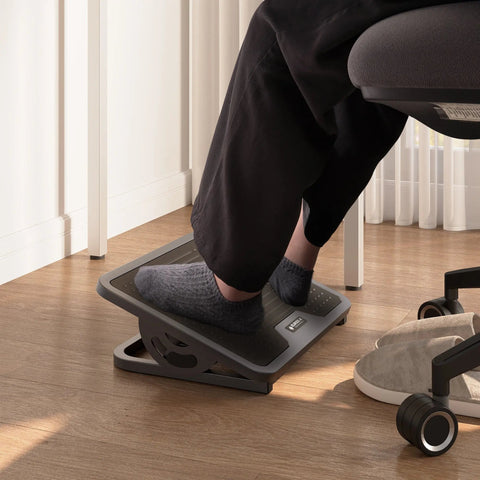
When the recliner’s built-in footrest doesn’t provide adequate support or flexibility, an adjustable footstool is an excellent solution. A product like the Footstool with Wheels allows you to maintain a comfortable angle at the ankles and knees while also making it easy to shift positions or access different parts of your workspace without twisting your torso. This mobility is key to avoiding the static postures that lead to musculoskeletal strain.

Building a Holistic Ergonomic System
An ergonomic chair—even a well-configured recliner—is only one piece of the puzzle. According to guidelines from the World Health Organization, adults should limit sedentary time and interrupt prolonged periods of static behavior. True ergonomic health comes from a dynamic system that encourages movement.
- Embrace Micro-Breaks: No single posture is ideal for an entire workday. Adopt a rhythm like Cornell University's "20-8-2" rule: sit (or recline) for 20 minutes, stand for 8 minutes, and move or stretch for 2 minutes. Set timers to remind yourself to change positions.
- Alternate Postures: Switch between different recline angles and tasks. Use the upright 90°-100° position for focused work and the more relaxed 100°-120° angle for reading or calls. Take short breaks in a fully reclined position to decompress your spine.
- Accessorize Wisely: Use accessories to solve ergonomic gaps. Lumbar rolls can enhance back support if the chair’s curve is too shallow. A rolling footstool improves lower body support and mobility. A proper side table eliminates the need to reach and twist.
Key Takeaways: Is a Recliner a Smart Choice?
A recliner can be a surprisingly effective and comfortable alternative to a traditional office chair, provided you choose the right one and set it up correctly. A standard lounge recliner is not a workspace. Its soft cushions and lack of adjustability will inevitably lead to musculoskeletal strain.
An ergonomic recliner, however, offers a unique opportunity to offload spinal pressure by opening the hip angle—a benefit you can't get from most office chairs. By focusing on a neutral pelvic position, matching the recline angle to your task, and meticulously aligning your monitor and keyboard, you can create a highly productive and pain-free home office environment.
Ergonomic Recliner Setup Checklist
- [ ] Foundation: Is your pelvis in a neutral position, with knees slightly lower than hips? Use a firm seat wedge if needed.
- [ ] Recline Angle: Is the angle set appropriately for your current task (90°-100° for focus, 100°-120° for relaxed work)?
- [ ] Lumbar Support: Does the chair’s curve support your lower back? Add a lumbar roll if the seat is too deep or the curve is insufficient.
- [ ] Screen Height: Is the top third of your monitor at or just below eye level? Have you raised and tilted it to compensate for the recline?
- [ ] Keyboard Position: Are your elbows at your sides and bent at roughly 90 degrees? Is your keyboard on a stable, adjustable surface (not your lap)?
- [ ] Arm Support: Are your forearms supported, and are your shoulders relaxed?
- [ ] Movement: Are you changing your posture every 20-40 minutes and taking short walk-and-stretch breaks?
Frequently Asked Questions (FAQ)
Can I work from a recliner all day? No. The most important principle of ergonomics is movement. No single posture, no matter how perfect, should be held for an entire workday. You should alternate between reclining, sitting upright in a traditional chair, and standing throughout the day.
What is the biggest mistake people make when working from a recliner? The most common mistake is using a soft, non-ergonomic lounge recliner and placing a laptop directly on their lap. This combination forces the spine into a harmful C-curve and strains the neck, shoulders, and wrists. Proper equipment and setup are non-negotiable.
Do I need to buy a special "ergonomic recliner"? While a purpose-built ergonomic recliner is ideal, you can adapt a quality traditional recliner if it has a firm seat and a supportive structure. The key is using accessories like seat wedges, lumbar rolls, monitor arms, and keyboard trays to create a neutral posture, as detailed in the checklist above.
Disclaimer: This article is for informational purposes only and does not constitute professional medical advice. You should consult a qualified healthcare professional or a certified ergonomist for advice tailored to your specific needs, especially if you have pre-existing health conditions.




Leave a comment