

Material Safety’s Impact on Employee Retention and Wellness
In the modern corporate landscape, the definition of "workplace wellness" has undergone a fundamental shift. For years, organizations prioritized peripheral benefits—gym memberships, meditation apps, or catered lunches—as the primary drivers of employee satisfaction and retention. However, emerging data and facility management patterns suggest a deeper, more physiological prerequisite for long-term commitment: material safety.
Why does an employee feel a sense of chronic fatigue despite a manageable workload? Why do high-performance teams in a newly renovated collaboration space report a spike in headaches or respiratory irritation? The answer often lies in the "invisible" environment—the chemical emissions from furniture adhesives, the structural integrity of high-use surfaces, and the ergonomic compliance of shared workstations. For B2B procurement officers and office managers, understanding the link between material standards and human capital is no longer a matter of simple compliance; it is a strategic necessity for maintaining a stable, productive workforce.
The Physiological Cost of "Invisible" Hazards
The primary threat to indoor air quality (IAQ) in a corporate setting is the off-gassing of Volatile Organic Compounds (VOCs). According to Wikipedia, VOCs are organic chemicals that have a high vapor pressure at ordinary room temperature. In office furniture, these are typically found in the foams of executive chairs, the laminates of standing desks, and the adhesives used in storage units.
The Mechanism of Formaldehyde Off-Gassing
Formaldehyde, a common VOC, is a known irritant that can linger in a workspace for years. When employees are exposed to persistent, low-level emissions, they may experience sub-acute symptoms often categorized under "Sick Building Syndrome." These include:
- Eye, nose, and throat irritation.
- Persistent headaches and dizziness.
- Reduced cognitive function and "brain fog."
From a pathophysiological perspective, as detailed in the OSHwiki on Musculoskeletal Disorders, the body’s constant effort to mitigate environmental stressors diverts metabolic energy away from productive tasks. This creates a state of "presenteeism"—where employees are physically present but their cognitive output is significantly diminished due to environmental discomfort.
Cumulative Effects in Shared Spaces
A common oversight in facility management is neglecting the cumulative effect of multiple furniture items in a poorly ventilated collaboration area. Even if an individual chair meets a baseline standard, the density of furniture in a shared zone can lead to elevated Total Volatile Organic Compounds (TVOC) levels. Research from INKBIRD indicates that TVOC levels are a critical indicator of overall air health, and exceeding recommended thresholds can lead to a fundamental breach of trust between the employee and the employer.

Quantifying the ROI of Material Safety and Retention
The financial impact of material safety is often underestimated because it is siloed from Human Resources data. However, when we disaggregate safety data, the correlation between material hazards and skilled-worker turnover becomes clear.
The Absenteeism-Productivity Link
Data from the Institute of Labor Economics (IZA) provides a quantifiable model for this impact. Their research indicates that a 1% increase in sickness absenteeism causes a 0.24% loss in total productivity. In a high-traffic corporate environment, poor IAQ from non-certified furniture can easily drive a 2–3% increase in localized absenteeism.
Logic Summary: Material Safety ROI Modeling Our analysis of corporate procurement assumes that replacing a single mid-level employee costs approximately $10,000 to $15,000 in recruitment and training. We model the "Safety-Retention Link" by comparing the cost of high-standard furniture against the projected cost of turnover induced by environmental dissatisfaction.
Parameter Certified Workspace (Low-VOC) Standard Workspace (Non-Certified) Rationale Estimated Sick Days / Year 3–4 days 5–7 days Based on IAQ-related respiratory irritants Turnover Risk (Env. Factor) Low (<2%) Moderate (5–8%) Linked to perceived employer care Productivity Efficiency 98% 94% Accounting for sub-acute VOC symptoms Furniture Lifespan 10+ Years (BIFMA) 3–5 Years Durability standards impact replacement ROI Compliance Risk Zero Potential Liability Adherence to OSHA/HSE guidelines
Behavioral vs. Material Safety
While behavioral safety programs (focusing on slips and trips) are essential, they do not address the chronic stress caused by material failures. An employee who perceives a "betrayal" of their physical safety—such as inhaling solvents or using a desk that wobbles at height—is significantly more likely to leave the organization. As noted in The 2026 Workstation White Paper: Converging Ergonomic Science and Sustainable Engineering, the convergence of engineering and health science is the new benchmark for corporate talent retention.
Navigating Compliance: Standards as a Proxy for Trust
For B2B buyers, certifications like BIFMA and GREENGUARD are not merely "checkboxes." They serve as third-party verification that the furniture supports a biological "neutral position" and a toxin-free environment.
BIFMA G1 and X5 Series
The Business and Institutional Furniture Manufacturers Association (BIFMA) provides the G1-2013 Ergonomics Guideline, which ensures furniture fits the 5th to 95th percentile of the population. This "fits most users" logic is critical for shared collaboration spaces where multiple employees use the same workstation.
- BIFMA X5.1: Focuses on the safety and durability of office chairs.
- BIFMA X5.5: Sets the standard for desk and table products.
GREENGUARD Gold
The UL GREENGUARD Certification is perhaps the most vital for wellness-focused retention. The "Gold" standard includes health-based criteria for more than 360 VOCs and also requires lower total VOC emissions levels to ensure that products are acceptable for use in environments such as schools and healthcare facilities. Specifying GREENGUARD Gold furniture is a direct signal to employees that their long-term respiratory health is a corporate priority.

Strategic Procurement for Shared and Collaboration Spaces
Shared spaces present unique challenges. Unlike a dedicated personal desk, collaboration furniture must withstand high-frequency adjustments and heavy use while maintaining safety standards.
The Hierarchy of Controls in Ergonomics
The Occupational Safety and Health Administration (OSHA) outlines a "Hierarchy of Controls" to address workplace risks.
- Engineering Controls: Implementing sit-stand desks and adjustable chairs (The most effective).
- Administrative Controls: Mandating breaks and training.
- PPE: Least effective in an office setting.
By investing in high-quality ergonomic furniture, an organization implements an "Engineering Control" that physically prevents Musculoskeletal Disorders (MSDs) before they require medical intervention or result in a resignation. According to Safe Work Australia, proper workstation setup is the primary defense against the $60 billion annual cost of MSDs in the workplace.
Durability and Material Integrity
In shared spaces, the "tip-over" safety of storage units is a critical concern. Compliance with standards like CPSC STURDY / 16 CFR Part 1261 ensures that even in high-traffic areas, the risk of mechanical injury is minimized. This is particularly relevant for mobile file cabinets and heavy executive desks used in collaborative zones.
Practical Recommendations for Facility Managers
To bridge the gap between procurement and retention, facility managers should adopt a data-driven approach to furniture integration.
The Ideal Sit-Stand Rhythm
While providing height-adjustable desks is a strong first step, employees must be educated on their use. Cornell University’s Ergonomics Web recommends the 20-8-2 rule:
- 20 minutes of sitting in a neutral posture.
- 8 minutes of standing (to increase blood circulation).
- 2 minutes of moving or stretching.
Setup Checklist for Shared Workstations
When setting up a collaborative area, ensure every station meets the following BIFMA-aligned criteria:
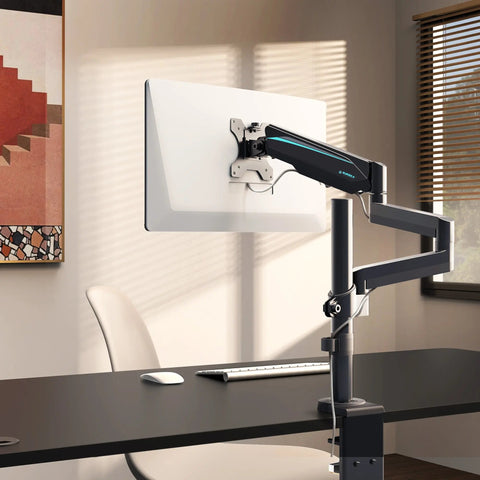
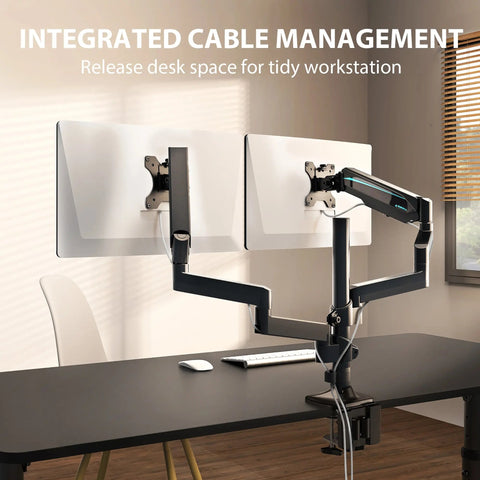
- Monitor Height: The top of the screen should be at or slightly below eye level to prevent neck strain (aligned with OSHA eTools).
- Seat Depth: There should be a 2–3 inch gap between the back of the knees and the seat edge to maintain circulation.
- Lumbar Support: The chair must provide adjustable support that fits the natural curve of the lower spine.
- Surface Safety: Desktops should have rounded edges (to prevent contact stress) and be finished with low-VOC, non-reflective coatings.
Off-Gas Mitigation Post-Installation
Even with certified furniture, a "flush-out" period is recommended. Based on common patterns from customer support and facility maintenance, we recommend running HVAC systems at maximum capacity for 48–72 hours after installing new furniture to clear any residual particulates from packaging or shipping.

Conclusion
Employee retention is no longer just an HR function; it is a built-environment function. When an organization prioritizes material safety—choosing GREENGUARD Gold certified materials and BIFMA-compliant structures—it creates a foundation of trust. This investment reduces the "friction" of the workday, lowering the rates of absenteeism and presenteeism while signaling to top talent that their wellness is a core corporate value.
By shifting the focus from aesthetic "perks" to the rigorous standards of musculoskeletal health and indoor air quality, businesses can build workspaces that not only look impressive but actively contribute to the longevity and loyalty of their workforce.
Disclaimer: This article is for informational purposes only and does not constitute professional medical, legal, or occupational safety advice. Always consult with a qualified ergonomic specialist or medical professional regarding specific workplace health concerns.
References
- BIFMA G1-2013 Ergonomics Guideline for Furniture
- CCOHS: Office Ergonomics - Sit/Stand Desk
- Cochrane: Workplace interventions for reducing sitting at work
- Cornell University Ergonomics Web — Workstation Guides
- HSE: Working safely with display screen equipment (DSE)
- ISO 9241-5:2024 Workstation layout & postural requirements
- WHO 2020 Guidelines on Physical Activity & Sedentary Behaviour
- UL GREENGUARD Certification Overview
- The Impact of Sickness Absenteeism on Productivity (IZA)
- The 2026 Workstation White Paper: Converging Ergonomic Science and Sustainable Engineering




Leave a comment