

Your Chair's Longevity: Why a Few Minutes of Monthly Maintenance Matters
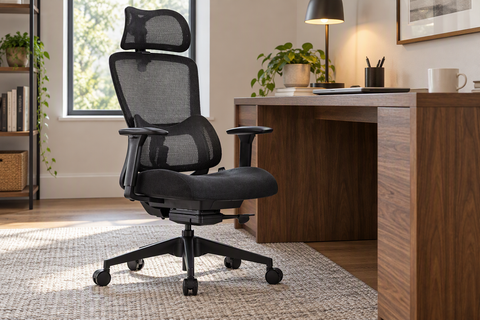
An ergonomic office chair is more than just a place to sit; it is a critical tool for productivity and long-term musculoskeletal health. Just as you would perform routine maintenance on any important piece of equipment, a monthly check-up on your chair ensures it continues to provide the support and comfort you rely on. Neglecting this simple routine can lead to premature wear, annoying squeaks, and a gradual loss of the ergonomic benefits that protect your posture.
From a practical standpoint, preventative maintenance is an investment. It extends the functional lifespan of your chair, safeguarding its value and delaying the need for costly repairs or replacements. More importantly, it ensures the chair performs as designed. A wobbly base, a sinking gas lift, or a loose armrest can subtly degrade your posture, forcing your body to compensate in ways that lead to strain and discomfort. Taking just 15-20 minutes each month to inspect and care for your chair preserves its structural integrity and its ergonomic function, helping you stay focused, comfortable, and well-supported day after day.
This guide provides a straightforward, repeatable checklist based on practitioner experience and industry best practices. By following these steps, you can prevent common problems before they start, ensuring your chair remains a reliable partner in your workspace for years to come.
The Essential Monthly Maintenance Checklist
Consistency is key to effective maintenance. We recommend setting a recurring calendar reminder to run through this checklist once a month. Performing these steps systematically will help you catch minor issues before they become major problems.
Here is a comprehensive checklist organized for efficiency. You will need a few basic items: a set of Allen keys (often included with the chair), a Phillips head screwdriver, a clean microfiber cloth, a soft brush, and potentially some specific cleaning solutions depending on your chair’s materials.
| Component | Action Item | Why It Matters | Tools Needed |
|---|---|---|---|
| Fasteners | Visual & Manual Check: Inspect all visible bolts and screws. Hand-tighten any that feel loose with a firm, quarter-turn. | Prevents wobbles, squeaks, and structural instability. Loose fasteners are the most common source of chair noise. | Allen Keys, Screwdriver |
| Casters | Clean & Inspect: Flip the chair over. Pull out each caster and remove any tangled hair, carpet fibers, or debris from the axle and wheels. | Debris impedes smooth rolling, can cause floor damage, and puts stress on the caster housing. | Soft Brush or Toothbrush |
| Base & Gas Lift | Wipe & Inspect: Wipe down the chair base and the gas lift cylinder. Check for any signs of cracking on the base or leaks from the cylinder. | Keeps components clean and allows for early detection of stress fractures or seal failure. | Microfiber Cloth |
| Upholstery (Mesh) | Gentle Cleaning: Lightly vacuum with a brush attachment. For spots, use a damp cloth with a tiny amount of mild detergent, then pat dry. | Removes dust and allergens. Prevents grime from working its way into the fabric weave. | Vacuum, Cloth, Mild Detergent |
| Upholstery (Leather) | Wipe & Condition: Wipe with a damp, soft cloth. Quarterly, apply a pH-balanced leather conditioner to prevent drying and cracking. | Maintains the material's suppleness and protective finish, preventing premature aging. | Cloth, Leather Conditioner |
| Mechanisms | Function Test: Test all adjustment levers—height, tilt, tilt lock, armrest height/angle, and lumbar support. Ensure they all engage smoothly. | Confirms that all ergonomic adjustments are working, allowing you to maintain a neutral working posture. | None |
Quick Troubleshooting Guide
| Symptom | Likely Cause(s) | Recommended First Action |
|---|---|---|
| Squeaking or Creaking | 1. Loose fasteners 2. Friction in pivot points |
1. Tighten all bolts and screws per Step 1. 2. Sparingly apply silicone lubricant to mechanism pivot points. |
| Chair Wobbles | 1. Loose fasteners at base or mechanism 2. Uneven floor surface |
1. Tighten all bolts and screws per Step 1. 2. Test on a different surface; consider a chair mat. |
| Chair Slowly Sinks | Gas lift cylinder seal failure | The gas lift needs to be replaced. (See critical safety warning below) |
| Wheels Don't Roll Smoothly | 1. Debris tangled in axles 2. Worn or damaged casters |
1. Remove and clean casters thoroughly per Step 2. 2. Inspect wheels for cracks or flat spots; replace if damaged. |

Step 1: The Fastener Inspection - Silencing Squeaks and Wobbles
This is often the single most effective step in preventing common chair problems. Over time, the micro-movements of daily use can cause bolts to loosen. A chair that squeaks when you recline or wobbles when you shift your weight is often just suffering from a few loose fasteners.
I always start at the base and work my way up. Check the bolts connecting the casters to the base (if applicable), the base to the gas lift, the mechanism to the seat pan, the backrest to the mechanism, and finally, the armrests to the seat or back. The key is to be gentle but firm. A common mistake I often see is people reaching for power tools, which can easily strip the threads. All you need is an Allen key or screwdriver. Tighten each bolt until it is snug, and then apply a final quarter-turn. This provides ample clamping force without risking damage.
Step 2: Caster and Base Care - The Foundation of Stability
Your chair’s casters travel miles every year across your office floor. They are magnets for hair, dust, and carpet fibers. When this debris gets tightly wound around the axle, the wheels can lock up, causing them to drag instead of roll. This not only makes movement difficult but can also scratch your flooring and put undue stress on the wheel housings.
Once a month, especially in homes with pets or thick carpets, take a moment to pull each caster out of the base. Use a small brush, a pair of tweezers, or even a vacuum nozzle to clear the axles. While they are off, wipe down the chair base itself. This is also a good time to inspect the casters for wear. If the plastic is cracked or the wheel no longer spins freely after cleaning, it’s time to order a replacement set. Proactively replacing a single worn caster is far cheaper than replacing the entire base if the housing gets damaged.
For lubrication, a light spray of a PTFE-based lubricant on the caster axles every few months can keep them rolling silently. Avoid heavy greases, which tend to attract and hold onto more dust and debris.
Step 3: Upholstery and Surface Cleaning
The materials on your chair are engineered for durability, but they still require care. Dust, skin oils, and spills can degrade fabrics and surfaces over time.
- Mesh: For chairs with mesh backs and seats, a monthly vacuum with a soft brush attachment is usually sufficient to remove dust and particles. If you notice a spot, address it quickly. Mix a small amount of mild, pH-neutral soap with water, apply it to a microfiber cloth, and gently dab the affected area. Avoid scrubbing aggressively. Pat the area dry with a clean cloth and let it air-dry completely. Avoid using harsh chemical cleaners, as they can weaken the synthetic fibers.
- Leather and NAPA: These premium materials are durable but require moisture to stay supple. Wipe them down weekly with a slightly damp cloth to remove dust. Every quarter, it is critical to apply a pH-balanced leather conditioner. This replenishes the natural oils in the hide, preventing it from drying out, cracking, and losing its color.
- Foam and Fabric Cushions: Spot-clean these materials using the same method as mesh. The most important rule is to avoid saturating the foam with water, as it can be very slow to dry and may lead to mildew. Always use a cloth that is damp, not soaking wet.
Step 4: Functional Mechanism Check
An ergonomic chair's value comes from its adjustability. If a feature isn’t working, you can't use it to achieve a healthy posture. This step is a quick functional check to ensure everything is in working order.
Go through every lever and knob on your chair. Adjust the seat height up and down. Engage and disengage the tilt lock. If you have a synchro-tilt mechanism, recline back and feel the motion. Adjust your armrests through their full range of motion—height, width, and pivot. Slide your lumbar support up and down. Each adjustment should move smoothly and lock securely into place. If a lever feels stiff or a mechanism fails to engage, investigate for obstructions or consult your user manual. This practice also helps you stay familiar with your chair’s features, encouraging you to make micro-adjustments throughout the day for better dynamic sitting.

Debunking a Common Myth: "Squeaking Means My Chair Is Broken"
A widespread misconception is that a squeaky or creaky chair is a sign of a critical failure or poor quality. While persistent, loud noises can indicate a problem, the vast majority of sounds are benign and easily fixed. In reality, most squeaks come from simple loose fasteners, not a faulty mechanism.
Before assuming the worst, perform the fastener check described above. In most cases, simply hand-tightening the bolts that connect the seat mechanism to the seat pan will resolve the noise. Another common source is the point where the gas lift cylinder inserts into the chair mechanism. Applying a very small amount of low-viscosity silicone grease at this contact point can often eliminate creaks that occur when you swivel.
True mechanism failures are uncommon in chairs that meet industry durability standards. As outlined in the ANSI/BIFMA X5.1 standard, office chairs undergo rigorous testing for safety, durability, and structural adequacy. These standards simulate years of heavy use through specific procedures like the "Tilt Mechanism Test" (cycling the recline function hundreds of thousands of times under load) and the "Drop Test" (a weighted drop onto the seat to simulate impact). Therefore, a chair that meets this standard has been verified for strength and longevity.
Advanced Care and Proactive Part Replacement
For chairs in high-use or shared environments, or for owners who want to maximize their chair's lifespan, a little advanced care goes a long way. This involves strategic lubrication and knowing when to replace wearable components.
Strategic Lubrication
Aside from the caster axles, the primary mechanisms of a chair may benefit from lubrication every 6-12 months. The key is to be precise and use the right product. Use a low-viscosity silicone grease or spray and apply it sparingly to metal-on-metal pivot points within the tilt mechanism. Do not spray lubricant indiscriminately. Heavy greases should be avoided as they attract and hold dust, which can gum up the mechanism and worsen performance over time. A little goes a long way.
Documenting Your Maintenance
For warranty purposes and your own records, keeping a simple maintenance log is a great practice. When you perform your monthly check, make a quick note of the date and any actions you took. I recommend taking a photo of your chair’s serial number sticker (usually found on the underside of the seat) and storing it with your log. If you ever need to file a warranty claim, having a record of regular maintenance and the serial number readily available can make the process much smoother. Keep any small parts or extra bolts that came with the chair in a labeled bag.
Knowing When to Replace Parts
Even with diligent maintenance, some components are considered "wearable" and have a finite lifespan, especially under heavy use (40+ hours a week).
- Casters: Caster lifespan depends heavily on use and flooring type. For example, a chair used 8+ hours a day on rough carpet might need new casters in 2-3 years, while the same chair used on a smooth protective mat may have casters that last for many years. Rather than relying on a fixed timeline, perform a monthly visual inspection for cracks or flat spots. Proactively replacing a single worn caster is far cheaper than replacing the entire base if the housing gets damaged.
- Gas Lift Cylinder: The gas lift is a pressurized cylinder that allows for height adjustment. While designed to last for many years, the seals can eventually wear out, causing the chair to slowly sink. This is a clear sign that the cylinder needs to be replaced. While these are often standardized parts, replacement requires significant caution.
CRITICAL SAFETY WARNING: Gas Lift Cylinder Replacement Replacing a gas lift cylinder can be hazardous if done incorrectly. The cylinder is under high pressure and can cause serious injury if it releases unexpectedly.
- Safety Gear is Essential: Always wear protective gloves and safety glasses.
- Work Safely: Consider making this a two-person job. Separating the cylinder from the base often requires significant force.
- Never Puncture or Heat: Do not attempt to puncture, cut, or apply heat to the cylinder.
- Follow Instructions: Carefully follow the manufacturer’s replacement guide or a trusted video tutorial from a reputable source.
- Proper Disposal: Dispose of the old cylinder according to your local regulations for pressurized or hazardous components.
Proactively addressing these components maintains the safety and ergonomic integrity of your chair, aligning with the principles of workplace safety outlined by organizations like the Occupational Safety and Health Administration (OSHA).
Key Takeaways
Your ergonomic chair is a high-performance piece of equipment designed to support your health and focus. Like any tool, it performs best when given consistent, simple care. By integrating this monthly maintenance checklist into your routine, you are not just cleaning your chair—you are actively preserving its ergonomic function, extending its life, and protecting your investment.
To recap the most critical actions:
- Tighten fasteners monthly to prevent wobbles and squeaks.
- Clean casters regularly to ensure smooth movement and protect your floors.
- Test all adjustment functions to keep your chair tailored to your posture.
- Clean upholstery according to its material to maintain its appearance and durability.
These simple habits ensure your chair remains a source of comfort and support, not a source of distraction and discomfort.
Disclaimer: This article is for informational purposes only and does not constitute professional medical advice. The maintenance tips provided are general recommendations. Always consult your chair’s specific user manual and warranty information before performing maintenance. If you have a pre-existing musculoskeletal condition, please consult with a qualified medical professional or certified ergonomist for personalized advice on your workstation setup.
References
- ANSI/BIFMA X5.1 General-Purpose Office Chairs: https://www.micomlab.com/micom-testing/bifma-x5-1/
- OSHA eTools: Computer Workstations - Neutral Working Postures: https://www.osha.gov/etools/computer-workstations/positions
- OSHA Ergonomics - Identify Problems: https://www.osha.gov/ergonomics/identify-problems
- Manufacturer-Specific Guidelines: Always check your chair manufacturer's website for detailed user manuals, warranty information, and specific BIFMA compliance documentation.





Leave a comment