

Big Battlestation, Small Room: A Gaming Desk Guide
Don't let a small room stop you from building an epic gaming setup. Discover smart desk choices, like L-shaped designs, and clever organization tips to maximize your space without sacrificing performance or style.
Let’s be real. You’ve seen the sprawling, multi-monitor setups online and dreamed of your own command center. But then you look at the corner of your bedroom or the small nook you’ve carved out for a home office, and it feels impossible. The good news? It’s not. Building a killer battlestation in a compact space isn’t about compromise; it’s about being smart.
I’ve been there, trying to cram a full-sized rig into a space that felt more like a closet. The frustration of knocking over a drink because your mousepad hangs off the edge, or the neck pain from a monitor that’s just a bit too close, is real. This guide is born from that experience. We’ll dive into practical, game-changing strategies to help you choose the right desk, nail your ergonomics, and conquer cable chaos, turning your limited space into a performance-focused gaming haven.
Choosing Your Desk: The Foundation of Your Setup
The desk is the literal and figurative foundation of your battlestation. Get this choice right, and everything else falls into place. In a small room, every inch counts, but that doesn’t mean you have to settle for something flimsy or cramped.
Size Matters: Measure for Success
This is the step everyone knows they should do, but many rush past in excitement. A mistake I’ve seen countless times is buying a desk based on vibes, only to find it overpowers the room or, worse, doesn’t physically fit. Measure twice, buy once.
- Width: For most small rooms, a desk width of 60 inches or less is the sweet spot. This provides enough surface area for a monitor (or even two) and peripherals without dominating the entire wall.
- Depth: Look for a desktop depth between 23 and 27 inches. This range is the game-changer for small spaces. It gives you enough room to push your monitor back to a comfortable viewing distance, as recommended by ergonomics experts, while still leaving ample space for your keyboard and mouse without feeling like you’re reaching across a giant table.
- Clearance: Always leave at least 3-6 inches of clearance around your PC tower, especially if it’s in an enclosed bay. Proper airflow is critical to prevent your high-performance components from thermal throttling right when you’re about to clutch a win.
Desk Designs for Compact Spaces
Not all desks are created equal, especially when floor space is at a premium. Certain designs are purpose-built to maximize utility.
- L-Shaped Desks: These are the undisputed champions of corner spaces. An L-shaped desk gives you two distinct surface areas—one for your primary gaming setup and a secondary wing for work, streaming gear, or just extra breathing room. During intense FPS sessions, that wing section gives you perfect arm support, a small detail that makes a huge difference in comfort and stability.
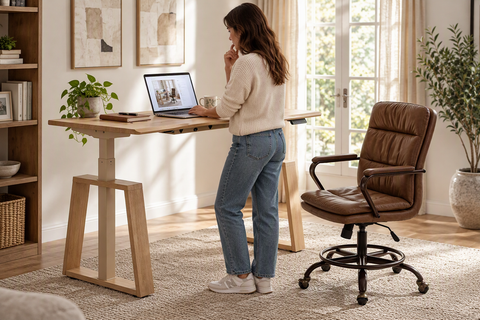
- Compact Standing Desks: The ability to switch between sitting and standing is a massive win for health and focus. A recent systematic review published by Cochrane found that sit-stand desks can significantly reduce sitting time. For gamers, this means less fatigue during marathon sessions and better posture. Many standing desks now come in smaller footprints perfect for tight spaces.
- Glass Desks: For a room to feel bigger, visual lightness is key. A glass desk creates an illusion of openness because you can see the floor through it. A great example is the GTG-G55, Glass Desktop Gaming Standing Desk (55"x23"), which combines the ergonomic benefits of a sit-stand desk with a sleek, modern aesthetic. The tempered glass is durable, but a common pitfall is mouse tracking issues. The fix is simple and actually enhances the look: use a full-surface mousepad. It prevents micro-slips and protects the finish, giving you a consistent and massive area for mouse movement.

Stability is Non-Negotiable: The Wobble Test
There is nothing worse than your entire desk shaking when you flick your mouse. For gamers, stability is paramount. A wobbly desk can lead to distracting monitor shake and even impact your aim. The secret to a rock-solid setup is build quality and load capacity.
As a rule of thumb, calculate the total weight of your monitors, PC, arms, and peripherals, then choose a desk with a rated load capacity at least 25% higher. This extra headroom is your anti-wobble insurance. For standing desks, look for models with dual motors. They generally offer smoother, more stable adjustments and better weight distribution compared to single-motor options.
Ergonomics for Marathon Gaming Sessions
Long gaming sessions shouldn’t leave you with a sore back, neck, or wrists. Proper ergonomics isn’t just about comfort; it’s about performance and long-term health. Setting up your workstation correctly can reduce strain and keep you focused on the game.
Ergonomic Setup Checklist
A common mistake is adjusting the desk height first, which can force you into an awkward posture. Always start with your chair. According to OSHA's guidelines on neutral working postures, achieving a neutral body position is the primary goal. Use this checklist to dial in your setup:
- [ ] Feet Flat: Adjust your chair height so your feet are flat on the floor and your knees are at roughly a 90-degree angle. If your feet dangle, use a footrest.
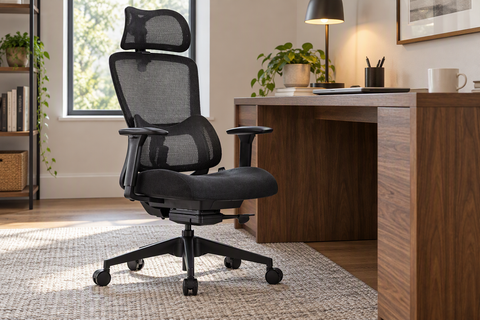
- [ ] Chair Position: Sit back in your chair so your lower back is supported. The backrest should support the natural curve of your spine.
- [ ] Desk Height: With your arms relaxed at your sides, bring the desk to a height where your elbows are at a 90-degree angle when your hands are on the keyboard. Your wrists should be straight, not angled up or down.
- [ ] Monitor Placement: The Canadian Centre for Occupational Health and Safety (CCOHS) advises that the top of your screen should be at or just below eye level. You shouldn’t have to tilt your head up or down to see. The monitor should also be about an arm's length away.
The Sit-Stand Rhythm: Debunking the "Standing All Day" Myth
There's a common misconception that if sitting is bad, you should stand all day. In reality, prolonged static standing comes with its own set of issues, like lower limb fatigue and back discomfort, as noted by workplace safety experts at OSHwiki. The key is movement and variation.
Instead of forcing yourself to stand for hours, adopt a dynamic rhythm. A popular method is the "20-8-2" rule recommended by Cornell University's Ergonomics Web: for every 30 minutes, sit for 20, stand for 8, and move around for 2. For those new to standing, this can be tiring. Start slow and build up your endurance.
Sample Sit-Stand Starter Schedule
| Week | Standing Interval | Sitting Interval | Goal |
|---|---|---|---|
| 1 | 15 minutes | 45 minutes | Get accustomed to standing. Focus on posture. |
| 2 | 20 minutes | 40 minutes | Increase standing duration. Notice energy levels. |
| 3 | 25 minutes | 35 minutes | Approach a balanced sit-stand ratio. |
| 4 | 30 minutes | 30 minutes | Maintain a dynamic 1:1 rhythm throughout the day. |
Maximizing Vertical Space
In a small room, the best way to create more space is to go up. Getting your monitors off the desk surface is a game-changer. It frees up an incredible amount of real estate for your keyboard, mouse, and other gear. While monitor arms are a great option, a simpler solution is a monitor riser. The Carbon Fiber Dual Monitor Stand, for example, elevates your screens to an ergonomic height while creating a new layer of storage underneath for your keyboard, notebooks, or other accessories. It’s a simple hack that instantly declutters your desktop.

Master-Level Cable Management and Organization
A mess of cables can make even the most premium setup look chaotic. In a small space, that chaos feels ten times worse. Taming the cable octopus is essential for a clean, functional, and professional-looking battlestation.
The CPU Conundrum in a Standing Setup
If you have a sit-stand desk, you’ve likely faced this problem: you press the button to raise your desk, and suddenly all your peripheral cables go taut, threatening to pull your expensive gear crashing down. Placing the PC tower on the floor is a recipe for disaster. The solution is to make your CPU move with your desk. A hanging under-desk CPU holder is one option. An even more flexible choice, especially if you need to access your ports frequently, is a mobile cart. A product like the Mobile Height Adjustable CPU Cart keeps your PC off the floor and glides with you, ensuring your cables never get snagged. It’s a small investment that solves one of the biggest headaches of a standing desk setup.

Taming the Cable Octopus
With the CPU handled, it’s time to tackle the rest of the wires. The goal is to bundle and hide them.
- Under-Desk Trays: A shallow cable tray mounted under the desk is your best friend. It’s deep enough to hide power adapters and bundle excess cable slack, which is crucial for minimizing noise and preventing snags when raising or lowering a sit-stand desk.
- Magnetic Cable Ties: Forget disposable zip ties. Reusable magnetic or velcro ties let you easily add or remove cables as you upgrade your gear.
- Cable Sleeves/Raceways: For bundles of cables running from your desk to the wall, a fabric sleeve or an adhesive raceway creates one clean, organized line instead of a tangled mess.
Key Takeaways: Your Small Space Battlestation Awaits
Building a top-tier gaming setup in a small room is a challenge, but it's one you can absolutely win. It all comes down to smart planning and choosing the right gear for your space.
Remember the core principles: measure your space meticulously before buying anything, choose a desk designed for compactness like an L-shaped or small-footprint standing model, and never compromise on stability. Dial in your ergonomics by setting up your chair first, and embrace a dynamic sit-stand rhythm rather than just standing all day. Finally, conquer the clutter by using vertical space and implementing a clean cable management system.
Your space limitations don’t define your setup’s potential. With these strategies, you can create a comfortable, high-performance battlestation that you’ll be proud to show off.
Frequently Asked Questions (FAQ)
How wide should a gaming desk be for a small room?
A gaming desk width of 60 inches or less is generally ideal for a small room. This provides ample space for your gaming essentials without overwhelming the room. Always measure your available space to be sure.
Is a standing desk worth it for gaming?
Yes. A standing desk allows you to change postures, which can reduce the fatigue and discomfort associated with long hours of sitting. By breaking up sedentary time, you can improve focus and overall well-being during marathon gaming sessions.
How do I stop my gaming desk from wobbling?
First, ensure all screws are tightened. Second, choose a desk with a high load capacity—ideally 25% more than the weight of your equipment. Desks with sturdy steel frames and, in the case of standing desks, dual motors, tend to offer the best stability.
Are glass desks good for gaming?
They can be excellent. A glass desk adds a modern aesthetic and can make a small room feel more open. The main consideration is to use a large, full-surface mousepad to ensure perfect mouse tracking and to protect the glass from scratches.
Disclaimer: This article is for informational purposes only and does not constitute professional medical advice. The ergonomic suggestions provided are based on general guidelines. If you have pre-existing health conditions, such as chronic back pain, please consult with a qualified physician or physiotherapist before making significant changes to your workstation or daily routine.




Leave a comment