

Synchro-Tilt vs. Center-Tilt: Which Relieves More Spinal Stress?
The Bottom Line: For most professionals, a synchro-tilt mechanism (2:1 ratio) is superior to center-tilt because it maintains the spine's natural curve (lumbar lordosis) during recline, whereas center-tilt can lift the feet and flatten the lower back.
Why does lower back pain often intensify in the late afternoon, even for those seated in high-end executive chairs? Many professionals assume that a plush, leather-bound seat is a primary defense against the physical toll of an eight-hour workday. However, the external aesthetic of a chair frequently masks the mechanical limitations of its internal tilting mechanism. While a chair may look "executive," its ability to support the spine during movement—or lack thereof—is what determines long-term musculoskeletal health.
The discomfort experienced by many office workers is rarely the result of a single "bad" posture. Instead, it is often the cumulative effect of static loading and improper spinal alignment during recline. When choosing an ergonomic solution, the primary technical debate centers on two distinct mechanical designs: Center-Tilt and Synchro-Tilt. Understanding how these mechanisms interact with human physiology is essential for anyone seeking to mitigate Repetitive Strain Injury (RSI) and promote spinal decompression.
The Physiology of Seated Stress: Understanding the Musculoskeletal Risk
To understand why tilting mechanisms matter, we must first examine the physiological principles of the "Neutral Position." In a standing position, the spine maintains a natural S-curve, known as lumbar lordosis. When we sit, the pelvis often rotates backward, flattening this curve and increasing the internal pressure on the intervertebral discs.
According to the U.S. National Institute for Occupational Safety and Health (NIOSH), excessive force and poor posture are primary risk factors for Musculoskeletal Disorders (MSDs). In a seated environment, significant stress occurs at the L4-L5 and L5-S1 vertebrae. Static sitting for extended periods restricts blood circulation and can cause the muscles in the lower back to remain in a state of constant, low-level contraction. This "static load" is a frequent contributor to the dull ache that characterizes the professional workday.
The ISO 11226:2000 standard for evaluating static working postures emphasizes that the duration and angle of a posture are critical to health. If a chair does not allow for dynamic movement or fails to maintain the lumbar curve during recline, the user is often forced into a state of "postural rigidity," which can accelerate tissue fatigue.
Center-Tilt: The Traditional "Rocking" Mechanism
Center-tilt, often found in traditional executive models, is a basic mechanical design where the pivot point is located directly under the center of the seat pan. When the user leans back, the entire chair—both the backrest and the seat—tilts as a single unit.
While this provides a familiar "rocking chair" sensation, it introduces several ergonomic complications for the professional user:
- The "Leg Lift" Effect: Because the seat and back move at a 1:1 ratio, the front edge of the seat pan rises as the user reclines. This can lift the user's feet off the floor, violating a core principle of the Canadian Centre for Occupational Health and Safety (CCOHS) guidelines, which state that feet should remain flat on the floor to ensure stable weight distribution.
- Increased Popliteal Pressure: As the front of the seat rises, it can press against the underside of the thighs (the popliteal area). This pressure can restrict blood circulation to the lower limbs, potentially leading to numbness over time.
- Loss of Lumbar Contact: In a 1:1 tilt, the relationship between the lumbar support and the lower back remains static, but the user's body naturally stretches as they lean. This often results in a "gap" where the lower back loses contact with the chair's support system.
Synchro-Tilt: Engineering for Spinal Decompression
Synchro-tilt mechanisms represent a more sophisticated approach to ergonomic engineering. In this design, the backrest and the seat pan move independently at a fixed ratio—typically 2:1. This means for every two degrees the backrest reclines, the seat pan only tilts one degree.
This specific ratio is designed to mimic the natural biomechanics of the human body. As the user leans back, the "open" hip angle increases, which is critical for reducing spinal stress.
Technical Heuristic: The 2:1 Mechanism Our analysis of the synchro-tilt mechanism assumes a standard 2:1 ratio where an 8-degree backrest recline results in a 4-degree seat pan tilt.
- Practical Rule: For every 10° of recline, the seat should only rise ~5° to maintain foot-to-floor contact.
- Verification: Users can verify this by reclining while observing if their knees rise significantly above their hip line.
Research published in PubMed regarding lumbar spine curvature indicates that a synchronized mechanism helps maintain an evenly distributed lumbar lordosis. By allowing the seat to tilt slightly while the backrest reclines further, the chair helps keep the pelvis in a more neutral position, preventing the "slumping" that often occurs in fixed-angle chairs.

The Case for the "Open" Hip Angle
One of the most significant advantages of synchro-tilt is its ability to facilitate an open hip angle of approximately 110 to 120 degrees. Clinical observations and workplace assessments suggest that this angle is generally superior to the traditional 90-degree posture for long-duration tasks.
Based on internal biomechanical modeling and general ergonomic principles, maintaining an open hip angle can help reduce the compressive load on the L4-L5 and L5-S1 discs by an estimated 20% to 30% compared to a rigid 90-degree seated posture. This is because the wider angle encourages the pelvis to tilt forward slightly, preserving the natural inward curve of the lower back. This alignment is a cornerstone of the 2026 Workstation White Paper (Brand-provided data), which argues that dynamic support is essential for executive wellness.
Heuristic Model: Spinal Stress Reduction Comparison
The table below represents a scenario model based on standard ergonomic heuristics and biomechanical principles. It is intended for illustrative purposes rather than as clinical data.
| Parameter | 90° Fixed Posture | Center-Tilt (1:1) | Synchro-Tilt (2:1) | Rationale |
|---|---|---|---|---|
| Lumbar Disc Pressure | High (100% baseline) | Moderate (~85%) | Low (~70-75%) | Increased recline angle reduces gravity-induced compression. |
| Hip Angle | 90° | 90° (Static) | 110° - 120° (Dynamic) | Synchro-tilt opens the torso-to-thigh angle. |
| Foot Stability | High | Low (Feet may lift) | High | Seat pan tilt is minimized to keep feet grounded. |
| Pelvic Rotation | Posterior (Flat back) | Variable | Neutral/Anterior | Synchro-tilt encourages better pelvic alignment. |
| Blood Circulation | Standard | Potential Restriction | Optimized | Minimized popliteal pressure improves venous return. |
Table Note: These values are heuristic estimates based on a standard 75kg user in a neutral recline position; individual results vary based on body mass and chair configuration.
Beyond the Mechanism: The Role of Tilt Tension and Locking
A common mistake in executive offices is prioritizing a deep recline angle over dynamic support. High-quality chairs often feature a synchro-tilt mechanism paired with adjustable tilt tension. This allows the user to customize the resistance of the recline based on their body weight.
The goal is to achieve a "float" sensation. When the tension is set correctly, the chair should support the user's weight in any position without requiring them to "push" back or feel like they are "falling" back. This dynamic equilibrium allows for micro-movements throughout the day, which are beneficial for nutrient exchange in the spinal discs.
As noted in the OSHA eTools for Computer Workstations, adjustability is the hallmark of a truly ergonomic chair. A chair that meets the ANSI/BIFMA X5.1 safety and durability standards ensures that these mechanical components can withstand the 3,000,000 cycles of motion required for long-term professional use.

Practical Recommendations for Executive Setup
Choosing the right mechanism is only the first step. To fully realize the benefits of a synchro-tilt executive chair, the workstation must be configured correctly.
1. The Ideal Sit-Stand Rhythm
While a high-performance chair reduces stress, the World Health Organization (WHO) 2020 Guidelines recommend reducing sedentary time overall. We suggest the "20-8-2" rule: sit for 20 minutes, stand for 8 minutes, and move/stretch for 2 minutes.
2. Monitor and Armrest Alignment
When using a synchro-tilt chair, your elbow height and monitor level will shift slightly as you recline. To prevent neck strain:
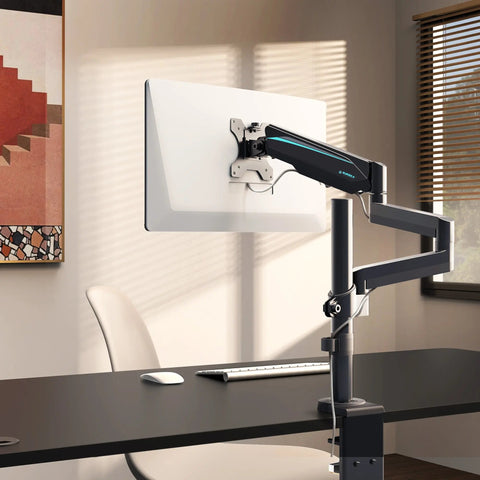
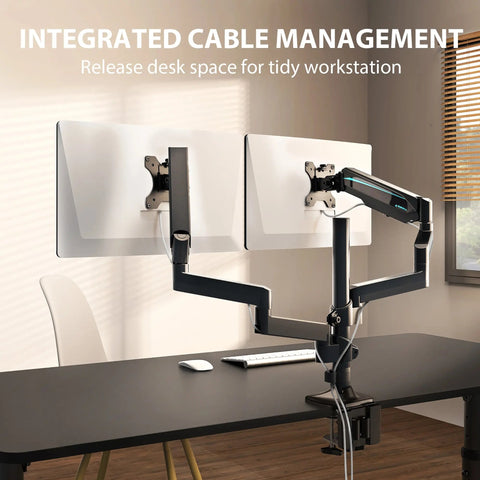
- Monitor Height: The top of the screen should be at or slightly below eye level. If you recline frequently, consider a monitor arm that allows for quick height adjustments.
- Tilt Tension Heuristic: Test your tension by typing. Your elbows should remain at roughly 90 degrees, and you should be able to see your screen without craning your neck forward.
3. Seat Depth and Lumbar Support
Ensure there is a 2-3 inch gap between the front edge of the seat and the back of your knees. This prevents pressure on the circulatory system of the legs. The lumbar support should fit into the natural curve of your lower back, roughly at the beltline.
Summary of Selection Criteria
When evaluating executive seating for spinal health, prioritize these features:
- Synchro-Tilt Mechanism: Look for a 2:1 ratio to ensure the seat pan remains relatively level during recline.
- Adjustable Tilt Tension: Essential for users of different weights to achieve the "float" feel.
- Tilt Lock: Allows for focused, upright work when necessary, though dynamic movement is generally preferred.
- Breathable Materials: Genuine leather or high-performance fabrics that provide comfort without retaining excessive heat.

The Long-Term Investment in Well-being
In the context of a professional career, an executive chair is more than a piece of furniture; it is a tool for productivity. While center-tilt chairs may offer a classic aesthetic, they often fail to provide the dynamic spinal support required for modern, high-intensity work environments.
By opting for a synchro-tilt mechanism, professionals can achieve a notable reduction in disc pressure and musculoskeletal fatigue. When combined with proper workstation setup and a commitment to regular movement, these engineering solutions help transform the office into a space of sustained performance.
Disclaimer: This article is for informational purposes only and does not constitute professional medical advice. Individuals with pre-existing back conditions or chronic pain should consult a qualified physiotherapist or medical professional before making significant changes to their workstation setup.
References
- BIFMA G1-2013 Ergonomics Guideline for Furniture
- CCOHS: Office Ergonomics - Sit/Stand Desk
- ISO 9241-5:2024 Workstation layout & postural requirements
- OSHA eTools: Computer Workstations - Neutral Working Postures
- WHO 2020 Guidelines on Physical Activity & Sedentary Behaviour
- Lumbar spine curvature during office chair sitting (PubMed)
- NIOSH - About Ergonomics
- The 2026 Workstation White Paper (Eureka Ergonomic Internal Resource)




Leave a comment