

Dining Chair Sizing: A Guide to Perfect Table Compatibility
Have you ever found yourself shifting restlessly in your seat halfway through a dinner party, or noticed a dull ache in your lower back after a long holiday meal? Often, we attribute this discomfort to the quality of the conversation or the richness of the food, but the culprit is frequently hidden in plain sight: a fundamental mismatch between the dining chair and the table.
In many households, furniture selection is driven primarily by aesthetics. However, a chair that looks stunning but forces your shoulders into a perpetual shrug or leaves your legs cramped against a wooden support is a failure of functional design. This article explores the physiological principles of seated comfort and provides a rigorous, measurement-based framework for ensuring your dining setup supports Musculoskeletal Health and long-term Well-being.
The Physiology of Seated Comfort: Beyond the Surface
To understand why dimensions matter, we must look at the human body’s response to static loads. When you sit, your spine should ideally maintain a Neutral Position, where the natural S-curve of the back is supported without excessive pressure on the intervertebral discs. Poorly sized furniture disrupts this balance, leading to what clinicians term Musculoskeletal Disorders (MSDs).
According to ISO 11226:2000 Evaluation of static working postures, maintaining a static position for extended periods—typical of long dinners or work-from-home sessions at a dining table—requires specific joint angles to prevent tissue fatigue. If a table is too high, you are forced to lift your shoulders (scapular elevation), which strains the trapezius muscles. If the chair is too low, the angle of your hips becomes acute, potentially restricting Blood Circulation in the lower limbs.
The Occupational Safety and Health Administration (OSHA) identifies poor posture and repetitive strain as core risk factors for MSDs. In a dining context, this often manifests as "thigh compression" when the gap between the seat and the table is too narrow, or "shoulder fatigue" when the gap is too wide. As noted in the 2026 Workstation White Paper: Converging Ergonomic Science and Sustainable Engineering, the convergence of ergonomic science and furniture design is essential for creating spaces that promote health rather than hinder it.
The "Ergonomic Gap": The 12-Inch Rule and Its Nuances
The most critical measurement in dining compatibility is the vertical distance between the top of the chair seat and the top of the dining table. This is often referred to as the "Ergonomic Gap."
The Standard Heuristic
In the furniture industry, a 12-inch gap is the standard rule of thumb. For a typical dining table height of 30 inches, an 18-inch chair seat height provides the necessary clearance for most adults. However, recent modeling suggests that "standard" measurements often fail to account for the diversity of human proportions.
Logic Summary: Our analysis of the Ergonomic Gap assumes a standard 30-inch table height. While a 12-inch gap is a common heuristic for quick selection, it may not provide sufficient thigh clearance for users in the 95th percentile of height or those using chairs with thick, plush cushions that compress under weight.
The "Apron" Trap: A Professional Insight
One of the most frequent mistakes we observe in dining room planning—based on patterns from customer support and furniture return handling—is neglecting the "apron." The apron is the wooden or metal frame that supports the tabletop and connects the legs.
While a table might be 30 inches high, a thick apron can reduce the actual leg clearance to 26 inches or less. If you choose an armchair, the arm height (typically 25–27 inches) must clear the bottom of the apron, not just the tabletop. A chair that fits under the table surface but crashes into the apron is effectively unusable for anyone who wishes to sit close to their meal. To avoid this, ensure the armrest is at least 2 inches (approximately 5 cm) below the lowest point of the table's support structure.

Modeling the Extremes: Why One Size Does Not Fit All
To demonstrate the limitations of standard sizing, we modeled two distinct user personas using the Ergo-Precision Anthropometric Desk Height Calculator, which applies ratios derived from the ANSI/HFES 100-2007 standards.
Scenario A: The 95th Percentile Tall User
For a male user standing 193cm (6'4"), the ideal seat height is approximately 20 inches. On a standard 30-inch table, this leaves only a 10-inch gap.
- The Problem: This user will likely experience thigh compression against the table apron and will have to hunch forward to reach the surface, leading to "C-shaped" spinal curvature.
- The Solution: Look for tables with thin profiles or no aprons, such as the Charlotte, 90"-129" Extendable Dining Table With Sintered Stone Desktop, which offers a sleek, modern frame that maximizes legroom.
Scenario B: The 5th Percentile Petite User
For a female user standing 152cm (5'0"), the recommended seat height is roughly 16 inches.
- The Problem: On a standard 18-inch chair, her feet may dangle, causing pressure on the back of the thighs and restricted circulation. On a standard 30-inch table, the surface will be at mid-chest height, forcing her elbows into an awkward, elevated position.
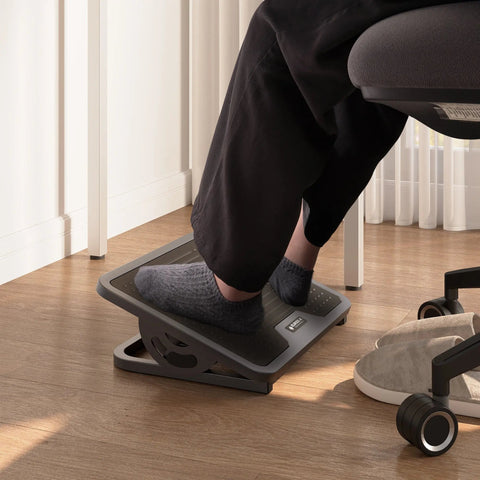
- The Solution: Incorporating a footrest or choosing chairs with adjustable heights (though rare in dining) is ideal. Alternatively, selecting a chair with a firmer seat, like the Rlesana, Velvet Dining Side Chair 1 PC, Red/Green, can prevent the user from sinking too low into the cushion.
Modeling Note (Reproducible Parameters)
This scenario modeling is a decision-making aid based on population averages and is not a clinical study.
| Parameter | Tall Male (95th%) | Petite Female (5th%) | Unit | Source Category |
|---|---|---|---|---|
| Stature (Height) | 193 | 152 | cm | US Army Natick Survey |
| Shoe Correction | 2.5 | 2.5 | cm | Typical indoor footwear |
| Recommended Seat Height | ~51 | ~40 | cm | ANSI/HFES 100-2007 |
| Table Height (Fixed) | 76 (30") | 76 (30") | cm | Industry Standard |
| Resulting Gap | ~25 (10") | ~36 (14") | cm | Calculated Difference |
Spatial Planning: The Architecture of the Dining Room
Sizing isn't just about the relationship between the chair and the table; it's about the relationship between the furniture and the room. Proper Posture Correction is impossible if the user cannot pull their chair out far enough to sit down comfortably or if the room is so cramped that they must sit at an angle.
Circulation and Clearance Zones
According to Safe Work Australia's Workstation Setup guidelines, adequate space for movement is a prerequisite for ergonomic safety. In a dining context, we apply the following spatial logic:
- The Dynamic Zone: You need at least 36 to 42 inches of space between the table edge and the wall (or nearest obstruction). This allows a guest to pull out a chair and sit down without striking the wall.
- The Circulation Path: If the dining area is a thoroughfare, you require an additional 36 inches of "primary circulation" space behind the seated guests to allow others to pass by.
Room Depth Analysis
Our spatial modeling shows that a comfortable dining setup with armchairs typically requires a room depth of at least 120 inches (10 feet). In a compact apartment with only 96 inches (8 feet) of depth, a standard table and chair set will likely fail to provide the necessary 30-inch secondary walkway, leading to a cramped environment that discourages long-term use.

Practical Recommendations for a Harmonious Setup
To achieve the perfect balance of aesthetics and ergonomics, follow these actionable steps when selecting your next dining set.
1. Measure the "Real" Clearance
Don't rely on the advertised table height. Measure from the floor to the bottom of the apron. Compare this to the height of your chair's armrests. If you are considering an extendable table like the Evelyn, 70"- 102" Extendable Dining Table with Slate, White, check the clearance both when the table is closed and when it is fully extended, as the mechanism may slightly alter the under-table space.
2. The Rule of Visual Proportion
While ergonomics is paramount, visual harmony contributes to psychological Well-being. A rule of thumb for designers is that the chair back should be roughly one-half to two-thirds the height of the table. A chair that is too tall can dominate a small room, while a chair that is too short may look "lost" against a large table like the Charlotte Extendable Dining Table.
3. Bench Seating Specifics
Benches are an excellent way to save space, but they require precise planning.
- Knee Space: Ensure there is at least 12 inches of horizontal knee space between the front edge of the bench and the table's support structure.
- Seat Depth: A bench should have a depth of at least 16 inches to provide adequate support for the thighs, preventing the "perching" posture that leads to lower back strain.
4. The 6-Inch Side Buffer
A common mistake is crowding too many chairs around a table. A standard 18-inch wide chair requires a minimum of 24 inches of table edge per person. This 6-inch side buffer (3 inches on each side) ensures guests aren't knocking elbows, which allows for a more relaxed, Neutral Position during the meal.
Selecting Materials for Longevity and Health
The materials you choose for your dining surface can also impact your experience. Sintered stone, found in the Liam, 55.91" Dining Table with Sintered Stone, White, is not only heat- and scratch-resistant but also provides a non-porous surface that is easy to sanitize. This aligns with the principles of creating a healthy home environment, as it reduces the buildup of allergens and bacteria.
Furthermore, for those concerned about indoor air quality, look for furniture that meets low-emission standards. While not all dining furniture carries specific certifications, choosing high-quality materials like sintered stone and powder-coated metals often results in lower Volatile Organic Compound (VOC) emissions compared to cheaply manufactured particleboard and high-gloss plastics.

Summary Checklist for Table-Chair Compatibility
To ensure your dining space is both a design triumph and an ergonomic sanctuary, use this final checklist:
- Vertical Gap: Is there a 10–12 inch space between the seat and the tabletop?
- Apron Clearance: Does the chair (including armrests) clear the bottom of the table frame by at least 2 inches?
- Thigh Room: Is there enough vertical space for the tallest user to sit without their legs touching the table's underside?
- Side Buffer: Is there at least 24 inches of table width allocated per person?
- Circulation: Is there a 36-inch path behind seated guests for movement?
- Foot Support: Can the shortest user sit with their feet flat on the floor or a footrest?
By prioritizing these measurements, you move beyond simple furniture shopping and into the realm of intentional space design. Whether you are hosting a festive gathering at the Charlotte Extendable Table or enjoying a quiet morning coffee at the Liam Sintered Stone Table, a properly sized setup ensures that comfort is never a guest you have to invite—it is already built into the room.

YMYL Disclaimer: This article is for informational purposes only and does not constitute professional medical, legal, or interior design advice. Ergonomic requirements can vary significantly based on individual health conditions, pre-existing musculoskeletal issues, and physical proportions. Readers with chronic back pain or other health concerns should consult a qualified healthcare professional or a certified ergonomist before making significant changes to their seating or workstation setup.
References
- BIFMA G1-2013 Ergonomics Guideline for Furniture
- ISO 9241-5:2024 Workstation layout & postural requirements
- CCOHS: Office Ergonomics - Sit/Stand Desk
- OSHA eTools: Computer Workstations - Neutral Working Postures
- WHO 2020 Guidelines on Physical Activity & Sedentary Behaviour
- ISO 11226:2000 Evaluation of static working postures
- Safe Work Australia: Workstation set-up (infographic, 2023)
- ANSI/HFES 100-2007 — Computer Workstations




Leave a comment