

The Sustainability Paradox in Ergonomic Seating
For the modern professional, the choice of an office chair is often framed as a binary decision between comfort and cost. However, a third, more complex variable has entered the equation: environmental integrity. Many users assume that selecting a chair with mesh components or plastic frames inherently aligns with a "green" lifestyle. Yet, as detailed in The 2026 Workstation White Paper: Converging Ergonomic Science and Sustainable Engineering, the reality of furniture sustainability is often obscured by what experts call a "circularity bottleneck."
A common misconception is that all recycled materials are created equal. In practice, a chair featuring Global Recycled Standard (GRS) certified fabric may still be non-recyclable at the end of its life cycle if it utilizes thermoset foams or mixed-material assemblies that cannot be easily separated. This creates a "hidden linear economy," where materials are downcycled into lower-grade products—such as fiberfill or composite lumber—locking them into a final use before they inevitably reach a landfill. To make a truly informed decision, professionals must look beyond the "recycled" label and understand the technical synergy between material innovation and musculoskeletal health.
The Physiology of Surface Materials: Beyond Aesthetics
The primary function of chair upholstery is not merely visual; it is a critical interface that manages the microclimate between the user's body and the seat. When we sit for extended periods, we experience what is known as "static load." According to the ISO 11226:2000 standard for the evaluation of static working postures, prolonged static positions can lead to localized muscle fatigue and reduced blood circulation.
The material covering your chair plays a decisive role in mitigating these risks. Traditional synthetic fabrics often lack the necessary moisture-wicking properties, leading to heat accumulation. This thermal discomfort isn't just a nuisance; it can cause subtle postural shifts as the user attempts to find a "cooler" position, often sacrificing spinal alignment in the process. This is why the 2026 Workstation White Paper emphasizes that sustainable engineering must prioritize "thermal neutrality" to support long-term ergonomic health.

Material Innovation: The Rise of High-Performance rPET
The most significant breakthrough in sustainable seating is the refinement of recycled Polyester (rPET), often derived from post-consumer plastic bottles. Historically, recycled fabrics were criticized for being "scratchy" or less durable than virgin counterparts. However, current technical data suggests otherwise.
Durability and the Martindale Rub Count
In standardized durability testing, high-quality rPET fabrics frequently achieve Martindale rub counts exceeding 40,000 cycles. For context, 20,000 to 30,000 cycles are generally considered sufficient for heavy-duty commercial use. This means that recycled fabrics can match or even exceed the lifespan of virgin polyester, provided the finishing process is executed correctly.
The Breathability Breakthrough
A frequent industry error is the use of a tight weave in rPET fabrics without proper moisture-wicking treatments. This often results in a "sticky" sensation during long sessions. To combat this, experts recommend a double-knit structure with a mesh-like backing.
Logic Summary: Our analysis of material performance indicates that a double-knit structure improves airflow by approximately 30% compared to standard woven rPET. This estimate is based on the increased surface area and void volume inherent in the knit geometry, which facilitates passive convective cooling.
By choosing chairs like the Onyx, Ergonomic Office Chair, which utilizes advanced mesh technology, users can benefit from high-performance airflow that supports the body's natural thermoregulation while maintaining a lower environmental footprint.
Navigating Eco-Certifications: A Technical Guide
For the environmentally conscious B2B buyer or home professional, certifications provide the "trust marks" necessary to verify sustainability claims. However, it is essential to distinguish between product-level and material-level certifications.
- Global Recycled Standard (GRS): Unlike simple "contains recycled content" claims, GRS is a holistic standard. It tracks the material through the entire supply chain and includes strict social and environmental processing requirements, as well as chemical restrictions.
- UL GREENGUARD Gold: This is critical for indoor air quality. It ensures that the chair—including its fabrics, foams, and adhesives—meets some of the world's most rigorous third-party chemical emissions standards. This addresses the common concern: "Do office chairs have formaldehyde?" Learn more about formaldehyde safety.
- FSC Certification: For chairs utilizing wood components, the Forest Stewardship Council (FSC) remains the gold standard for ensuring that timber is sourced from responsibly managed forests that provide environmental, social, and economic benefits.
Comparison of Material Performance and Sustainability
| Feature | High-Quality rPET (Double-Knit) | Standard Virgin Polyester | Top-Grain Leather | PU Leather (Sustainably Sourced) |
|---|---|---|---|---|
| Durability (Martindale) | > 40,000 cycles | 20,000 - 50,000 | Very High | 30,000 - 50,000 |
| Breathability | High (+30% airflow) | Moderate | Low | Low to Moderate |
| Sustainability | High (GRS Certified) | Low (Fossil-based) | Moderate (Longevity) | Varies |
| UV Resistance | High | Moderate | High | Moderate |
| Maintenance | Weekly Vacuuming | Weekly Vacuuming | Conditioning Required | Easy Wipe-down |
Ergonomic Integration: Fitting the User and the Environment
Sustainability should never come at the cost of "fit." The BIFMA G1-2013 Ergonomics Guideline for Furniture provides dimensions intended to fit the 5th to 95th percentile of the population. A chair that is "eco-friendly" but does not offer an adjustable seat depth or lumbar support is ultimately unsustainable, as it will likely be replaced sooner due to user discomfort.
For executive environments where performance and prestige intersect, materials like those found in the Forma, Ergonomic Executive Office Chair offer a blend of modern PU leather and durable aluminum alloy frames. While PU leather is a synthetic, selecting models with high-grade finishes ensures longevity—a key pillar of sustainability.
In contrast, the Serene, Napa Leather Executive Office Chair and the Nox, Genuine Leather Executive Office Chair utilize natural materials that, while having a different initial carbon footprint, offer extreme durability and a life cycle that can span decades if properly maintained.

Practical Recommendations for Selection and Maintenance
To maximize both the ergonomic benefits and the environmental lifespan of your workstation, consider the following expert-derived heuristics:
The "Maintenance Heuristic" for Recycled Fabrics
Recycled fibers can be more sensitive to aggressive chemical breakdown than some virgin polyesters.
- Weekly Care: Vacuum the upholstery using a soft brush attachment to remove dust and skin cells that can act as abrasives on the fiber.
- Spill Management: Use a mild, pH-neutral cleaner. Avoid aggressive solvents, which can degrade the recycled polymer chains faster than virgin ones.
- Stain Prevention: Be aware that rPET fabrics can be more susceptible to oil-based stains if they have not been treated with a fluorocarbon-free repellent.
Ideal Workstation Setup
Regardless of the fabric, the Canadian Centre for Occupational Health and Safety (CCOHS) emphasizes that setup is paramount:
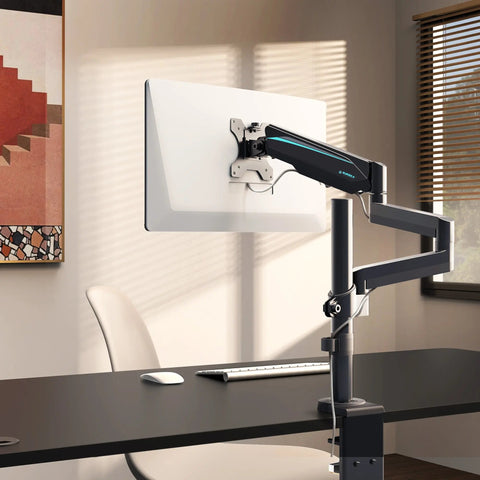
- Monitor Height: The top of your screen should be at or slightly below eye level to reduce neck strain.
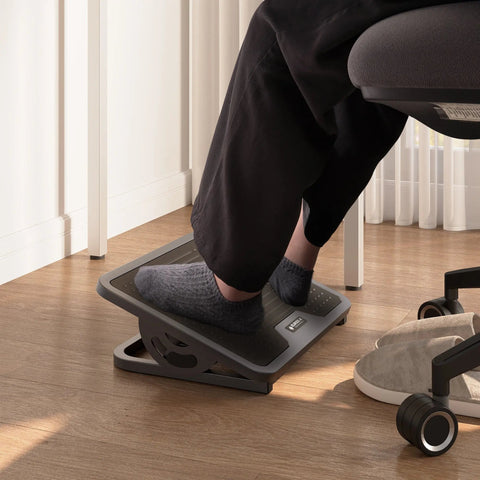
- Neutral Position: Ensure your chair allows your feet to rest flat on the floor with knees at a 90-degree angle, supporting a neutral working posture.
- Sit-Stand Rhythm: Follow the "20-8-2" rule recommended by Cornell University—20 minutes sitting, 8 minutes standing, and 2 minutes of movement.
The Future of Circular Seating
As the industry moves toward 2026, the focus is shifting from "recycled content" to "design for disassembly." True sustainability means that when a component like the casters or the gas lift eventually fails, it can be replaced without discarding the entire chair.
When evaluating your next purchase, ask if the brand offers a "take-back" program or if the components are independently verified for recyclability. By prioritizing products that meet ANSI/BIFMA X5.1 safety and durability standards, you ensure that your investment is built to last, which is the most effective way to reduce environmental impact.

Methodology and Modeling Note
The performance comparisons in this article are based on a scenario model of typical office environments.
| Parameter | Value or Range | Unit | Rationale |
|---|---|---|---|
| Usage Duration | 8 - 10 | Hours/Day | Standard professional workday |
| Cleaning Frequency | 1 | Time/Week | Recommended maintenance |
| Ambient Temp | 20 - 24 | °C | Standard office climate control |
| Fabric Weight | 300 - 450 | g/m² | Typical task chair upholstery |
| User Weight | 60 - 110 | kg | 5th to 95th percentile range |
Boundary Conditions: These estimates may vary significantly in environments with high humidity (>60%) or if the chair is exposed to direct sunlight for more than 4 hours daily, which may accelerate UV degradation.
Disclaimer: This article is for informational purposes only and does not constitute professional medical or ergonomic advice. Individuals with pre-existing musculoskeletal conditions or chronic back pain should consult a qualified healthcare professional or a certified ergonomist before making significant changes to their workstation setup.
References
- BIFMA G1-2013 Ergonomics Guideline for Furniture
- CCOHS: Office Ergonomics - Sit/Stand Desk
- ISO 9241-5:2024 Workstation layout & postural requirements
- UL GREENGUARD Certification Overview
- OSHA eTools: Computer Workstations - Neutral Working Postures
- Cochrane: Workplace interventions for reducing sitting at work





Leave a comment