

Employee turnover is often viewed through the lens of culture, compensation, or management style. However, a significant and frequently overlooked driver of attrition is the physical workspace itself. For corporate decision-makers, the cost of replacing a single employee is estimated to range from six to nine months of their annual salary when factoring in recruitment, onboarding, and lost productivity. When a workplace environment contributes to physical discomfort, it doesn't just lower morale—it can create a revolving door of talent.
The relationship between workstation design and employee longevity is rooted in biomechanics. A static, poorly configured desk is not merely an inconvenience; it is a catalyst for Musculoskeletal Disorders (MSDs). According to research published in Professional Safety (ASSP), MSDs can account for 45% to 65% of all recordable workplace injuries in certain office environments. By transitioning from generic office furniture to evidence-based ergonomic solutions, organizations can work toward transforming their workspace from a liability into a strategic retention tool.
Disclosure: This guide features product examples from Eureka Ergonomic to illustrate specific mechanical features. While these are recommended for their engineering standards, decision-makers should evaluate multiple vendors (e.g., Steelcase, Herman Miller) to find the best fit for their specific organizational needs.
The Physiological Cost of the "Standard" Desk
The traditional office setup often relies on a "one-size-fits-all" approach, typically featuring a fixed desk height of 29 inches. From a biomechanical perspective, this presents a significant ergonomic challenge. Human anthropometry varies significantly; for instance, the average male requires a seated desk height of approximately 28.1 inches, while the average female requires 26.3 inches. This 1.8-inch discrepancy means that a standard fixed desk is mechanically incompatible with a large portion of the workforce.
The Mechanism of Static Load
When an employee sits at a desk that is too high or too low, the body compensates through "static loading." This occurs when muscles remain in a state of constant contraction to maintain an awkward posture. Prolonged static sitting leads to restricted blood circulation and increased pressure on the intervertebral discs. According to the European Agency for Safety and Health at Work (EU-OSHA), this lack of movement is a primary risk factor for chronic back pain and neck strain.
From Discomfort to "Presenteeism"
Before an employee decides to leave, they often go through a phase of "presenteeism"—being physically present but mentally disengaged due to pain. Workplace assessments indicate that chronic discomfort can decrease effective output by an estimated 30%. This physiological friction erodes job satisfaction. When every afternoon is defined by a "burning" sensation in the trapezius or a dull ache in the lower back, the employee’s emotional connection to the workplace weakens, potentially making them more susceptible to outside offers.
The Financial ROI of Ergonomic Intervention
Investing in high-quality ergonomic furniture is often scrutinized as a capital expenditure, yet the return on investment (ROI) is mathematically compelling when based on industry benchmarks.
Direct and Indirect Cost Avoidance
The direct medical and compensation costs for a single work-related MSD case are estimated between $15,000 and $85,000, based on data from the National Safety Council (NSC) and OSHA's "Safety Pays" estimator. However, the indirect costs—including the cost of hiring a replacement, training, and the disruption of workflow—can effectively double that figure. In the UK alone, work-related MSDs result in approximately 7.3 million lost working days per year.
The Productivity Uplift: A Calculation Model
Beyond avoiding injury costs, ergonomic workstations generate value through productivity gains. The following table illustrates a conservative ROI model based on a 10% productivity improvement (a figure supported by the Washington State Department of Labor & Industries ergonomics studies).
| Metric | Value (Example) | Notes |
|---|---|---|
| Employee Hourly Rate | $35.00 | Approx. $72,800 annual salary |
| Daily Productivity Gain (10%) | 48 Minutes | Saved from "micro-breaks" and discomfort |
| Daily Value Gain | $28.00 | $35 x 0.8 hours |
| Annual Value Gain | $7,280.00 | Based on 260 working days |
| Cost of High-End Desk/Chair | $1,200.00 | Estimated capital expenditure |
| Payback Period | ~43 Days | ROI achieved in less than 2 months |
For organizations seeking to combine this ROI with an executive aesthetic, the Zen Pro Series, 87"/72" Executive Standing Desk with Cabinets Set provides a sophisticated solution. By integrating height adjustability into a high-end executive design, it signals to leadership that their health is a priority.
Engineering the Solution: Strategic Workstation Design
A truly ergonomic workstation is about providing the user with total control over their environment. The most effective interventions are those that allow for frequent, fluid transitions between sitting and standing, adhering to the "neutral position" principles.
The 90-90-90 Rule and Its Evolution
Traditional ergonomics suggests the 90-90-90 rule: ankles, knees, and hips all at 90-degree angles. While this is a helpful baseline, modern research suggests that a slightly more "open" angle—around 100 to 110 degrees at the hips—can reduce spinal disc pressure. This requires a chair with highly adjustable lumbar support and seat depth.
Calculated Ergonomic Cheat Sheet
Using derived projections from ISO 9241-5 and ANSI/HFES standards, the following table provides a starting point for workstation configuration.
| User Height | Calculated Seat Height | Calculated Standing Desk Height | Ergonomic Risk Zone |
|---|---|---|---|
| 5'4" (162cm) | 15.5" - 16.5" | 36.5" - 38.5" | Wrist extension (Carpal Tunnel risk) |
| 5'9" (175cm) | 17.5" - 18.5" | 41.5" - 43.5" | Shoulder shrugging (Trapezius strain) |
| 6'2" (188cm) | 19.5" - 20.5" | 45.5" - 47.5" | Neck flexion (Cervical spine load) |
Note: Calculations assume a 1-inch shoe correction factor. Standing height should be set so that the elbows are at a 90-110 degree angle with the keyboard.
The Role of Dynamic Support
A chair must respond to the user's movements. The Flex, Dual-Backrests Ergonomic Office Chair exemplifies this through its independent dual-backrest design. Unlike rigid frames, this system adapts to the natural lateral movements of the spine, providing targeted support to the lumbar region even as the user shifts focus. This level of ergonomic office chair design is critical for preventing the "ergonomic mismatch" that leads to long-term dissatisfaction.

Practical Recommendations: The Mechanical Audit
To reduce turnover, companies must empower employees to audit their own spaces. A 5-minute mechanical audit can identify "friction points" before they become chronic injuries.
The 5-Minute Mechanical Audit Checklist
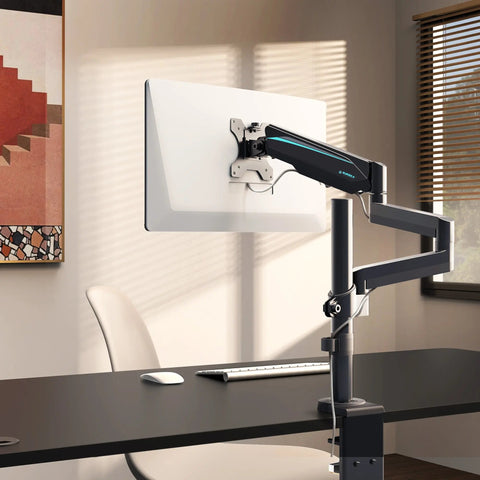
- Eye Level Check: Is the top third of your monitor at or slightly below eye level? If it's too low, you are likely suffering from "tech neck."
- Elbow Angle: When typing, are your shoulders relaxed and your elbows open at 100-110 degrees? This opens the ulnar tunnel and reduces nerve compression.
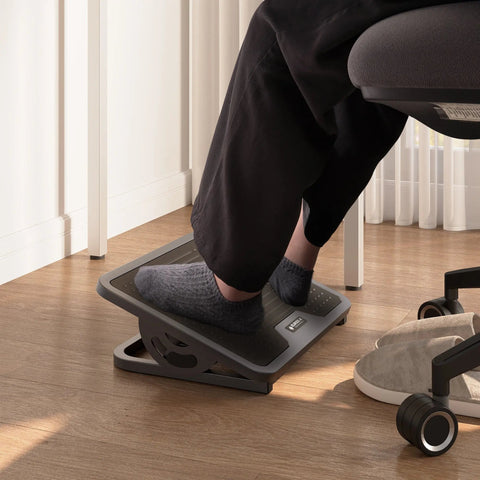
- Foot Placement: Are your feet flat on the floor? If you are petite, a footrest is a necessity, not an accessory, to prevent pressure on the back of the thighs.
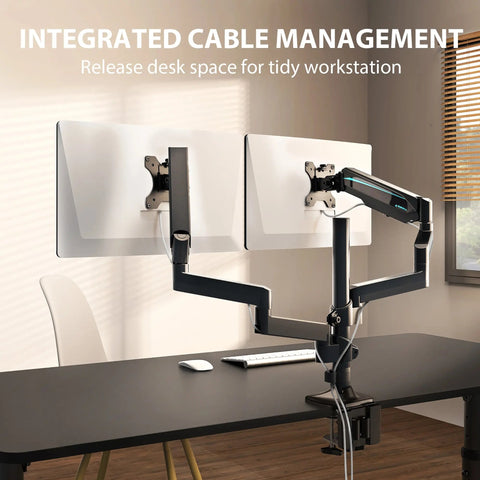
- Cable Tension: For standing desks, ensure cables have at least 20% routing slack at maximum height to prevent equipment damage.
- The "Float" Test: Can you slide your fingers easily under your thighs at the front edge of the chair? If not, the seat pan is likely too high, restricting circulation.
Symptom Decoder: Mapping Pain to Mechanics
| Symptom | Potential Mechanical Root Cause | Recommended Adjustment |
|---|---|---|
| Lower Back Ache | Insufficient lumbar support or static sitting | Increase chair recline or switch to standing |
| Wrist/Forearm Pain | Keyboard is too high (Extension bias) | Lower desk height or use a keyboard tray |
| Neck/Shoulder Tension | Monitor is too low or desk is too high | Raise monitor to eye level; relax shoulders |
| Leg Numbness | Seat pan is too deep or too high | Adjust seat depth; use a footrest |
For managers overseeing diverse teams, providing a desk like the Ark EL Executive Standing Desk (60"x26") offers the necessary range of adjustment to accommodate various body types. Understanding how to set up a standing desk correctly is just as important as the desk itself.

Implementation Pitfalls and Best Practices
Case Study: Mid-Sized Tech Firm Intervention
- Background: A 150-person software firm reported high rates of neck pain and a 15% annual turnover in its engineering department.
- Intervention: Replaced fixed desks with height-adjustable workstations and provided 1-hour ergonomic training sessions.
- Results (12 Months): Reported MSD-related absenteeism dropped by 22%. Internal surveys showed a 12% increase in "workplace comfort" satisfaction scores, correlating with a 5% reduction in voluntary turnover within that department.
Contraindications: Who Should Be Cautious?
While ergonomic adjustments benefit most, certain individuals should seek professional guidance:
- Pre-existing Spinal Conditions: Individuals with herniated discs or severe scoliosis should have their workstation settings approved by a physical therapist.
- Circulatory Issues: Those with varicose veins or deep vein thrombosis (DVT) should avoid prolonged standing and consult a physician regarding the appropriate sit-stand ratio.
- Acute Injury: If you are experiencing sharp, radiating pain or numbness, do not attempt to "fix" it with furniture; seek medical evaluation immediately.
The 20-8-2 Rhythm
Developed by researchers at Cornell University, this rhythm suggests 20 minutes of sitting, 8 minutes of standing, and 2 minutes of moving/stretching. This prevents the "static load" from building up in any single muscle group.
Investing in Longevity
In the modern corporate landscape, employee well-being is a core component of talent retention. Ergonomic workstations represent a strategic investment that addresses the physical root causes of turnover. By reducing MSD risks and addressing the hidden costs of presenteeism, businesses can work toward lowering recruitment and training expenses.
The ROI of ergonomics is supported by data: reduced absenteeism, higher productivity, and a workforce that feels valued. When you invest in the physical health of your staff, you are building a foundation for a more resilient and loyal organization.
Frequently Asked Questions (FAQ)
Is standing all day better than sitting? No. Prolonged standing can lead to lower limb disorders. The key is frequent transitions. The Canadian Centre for Occupational Health and Safety (CCOHS) recommends alternating between sitting and standing.
How much should I spend on an ergonomic chair? The cost should be weighed against the potential cost of an injury ($15k+). A high-quality chair with dual-backrest support is a long-term investment in health.
Can ergonomic furniture really reduce turnover? While not a "guaranteed" fix, data suggests that eliminating daily physical friction improves job satisfaction. Comfortable employees are generally more engaged and less likely to seek work elsewhere due to physical burnout.
YMYL Disclaimer: This article is for informational purposes only and does not constitute professional medical advice. If you have pre-existing musculoskeletal conditions or chronic pain, please consult a qualified healthcare professional or a certified ergonomist before making significant changes to your workstation or work routine.
Sources
- OSHA: Identifying Ergonomic Problems
- CCOHS: Office Ergonomics - Sit/Stand Desk
- EU-OSHA: Musculoskeletal Disorders and Prolonged Static Sitting
- WHO: 2020 Guidelines on Physical Activity & Sedentary Behaviour
- Cornell University: Workstation Setup Guides
- BIFMA: Ergonomics Guideline for Furniture
- National Safety Council: Work Injury Costs




Leave a comment