

Integrating Macro Pads and Stream Decks into Your Desk Setup
I have been there: mid-stream, adrenaline pumping, reaching for a macro pad that is buried under a pile of notes or positioned so awkwardly that my wrist starts screaming after just an hour. For content creators, the "desk clutter vs. efficiency" battle is real. We need our controllers—Stream Decks, Loupedecks, and custom macro pads—within reach, but we also need a clear desktop for our actual creative work.
The solution isn't just a bigger desk; it is a smarter layout. I have spent weeks testing a setup that flips the script: using an under-desk keyboard tray as a dedicated staging area for controllers rather than just a place to hide a keyboard. This approach clears your primary workspace while keeping your mission control in the ergonomic "sweet spot."
In this guide, I will break down how to integrate these tools into a high-performance workstation, drawing on industry standards like BIFMA G1-2013 Ergonomics Guidelines and our own scenario modeling for professional streamers.

1. Unboxing and Assembly: Building the Foundation
To test this "Mission Control" concept, I started with the Aero Pro Wing-Shaped Standing Desk (72"x23"). First impressions? The packaging is robust—it arrives in two separate boxes to protect that massive 72-inch wing-shaped surface. Assembly took about 45 minutes. The dual-motor system is a game-changer for stability, which is critical when you are mounting heavy accessories to the underside.
Next, I installed the Pull-out Keyboard Tray. A common mistake I see is mounting the tray into thin particleboard. For this setup, I ensured the mounting brackets were secured into the desk's structural frame. This prevents sagging under the weight of multiple controllers and ensures the "Wobble Test" remains a non-issue even when the desk is at full standing height.
The build quality of the Aero Pro is exceptional. The carbon fiber texture on the desktop doesn't just look sleek; it provides a high-friction surface that keeps your main gear in place while the RGB ecosystem syncs perfectly with my existing lighting setup.
2. The Ergonomic Deep Dive: Why Placement Matters
According to The 2026 Workstation White Paper: Converging Ergonomic Science and Sustainable Engineering, the convergence of tactile control and posture is the next frontier of workstation design. But how do we define "correct" placement?
Standard advice often fails for specialized users. For instance, in our scenario modeling for a 95th-percentile tall streamer (193cm), standard fixed desks at 29 inches are actually too low, creating a 4.5cm ergonomic gap.
The Macro Pad "Sweet Spot"
A common mistake is mounting the tray too high, causing wrist extension during rapid button presses. This leads to localized fatigue in the carpal tunnel area. One effective method is to place the macro pad surface roughly level with your seated elbow height when your arm is at a 90-degree angle. This aligns with OSHA eTools: Computer Workstations - Neutral Working Postures, which emphasizes maintaining neutral joint angles to minimize musculoskeletal disorder (MSD) risks.
Modeling Note (Methodology & Assumptions): Our ergonomic heights are calculated using a deterministic parameterized model based on ANSI/HFES 100-2007 anthropometric ratios.
Parameter Value Unit Rationale User Stature 193 cm 95th percentile male Desk Type Dual Motor Type Required for 94kg load stability Tray Offset 6 in Standard extension depth Target FOV 50 deg SMPTE/THX balance Load Capacity 120 kg Safety factor for multi-device setups Boundary Conditions: This model assumes static loads and may not apply to users with pre-existing joint conditions who require a custom clinical assessment.

3. Real-World Experience: The Streamer Workflow
During intense FPS sessions, the wing section of the Aero Pro Wing-Shaped Standing Desk (72"x23") gave me perfect arm support, while the Pull-out Keyboard Tray acted as a secondary command tier.
The Pro Workflow: Experienced streamers often create separate OBS profiles for different activities—gaming, talking, or just chatting. I mapped each profile to a specific color layer on my Stream Deck. By having this on the tray, I could trigger scene transitions with my left hand without ever looking away from the main monitor or moving my right hand from the mouse.
Tactile Feedback & Visual Confirmation: The tray's position allows for a quick glance down to confirm the active color layer. This reduces cognitive load, a key factor mentioned in Cornell University's Ergonomics Web. When you aren't hunting for buttons, you can focus more on your audience.
4. Advanced Cable Management & Stability
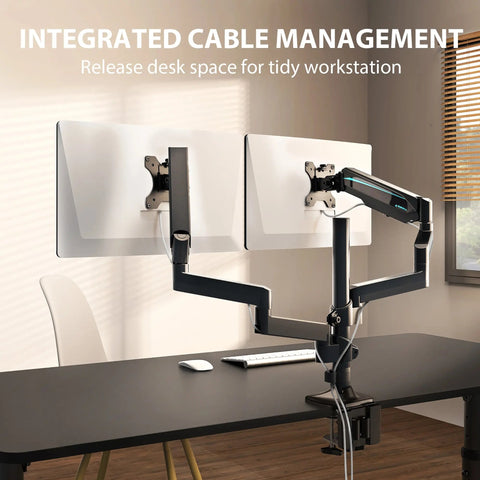
Nothing kills the aesthetics of a pro setup faster than a "spaghetti mess" of USB cables hanging from your tray. For cable management, I used short, right-angle USB cables routed through adhesive clips under the tray. This prevents snagging when you slide the tray in and out.
For the main desk runs, Magnetic Cable Ties are a lifesaver. Unlike Velcro, these don't attract dust or pet hair. I used them to bundle the power and data lines along the Aero Pro’s legs.
Solving the USB Disconnect Issue: If you experience occasional USB disconnects with power-hungry devices like a Loupedeck Live, it is often a power delivery issue rather than a faulty cable. One effective approach is plugging them into a powered USB hub mounted under the desk rather than a direct port on the PC. This completely eliminates the issue by providing a dedicated 5V rail for your controllers.

5. Health, Wellness, and the "20-8-2" Rhythm
Standing is not exercise, but it is a vital tool for reducing sedentary time. The Cochrane Library's 2018 review suggests that sit-stand desks can reduce sitting time by over 80 minutes a day.
To maximize this, I follow the Cornell University "20-8-2" rhythm:
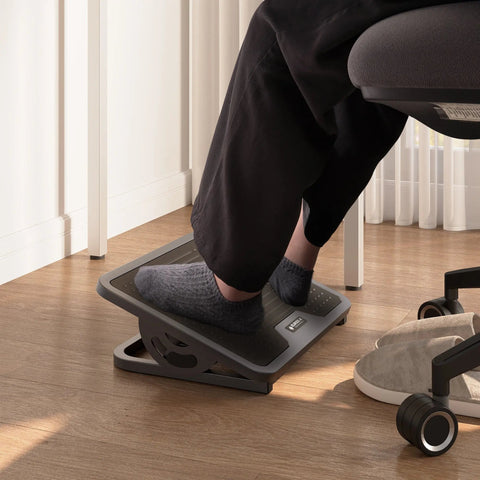
- 20 Minutes Sitting: Use the Adjustable Ergonomic Footrest to promote circulation.
- 8 Minutes Standing: Raise the Aero Pro to your standing height preset.
- 2 Minutes Moving: Stretch or walk around the room.
The Adjustable Ergonomic Footrest is particularly helpful when sitting. It allows you to find your perfect angle (0-20 degrees), which helps fight fatigue during long editing marathons. This aligns with ISO 11226:2000 standards for evaluating static working postures.
Pros & Cons
Pros:
- Desktop Real Estate: Moving controllers to the Pull-out Keyboard Tray frees up significant space for tablets or large mousepads.
- Stability: The Aero Pro Wing-Shaped Standing Desk (72"x23") dual motors handle heavy setups (up to 220 lbs) without the "wobble" common in single-motor desks.
- Customization: Magnetic ties and wing-shaped design allow for a highly personalized RGB ecosystem.
Cons:
- Leg Room: Depending on your height, a deep keyboard tray can occasionally limit knee clearance when sitting.
- Cable Complexity: Managing 4-5 separate USB devices on a moving tray requires careful routing to avoid tension.
Final Thoughts on Mission Control
Integrating macro pads and Stream Decks into your workstation is more than just a cool aesthetic—it is about building a functional environment that supports your body and your workflow. By utilizing tools like the Aero Pro Wing-Shaped Standing Desk (72"x23") and the Pull-out Keyboard Tray, you create a tiered system that keeps the most important controls at your fingertips without sacrificing ergonomic health.
Remember, a "game-changer" setup is one that stays stable, stays organized, and stays comfortable hour after hour.
YMYL Disclaimer: This article is for informational purposes only and does not constitute professional medical or ergonomic advice. If you have pre-existing musculoskeletal conditions, please consult with a qualified physical therapist or ergonomics specialist before making significant changes to your workstation layout.




Leave a comment