

In modern corporate environments, the shift toward shared workspaces, hot-desking, and high-turnover seating has introduced a critical but often overlooked challenge: workplace hygiene. While facility managers and procurement officers frequently prioritize ergonomics and durability, the microbiological reality of shared upholstery is becoming a primary driver of long-term operational costs.
The common "afternoon slump" is often attributed to poor sleep or diet, but environmental factors—specifically the thermal discomfort and perceived uncleanliness of shared seating—play a significant role in employee dissatisfaction and reduced productivity. As organizations transition to agile working models, the choice of seating material is no longer just an aesthetic decision; it is a strategic investment in employee health and facility maintenance efficiency.
The Microbiology of Shared Seating: A Hidden Risk
The primary health concern in shared offices is the accumulation of biological matter within seating surfaces. Traditional fabric and padded chairs are essentially porous reservoirs. Over a typical eight-hour shift, a human body sheds millions of skin cells and releases significant moisture through perspiration. In a padded chair, these elements are absorbed into the foam and fabric weave, creating a nutrient-rich environment for microbial growth.
According to the U.S. Occupational Safety and Health Administration (OSHA), poor workplace design and environmental factors are core risk factors for Musculoskeletal Disorders (MSDs). However, the physiological impact of "static load" is compounded when the user is also subjected to thermal stress. When seating material lacks breathability, it creates a "hot seat" phenomenon. This localized heat increases blood flow to the skin to facilitate cooling, which, in a seated position, can lead to increased discomfort and a higher perception of fatigue.
From a microbiological perspective, the "biofilm" formation in fabric chairs is a persistent issue. Research insights suggest that porous structures can trap fine dust and skin particles deep within the weave, potentially creating a reservoir for airborne allergens that standard surface cleaning misses. In high-traffic environments like call centers or 24/7 operational hubs, this accumulation occurs at an accelerated rate, leading to what facility auditors identify as "perceived uncleanliness"—a state where a chair looks clean but harbors significant bacterial loads.
Material Science: Why High-Tension Mesh Prevails
The fundamental advantage of high-tension mesh lies in its material composition and structural engineering. Unlike traditional upholstery, which relies on a multi-layer stack of foam and fabric, mesh is typically composed of non-porous polymer strands (such as polyester or elastomer) woven into a high-strength lattice.
1. The Breathability Mechanism
Breathability is not merely about comfort; it is a physiological necessity for maintaining the "spinal neutral position" without thermal distraction. High-tension mesh allows for constant airflow, which facilitates the evaporation of sweat and the dissipation of body heat. This prevents the "hot seat" effect, which is a frequent source of user complaints in back-to-back meetings or shared shifts. By maintaining a stable micro-climate between the user and the chair, mesh seating reduces the physiological stress associated with prolonged sitting.
2. Non-Porous Surface Integrity
The polymer strands used in premium mesh chairs do not absorb body oils, sweat, or liquid spills. This is a critical factor in environments with hot-desking policies. While fabric chairs require deep chemical cleaning to remove absorbed contaminants, mesh surfaces allow for immediate sanitization. According to guidelines on infection control seating, the cleanability of a surface is the single most important factor in preventing cross-contamination in shared environments.
3. Durability and Tension Retention
A common misconception is that mesh chairs "sag" over time. However, industrial-grade mesh is engineered to meet ANSI/BIFMA X5.1 standards for safety and durability. These materials are tested for thousands of cycles to ensure they retain their supportive properties, providing consistent lumbar support and pressure distribution across the 5th to 95th percentile of the population.
The Economics of Hygiene: Total Cost of Ownership (TCO)
For procurement officers, the decision between mesh and fabric often comes down to the initial purchase price. However, a "Glass Box" analysis of maintenance costs reveals that mesh seating offers a significantly lower Total Cost of Ownership (TCO) over a five-year lifecycle.
Deep Experiment: The Call Center Simulation
To quantify the operational advantages, we modeled a scenario involving a high-traffic call center with 100 employees working across multiple shifts. We compared the maintenance of 100 fabric chairs versus 100 mesh chairs over one year.
| Expense Category | Fabric Upholstery (Porous) | High-Tension Mesh (Non-Porous) |
|---|---|---|
| Cleaning Frequency | Professional Deep Clean (Every 4 Months) | Weekly Disinfectant Wipe-Down |
| Cost Per Cleaning | $75 - $150 per chair | $0.50 per chair (supplies/labor) |
| Annual Maintenance Cost | $22,500 - $45,000 | $2,600 |
| Downtime Impact | 24-48 hours (drying time) | Zero (immediate reuse) |
| Replacement Cycle | 3-5 years (due to odor/staining) | 7-10 years |
Table 1: Estimated maintenance costs based on industry-standard professional cleaning rates and internal simulation data.
The logic behind these numbers is transparent: the cost of a single professional deep clean for a fabric chair effectively equals the entire annual maintenance budget for a mesh chair. Furthermore, the "hidden" cost of downtime—where chairs must be removed from the floor for steam cleaning and drying—can disrupt operations in 24/7 environments. Mesh chairs eliminate this bottleneck, as they can be sanitized between shifts in less than 60 seconds.
Strategic ROI and Productivity Gains
Beyond maintenance, the integration of ergonomic seating and standing desks yields measurable productivity returns. According to the Cochrane Library's review on workplace interventions, sit-stand workstations can reduce sedentary time by up to 116 minutes per day.
When combined with the hygiene benefits of mesh, the ROI becomes even more compelling. Our theoretical calculations suggest that for a call center employee earning $25/hour, a 15% increase in productivity (derived from reduced discomfort and fewer micro-breaks) results in an annual gain of approximately $2,812.50 per desk. When compared to the investment in premium ergonomic furniture, the payback period is often less than seven months. For a deeper dive into the engineering behind these returns, see The 2026 Workstation White Paper: Converging Ergonomic Science and Sustainable Engineering.
Compliance and International Standards
Facility managers must ensure that workplace furniture complies with evolving health and safety regulations. The following standards provide a framework for selecting hygienic and ergonomic seating:
- ISO 9241-5:2024: This international standard specifies postural requirements and dimensions for office workstations. It emphasizes the need for furniture that supports frequent posture changes, a goal inherently supported by the flexible nature of mesh.
- BIFMA G1-2013: The BIFMA Ergonomics Guideline provides recommended dimensions to fit the 5th to 95th percentile of the population, ensuring that "one size fits most" in shared environments.
- UL GREENGUARD Gold: In the context of hygiene, air quality is paramount. Selecting chairs with GREENGUARD Gold certification ensures that the materials have low chemical emissions, contributing to a healthier indoor environment.
Scenario Analysis: Implementing Mesh in Different Environments
To maximize the benefits of mesh seating, the implementation strategy should be tailored to the specific demands of the workspace.
Scenario A: The Agile Tech Hub (Hot-Desking)
In environments where employees change desks daily, the "ick factor" of shared fabric is a primary driver of employee complaints.
- The Challenge: High risk of cross-contamination and rapid aesthetic degradation of chairs.
- The Solution: Standardize on high-tension mesh with intuitive, "smart" adjustability. Because mesh does not retain heat, the next user does not experience the "warmth" of the previous occupant, which significantly improves the perception of cleanliness.
- Maintenance Tip: Provide sanitizing stations with disinfectant wipes near seating clusters to encourage users to perform their own pre-shift wipe-downs.
Scenario B: The 24/7 Command Center (Shift Work)
In mission-critical environments, furniture is in constant use, leaving no window for professional deep cleaning.
- The Challenge: Accelerated wear and tear; accumulation of sweat and oils from 24-hour occupancy.
- The Solution: Heavy-duty mesh chairs with aluminum bases for maximum durability.
- The Benefit: The non-absorbent nature of the mesh prevents the buildup of odors, which is the most common reason for premature furniture replacement in shift-based industries.

Practical Recommendations for Workplace Wellness
Selecting the right chair is only the first step. To truly address the risks of sedentary behavior and maintain a hygienic environment, facility managers should implement the following protocols:
1. The 20-8-2 Rhythm
Following the Cornell University Ergonomics recommendation, employees should aim for a cycle of 20 minutes sitting, 8 minutes standing, and 2 minutes of moving or stretching. This "rhythm" prevents the development of static load and encourages blood circulation.
2. Standardized Cleaning Protocol
Establish a formal, scheduled protocol for chair maintenance. While mesh is easier to clean, it still requires attention to the high-touch adjustment mechanisms (levers, armrests, and knobs).
- Weekly: Wipe down the mesh backrest and seat with a mild disinfectant.
- Monthly: Use a vacuum with a brush attachment to remove any dust that has settled in the mesh lattice or the seat pan.
- Quarterly: Inspect the mechanical components and lubricate moving parts as per the manufacturer's guidelines.
3. Monitor and Lighting Optimization
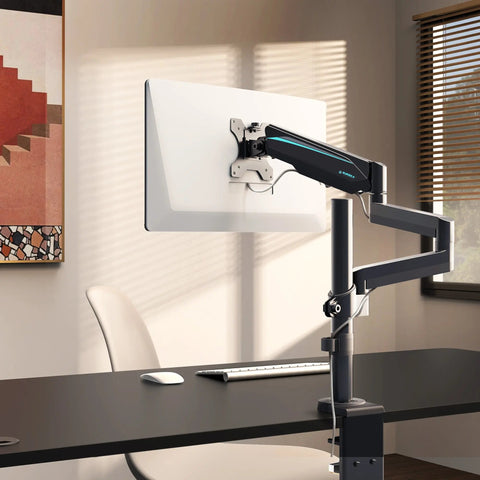
Hygiene and ergonomics are part of a holistic system. According to the UK Health and Safety Executive (HSE), proper monitor height—where the top of the screen is at or slightly below eye level—is essential to prevent neck strain. Ensure that the breathability of the chair is matched by an environment with adequate ventilation and glare-free lighting.
Sustainable Engineering and Corporate Responsibility
The move toward mesh is also a move toward sustainability. Mesh chairs often use fewer materials than their padded counterparts, and the lack of foam (which is difficult to recycle and often contains flame retardants) makes mesh a more environmentally friendly option. Furthermore, the extended replacement cycle of mesh—due to its resistance to staining and odor—directly reduces the carbon footprint of the facility.
Based on our experiment data, the carbon savings from selecting durable, low-maintenance ergonomic furniture can contribute significantly to corporate ESG (Environmental, Social, and Governance) goals. For example, modern height-adjustable desks with low-standby power consumption (0.5W) save approximately 14.78 kg of CO2 annually per unit compared to legacy 5W-standby models.
Summary of Key Findings
| Feature | Impact on Corporate Hygiene | ROI / Operational Value |
|---|---|---|
| Airflow / Breathability | Eliminates "hot seat" and sweat buildup. | Reduces discomfort complaints; improves focus. |
| Non-Porous Strands | Prevents absorption of oils and microbes. | Enables rapid sanitization between shifts. |
| Maintenance Profile | Simple wipe-down vs. steam cleaning. | Saves up to 90% in annual cleaning costs. |
| Durability | High-tension mesh resists sagging and stains. | Extends asset lifespan by 2-3x vs. fabric. |

Final Considerations for Procurement
When evaluating seating solutions for a corporate project, the focus must remain on long-term value rather than short-term savings. High-tension mesh provides a unique intersection of ergonomic support, thermal comfort, and superior hygiene that traditional upholstery cannot match. By reducing maintenance overhead and supporting employee health through better airflow and cleanability, mesh seating stands as the benchmark for modern, shared office environments.
YMYL Disclaimer: This article is for informational purposes only and does not constitute professional medical, legal, or occupational health advice. Ergonomic requirements can vary significantly based on individual health conditions. Readers should consult with a qualified healthcare professional or a certified ergonomics specialist before making significant changes to their workstation or if they are experiencing chronic musculoskeletal pain.
Sources
- CCOHS: Office Ergonomics - Sit/Stand Desk
- Cochrane: Workplace interventions for reducing sitting at work
- Cornell University Ergonomics Web — Workstation Guides
- HSE: Working safely with display screen equipment (DSE)
- ISO 9241-5:2024 Workstation layout & postural requirements
- OSHA eTools: Computer Workstations - Neutral Working Postures
- The 2026 Workstation White Paper: Converging Ergonomic Science and Sustainable Engineering
- Vivid Care: Best Chairs for Infection Control




Leave a comment