

The Modern Huddle Room: Beyond the Four-Wall Meeting Concept
Why do some collaborative spaces feel like engines of innovation while others become stagnant zones that employees actively avoid? The answer rarely lies in the square footage. Instead, it is found in the intersection of ergonomic science, environmental psychology, and technical integration. As organizations transition toward agile work models, the "huddle room"—a small, private meeting space designed for 2–6 people—has become the most critical asset in the modern office footprint.
However, a common misconception exists that a huddle room is simply a smaller version of a boardroom. This oversight leads to "static load" issues where participants suffer from physical fatigue due to poor seating or visual strain from improperly positioned displays. Scientifically, prolonged static sitting is linked to Musculoskeletal Disorders (MSDs), as noted by EU-OSHA research on musculoskeletal disorders and prolonged static sitting. When a meeting space is poorly outfitted, the physiological discomfort directly undermines cognitive performance and collaborative ROI.
The objective of this guide is to provide a rigorous, data-backed checklist for outfitting a huddle room that prioritizes employee well-being and operational efficiency. By aligning furniture selection with standards such as BIFMA and ISO, and integrating technical solutions that address real-world "friction points," office managers can create zones that truly support the 2026 vision of a healthy, productive workplace.
1. Ergonomic Foundation: The Physiological Impact of Meeting Posture
In a huddle room, the primary health risk is the "static posture trap." Unlike a dedicated workstation where a user might adjust their chair once, huddle room furniture is shared by multiple users with varying anthropometric profiles. If the furniture is not intuitively adjustable, users will remain in a sub-optimal position for the duration of the meeting.
The Science of "Active Meetings"
According to a systematic review published by Cochrane: Workplace interventions for reducing sitting at work, sit-stand workstations can reduce daily sitting time by up to 116 minutes. Translating this to the huddle room context, incorporating height-adjustable surfaces allows teams to transition between seated brainstorming and standing "scrums." This movement encourages blood circulation and reduces the risk of lower-limb discomfort, as discussed in research on musculoskeletal lower limb disorders.
Heuristic: The 20-8-2 Rule for Collaboration
While Cornell University’s Ergonomics Web recommends a 20-8-2 rhythm (20 minutes sitting, 8 minutes standing, 2 minutes moving) for individual work, we can adapt this for huddle rooms.
- The 30-Minute Sprint: For short meetings, standing-height tables or adjustable desks encourage brevity and high energy.
- The Deep Dive: For sessions exceeding 60 minutes, providing ergonomic seating that supports a "neutral position" is mandatory to prevent back pain from worsening in the afternoon.
Logic Summary: These recommendations are based on the ISO 11226:2000 standard for evaluating static working postures, which emphasizes that any posture held without change for extended periods increases the risk of tissue fatigue.
2. Furniture Selection: Dimensions and Compliance
Selecting furniture for a huddle room requires more than an aesthetic choice; it requires a commitment to safety and durability standards. In a B2B environment, furniture must withstand high-frequency use while accommodating the 5th to 95th percentile of the population.
The "Fits Most" Design Logic
The BIFMA G1-2013 Ergonomics Guideline provides the industry benchmark for furniture dimensions. For a shared space, prioritize furniture with a wide adjustment range. For example, the Ark EL Executive Standing Desk (60"x26") offers a height-adjustable range that accommodates both seated and standing postures, making it an ideal central hub for a 2-person collaborative pod.

Safety and Durability Metrics
For shared seating, ensure chairs meet ANSI/BIFMA X5.1 standards for safety and structural adequacy. In a huddle room, "tool-free adjustment" is a critical heuristic. Our observations from corporate warranty handling suggest that users will not adjust a chair if it requires more than five seconds of effort, effectively defeating the ergonomic intent.
| Parameter | Recommended Value (Huddle Room) | Rationale |
|---|---|---|
| Table Height (Seated) | 27" – 30" (685 – 760mm) | Aligns with ISO 9241-5 |
| Table Height (Standing) | 38" – 48" (965 – 1220mm) | Accommodates 5th–95th percentile users |
| Leg Clearance Width | Min. 20" (508mm) per user | Prevents hip and knee crowding |
| Chair Load Capacity | Min. 250 lbs (113kg) | Standard for ANSI/BIFMA X5.1 |
For higher-end executive huddle rooms or private management suites, the Zen Pro Series, 87"/72" Executive Standing Desk with Cabinets Set provides a large, premium surface area (sintered stone) that supports multiple laptops and documents simultaneously, while integrated cabinets keep the space organized.
3. The "Hidden" Critical Factor: Technology and Cable Management
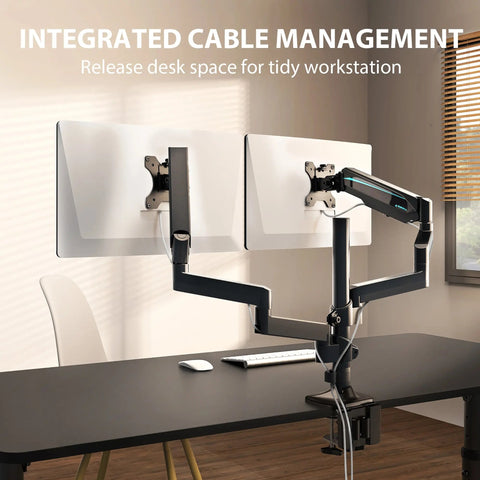
The most common mistake in huddle room design is underestimating cable management. A "messy" room is not just a visual distraction; it is a functional barrier that delays meeting start times and creates safety hazards.
The 20% Budget Rule
A key heuristic derived from facility management patterns is to allocate at least 20% of the furniture budget to integrated cable solutions and accessories. This includes under-desk trays, grommets, and in-desk power modules. Products like the L-Shaped Standing Desk with Accessories Set (60"x23") demonstrate this value by providing built-in socket holders and cable management features that prevent "cable tension" at maximum height.
Monitor and Display Ergonomics
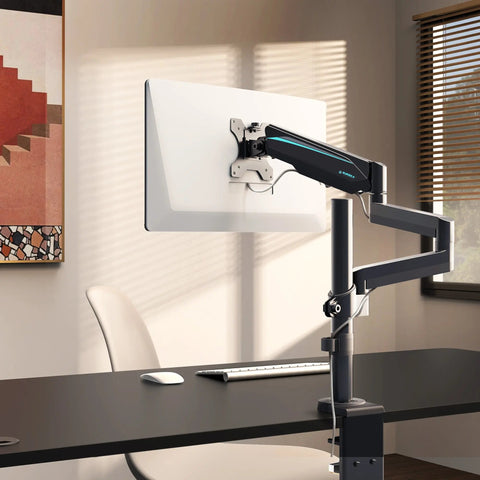
According to OSHA eTools for Computer Workstations - Monitors, screen height and viewing angle are vital for reducing neck strain. In a huddle room:
- Center of Screen: Should be at eye level for the average seated user.
- Viewing Distance: Approximately 20–30 inches, though this varies with screen size.
- Video Conferencing Camera: Must be placed at eye level. A frequent oversight is placing the camera too high, which forces participants to tilt their heads back, leading to cervical spine strain.

4. Environmental Psychology: Acoustics and Lighting
A huddle room with poor acoustics is a privacy risk. If the room isn't properly sealed, high-quality microphones can actually broadcast sensitive conversations more clearly into adjacent open offices—a phenomenon known as the "Privacy Paradox."
Acoustic Treatment Heuristics
Rather than covering every wall in expensive foam, practitioners find that a strategic approach is more cost-effective.
- The Opposite Wall Rule: Placing a single focused acoustic panel on the main wall opposite the door is often sufficient to reduce reverb by 50–70%.
- Soft Surfaces: Incorporating fabric-covered chairs and carpeted flooring provides natural sound absorption, which is more effective for speech clarity than premium AV hardware alone.
The "Camera-On" Lighting Test
Lighting should be tested with the video conferencing system active. A common mistake is placing bright overhead LED panels directly above the seating, which creates harsh facial shadows (the "raccoon eye" effect) on camera.
- Solution: Use indirect lighting or diffused panels. Aim for a Color Rendering Index (CRI) of 90+ to ensure natural skin tones during remote collaboration.
5. The Ultimate Huddle Room Checklist
Use this checklist to ensure your agile meeting zone meets the high standards of The 2026 Workstation White Paper: Converging Ergonomic Science and Sustainable Engineering.
Phase 1: Spatial Planning & Compliance
- [ ] Square Footage: Ensure at least 25 sq. ft. per person for comfort.
- [ ] Air Quality: Verify furniture is UL GREENGUARD Gold Certified to ensure low VOC emissions.
- [ ] Accessibility: Ensure path widths comply with local disability standards (e.g., ADA).
Phase 2: Furniture & Ergonomics
- [ ] Primary Surface: Select a height-adjustable desk like the Ark Executive Standing Desk (63"x29") to support posture changes.
- [ ] Seating: Choose chairs with intuitive, tool-free levers for height and tilt tension.
- [ ] Storage: Include a small cabinet or integrated drawers (found in the Ark EL series) for shared supplies (HDMI adapters, markers, etc.).
Phase 3: Technical Integration
- [ ] Power: Minimum of 2 outlets and 2 USB ports per seat.
- [ ] Cable Management: 20% of budget spent on trays and grommets.
- [ ] Display: Screen size appropriate for room depth (typically 42"–55" for huddle rooms).
- [ ] Audio: External microphone/speaker combo to avoid laptop "echo."
Phase 4: Environmental Comfort
- [ ] Acoustics: One acoustic panel on the wall opposite the door.
- [ ] Lighting: Diffused light sources to eliminate camera shadows.
- [ ] Connectivity: Dedicated Wi-Fi access point or hardwired Ethernet for zero-latency video calls.
Maximizing ROI Through Employee Well-being
Outfitting a modern huddle room is an investment in human capital. By following the Safe Work Australia: Workstation set-up guidelines and focusing on the physiological needs of the workforce, organizations can reduce the hidden costs of IT support and employee fatigue.
When planning your space, consider how modularity can help your office grow. For more insights on scaling these zones, see our guide on Scaling Startup Spaces: Modular Furniture for Rapid Growth. By prioritizing quality materials and ergonomic flexibility today, you ensure a productive and health-conscious workplace for the years to come.
Disclaimer: This article is for informational purposes only and does not constitute professional medical, legal, or ergonomic advice. While the recommendations are based on industry standards, individual needs may vary. Consult with a certified professional for specific workplace health assessments or facility compliance requirements.
References
- BIFMA G1-2013 Ergonomics Guideline for Furniture
- Cochrane: Workplace interventions for reducing sitting at work (2018)
- Cornell University Ergonomics Web — Workstation Guides
- ISO 9241-5:2024 Workstation layout & postural requirements
- OSHA eTools: Computer Workstations - Monitors
- Safe Work Australia: Workstation set-up (2023)
- The 2026 Workstation White Paper: Converging Ergonomic Science and Sustainable Engineering




Leave a comment