

The Vision of a Workspace Sanctuary
Imagine a lobby that does more than just welcome; it inspires. Picture a guest zone that feels like a workspace sanctuary—a place where the transition from transit to execution is seamless, where the air is clear of clutter, and where every guest feels an immediate sense of empowerment. Here, a day of deep work begins the moment you sit down, leaving the chaos of travel and logistics behind.
In the modern corporate landscape, the reception area is no longer a passive waiting room. It is a high-functioning hub of connectivity and professional presence. When a guest arrives, they aren't just looking for a chair; they are looking for a lifeline to their digital workflow. By integrating power and data directly into the furniture, we transform these transitional zones into high-performance environments that reflect a brand's commitment to both aesthetics and functionality.
Beyond Aesthetics: The Functional Science of the Modern Lobby
Creating a tech-ready lobby requires more than just placing a few power strips under a table. It demands a sophisticated understanding of ergonomic standards and user behavior. According to the BIFMA G1-2013 Ergonomics Guideline for Furniture, furniture dimensions must accommodate a wide range of body types—from the 5th to the 95th percentile—to ensure universal comfort. When we integrate technology into these spaces, we must maintain these ergonomic baselines.
The challenge lies in the "Hidden Infrastructure." We often see facilities managers underestimating the simultaneous power demand of modern guests. A smartphone, a tablet, and a high-powered laptop are now the standard "digital toolkit" for every business traveler.
Logic Summary: Our analysis of guest zone requirements assumes a high-density usage model where at least 50% of seated guests will require active charging simultaneously. This modeling is based on common patterns observed in corporate hospitality and support feedback regarding power availability (not a controlled lab study).
The Charging Demand Heuristic
To avoid the frustration of "outlet hunting," we recommend a simple heuristic for planning your guest zones:
| Parameter | Recommended Value | Rationale / Source Category |
|---|---|---|
| Outlet Density | 1 per 2 guests | Heuristic for simultaneous device charging |
| USB-C PD Ratio | Minimum 30% | Requirement for modern laptop Power Delivery |
| Wireless Recess | 2-3mm | Prevents device slippage during "hasty" placement |
| Cable Pathing | Internal | Eliminates snag hazards in high-traffic areas |
| Wi-Fi Signal | -65 dBm | Target for seamless video conferencing at seated height |
Transforming the Guest Experience: A Step-by-Step Evolution
The transformation from a cluttered, "low-tech" lobby to a sleek, tech-ready sanctuary follows a logical progression. It’s about moving from external, "bolted-on" solutions to integrated, "built-in" excellence.
Step 1: Decluttering the Visual Landscape
The "Before" state of many lobbies is defined by a "cable nest"—tangled wires snaking across floors or hanging from the sides of desks. This not only ruins the aesthetic but also creates a physical hazard. According to OSHA's guidelines on identifying problems, tripping hazards and poor workstation layout are primary risk factors in professional environments.
Step 2: Integrating Purposeful Furniture
The "After" state utilizes pieces like the Zen Pro Series, 87"/72" Executive Standing Desk with Cabinets Set. This isn't just a desk; it's a command center. The Lauren Black Gold Sintered Stone desktop provides a premium, durable surface, while the integrated cabinets hide the "guts" of the technology—power bricks, data hubs, and excess cabling.
Step 3: Enabling Fluidity
A modern lobby must support both sitting and standing. The Cochrane systematic review on workplace interventions indicates that sit-stand options can significantly reduce sedentary time, typically by 84 to 116 minutes per day. By offering height-adjustable surfaces like the Ark EL Executive Standing Desk (60"x26"), you allow guests to shift between "thinking" and "execution" modes, boosting their comfort and mindfulness.

Linking Functionality with Emotion
There is a profound emotional value in a tidy, high-functioning desk. A desk that is "tech-ready" is a desk that is "mind-ready." When a guest doesn't have to worry about their battery percentage or a spotty Wi-Fi connection, they can enter a state of deep work.
The Ark X Executive Standing Desk (60"x26") exemplifies this balance. By combining the warmth of oak veneer with the sophistication of black leather, it creates a tactile experience that grounds the user. The three drawers aren't just for storage; they are for "decluttering the mind," allowing guests to tuck away their travel documents and focus on the task at hand.
Height adjustment is more than a health feature; it’s an emotional pivot. Standing up can provide a "reset" for the brain, moving from a passive, receiving state to an active, executing state. As noted in The 2026 Workstation White Paper: Converging Ergonomic Science and Sustainable Engineering, the future of office design lies in furniture that adapts to the human rhythm, not the other way around.
The Hidden Infrastructure: Mastering Power and Data
To truly master the tech-ready lobby, we must address the technical nuances that guests often feel but rarely see.
The Death of the Captive Portal
While many businesses use captive portals (those "log-in" pages) to collect guest data, the industry is moving away from them due to user friction and security concerns. Major OS developers are increasingly supporting Passpoint (Hotspot 2.0), which allows for automatic, secure, and credential-free network access. Transitioning to this standard can significantly improve the guest experience, making the Wi-Fi feel "invisible" and reliable.
Cable Management as a Safety Standard
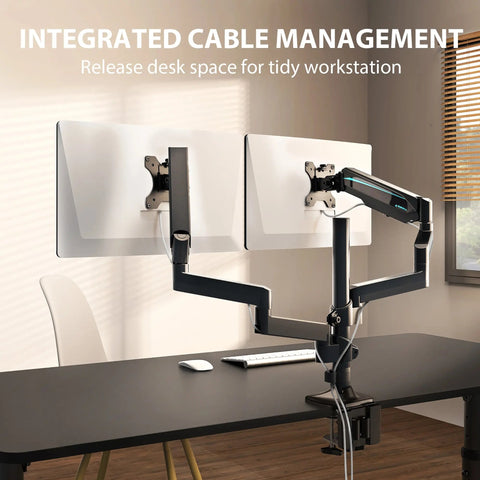
In high-traffic areas, external cable trays are non-negotiable "no-gos." They collect debris and become snag hazards. We recommend furniture with integrated grommets and internal channels. This aligns with the HSE: Working safely with display screen equipment (DSE) standards, which emphasize that a workstation should be spacious enough to allow for a comfortable arrangement of equipment and cables.
Wireless Charging Precision
When embedding wireless chargers into furniture, "recessed and non-slip" is the golden rule. Guests often place phones down hastily during a conversation. A flush-mounted charger with a textured surface ensures the device stays aligned with the charging coil, preventing the "dead phone" surprise when they leave.

Linking Ergonomics with Hospitality
The World Health Organization (WHO) 2020 Guidelines recommend reducing sedentary time to lower cardiovascular risks. In a lobby setting, providing an ergonomic chair or a standing desk option is a clear signal that you value your guest's well-being.
However, standing is not a substitute for exercise. It is a tool for posture variation. According to ISO 11226:2000, avoiding prolonged static positions is key to preventing musculoskeletal disorders (MSDs). We often advise guests to follow the "20-8-2" rhythm—20 minutes of sitting, 8 minutes of standing, and 2 minutes of moving—a recommendation popularized by Cornell University's Ergonomics Web.
Optimizing the Visual Interface
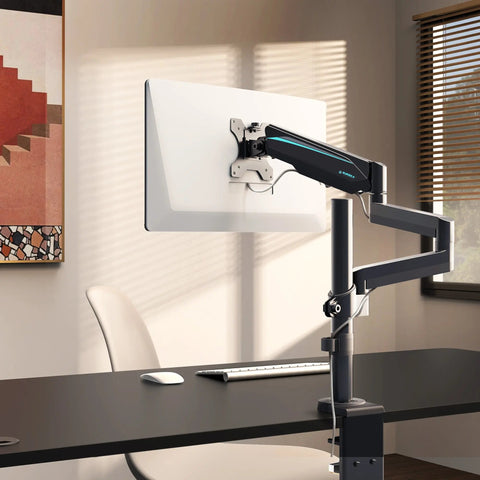
If your lobby includes fixed monitors for guest use, the placement is critical. Using a Single Monitor Arm allows guests to adjust the screen to their specific eye level, reducing neck strain. This flexibility is supported by OSHA's eTools for Computer Workstations, which suggest that the top of the screen should be at or slightly below eye level.
Personal Tips for a Mindful Lobby Atmosphere
Creating a workspace sanctuary goes beyond the hardware. It’s about the ambiance and the small details that foster mindfulness.
- Lighting and Glare: Position your tech-ready desks away from direct window glare. High-contrast lighting can lead to eye fatigue. If you must place a desk near a window, ensure the guest can adjust their position—this is where the rotation of a Single Monitor Arm becomes invaluable.
- Greenery and Air Quality: Integrating plants into the lobby doesn't just look good; it improves air quality and reduces stress. Look for furniture that meets UL GREENGUARD Certification standards to ensure low chemical emissions, creating a healthier indoor environment.
- Acoustic Management: Technology-ready zones should be placed away from high-noise areas like the main entrance or coffee station. A quiet corner with a comfortable desk like the Ark EL Executive Standing Desk (60"x26") can provide the necessary focus for a quick pre-meeting review.
- Signal Strength at Seated Height: Always test your Wi-Fi signal at the height where guests will actually be using it. Bodies and furniture can degrade signals. A signal that is strong at standing height may be weak at seated height due to the "shadowing" effect of heavy stone or wood furniture.

Future-Proofing Your Workspace Sanctuary
The intersection of hospitality and technology is constantly evolving. By choosing premium materials like sintered stone and leather, and prioritizing integrated power and data, you aren't just furnishing a lobby—you are building a brand-centric ecosystem.
As we've explored in our previous guide on Small Home Office Setups, the principles of spatial efficiency and ergonomic health are universal. Whether it's a home office or a corporate reception area, the goal remains the same: to create an environment that supports the human spirit and the modern workflow.
By adhering to industry standards such as ISO 9241-5:2024 for workstation layout and ANSI/BIFMA X5.1 for structural adequacy, you ensure that your lobby is not only beautiful but also safe and durable. In the end, a tech-ready lobby is a promise kept—a promise that your guests' time and productivity are valued the moment they step through your doors.
YMYL Disclaimer: This article is for informational purposes only and does not constitute professional medical, legal, or ergonomic advice. While sit-stand desks and ergonomic adjustments may reduce strain, individuals with pre-existing musculoskeletal conditions should consult a qualified healthcare professional or a certified ergonomist before implementing a new workstation routine.
References
- BIFMA G1-2013 Ergonomics Guideline for Furniture
- Cochrane: Workplace interventions for reducing sitting at work
- Cornell University Ergonomics Web — Workstation Guides
- HSE: Working safely with display screen equipment (DSE)
- OSHA eTools: Computer Workstations - Monitors
- WHO 2020 Guidelines on Physical Activity & Sedentary Behaviour
- The 2026 Workstation White Paper: Converging Ergonomic Science and Sustainable Engineering




Leave a comment