Skip to product grid

22 products

Best Standing Desks & Executive Desks for Home Office

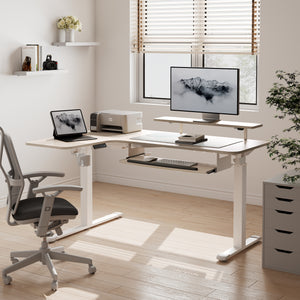
Whether you work from a dedicated home office or a corner of your living room, the right desk sets the foundation for how you feel, focus, and perform. Browse our best-selling standing desks, executive desks, and gaming desks, each designed to balance ergonomic function with lasting style.

Why a Quality Desk Is the Most Important Investment in Your Workspace

Most people spend 6 to 10 hours a day at their desk. That makes your desk not just a piece of furniture, it's the centerpiece of your productivity, posture, and long-term physical health. A desk that fits your workflow, your space, and your body can make a measurable difference in how much you accomplish and how good you feel at the end of the day.

Standing Desks: The Ergonomic Standard for Modern Workspaces

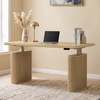
Height-adjustable standing desks have become the go-to choice for home offices, and for good reason. Alternating between sitting and standing throughout the day is one of the most evidence-backed habits for reducing back pain, improving circulation, and sustaining energy levels during long work sessions.

When choosing a standing desk, key factors to consider include:

● Height range — ensures the desk fits both seated and standing positions for users of different heights

● Weight capacity — especially important for dual-monitor setups or heavy equipment

● Surface size — larger surfaces (60" and above) give you room to spread out without feeling cramped

● Stability at height — a desk that wobbles undermines both your focus and your equipment

Executive Desks: Form Meets Function at the Highest Level

An executive desk signals more than status, it reflects a commitment to creating a workspace that takes your work seriously. Premium executive desks offer generous desktop real estate, integrated storage, and refined materials that hold up to daily use while elevating the look of any room.

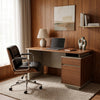
Whether you prefer clean modern lines, warm mid-century wood tones, or bold contemporary finishes, the right executive desk anchors the entire feel of a home office.

L-Shaped Desks: Maximum Surface, Minimum Footprint

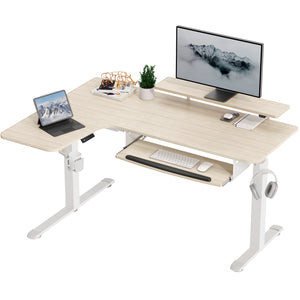
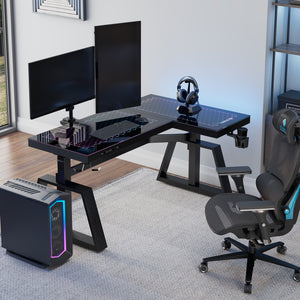
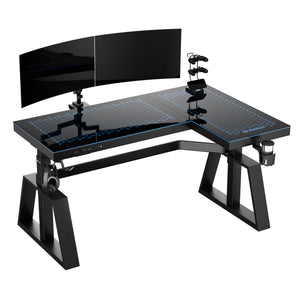
For multitaskers, content creators, and anyone running a dual-monitor or multi-device setup, an L-shaped desk dramatically increases usable workspace without requiring a larger room. The corner configuration lets you organize work zones naturally, a primary screen on one side, reference materials, a second display, or peripheral gear on the return.

L-shaped standing desks combine this surface advantage with height adjustability, making them one of the most versatile options available for serious home offices.

Gaming Desks: Built for Performance, Designed for Long Sessions

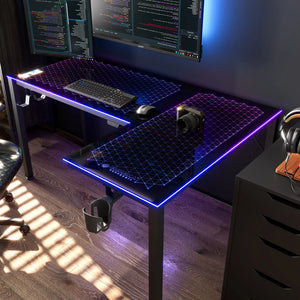
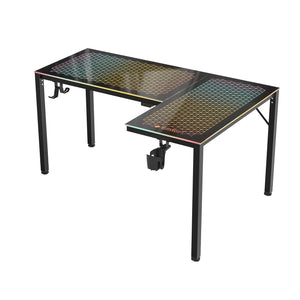
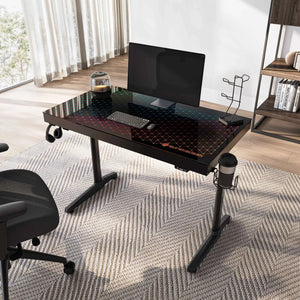
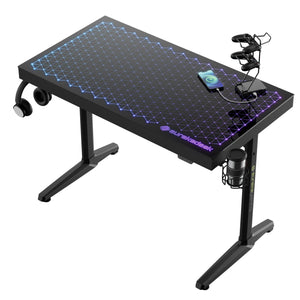
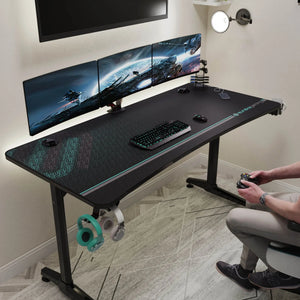
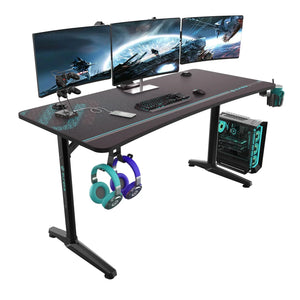
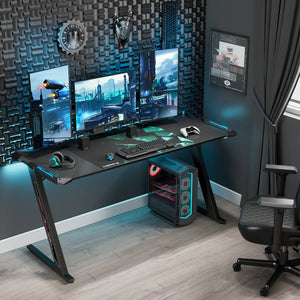
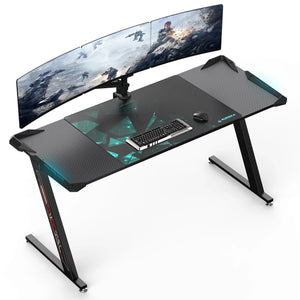
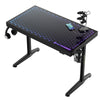
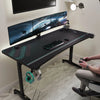
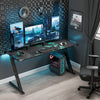
Gaming desks are engineered around the demands of extended, high-focus use. Wider surfaces accommodate large monitors, capture cards, streaming gear, and controllers simultaneously. Features like cable management cutouts, monitor risers, and headphone hooks keep setups clean and accessible.

The best gaming desks work just as well for creative professionals, video editors, and anyone who needs a command-center-style workspace that stays organized under pressure.

How to Choose the Right Desk for Your Home Office

There's no single "best desk". The right choice depends on how you work, what you work with, and the space you have. Here's a straightforward framework:

Start with your primary use case. Are you mostly typing and on calls? A 60" executive standing desk is typically plenty. Running multiple monitors or dual workstreams? Consider an L-shaped or extra-large surface (70"+ ).

Consider your room's dimensions before your wishlist. Measure the wall space you're working with, accounting for chair clearance and drawer pull-out room. A desk that looks perfect online can feel cramped in practice if the proportions aren't right.

Match the finish to the room, not just the desk. Walnut and warm wood tones work well in warm, layered spaces. Black and white desks suit modern, minimalist setups. If you're building a cohesive office aesthetic, choose a desk finish that coordinates with existing furniture or flooring.

Storage vs. open surface: know your workflow. If your work involves physical documents, stationery, or equipment you want off the desktop, integrated drawers and cabinets are worth prioritizing. If you prefer a clean, uncluttered surface and handle most things digitally, a desk without built-in storage is often easier to keep tidy.

FAQ


What is the ideal desk height for a home office?

For most adults, a desk height between 28" and 30" works well for seated work. For standing, the optimal height positions your elbows at roughly 90 degrees with your shoulders relaxed, typically between 38" and 46" depending on your height. A height-adjustable standing desk removes the guesswork by letting you dial in the exact position for both postures.

How much desk surface do I actually need?

For a single-monitor setup with a keyboard and mouse, 48" of surface width is functional. For dual monitors or a wider workflow, 60" to 72" gives you room to work without crowding. If you're unsure, err larger, you'll rarely wish you had less desk space.

What's the difference between an executive desk and a regular office desk?

Executive desks typically offer a larger surface, higher-quality materials, and integrated storage like drawers or shelving. They're designed to anchor a dedicated office space both functionally and visually. Standard office desks tend to be more minimal and better suited to compact spaces or secondary workstations.

How do I know if an L-shaped desk will fit my room?

Measure the two walls that form the corner where the desk will sit. Most L-shaped desks require a corner footprint of roughly 60" × 50" to 72" × 60". Leave at least 36" of clearance behind the chair for comfortable movement. If the numbers work on paper, it'll work in the room.

Do gaming desks work well for regular office use?

Absolutely. Gaming desks tend to be oversized, sturdily built, and designed for long-session comfort, all qualities that translate directly to home office use. The main stylistic difference is aesthetic: gaming desks often lean toward darker, more angular designs. Many users find them practical regardless of whether they game.