

The Hidden Cost of the 90-Minute Strategic Meeting
Why does executive focus often dissipate halfway through a strategic session? For corporate procurement teams and facility managers, the answer is frequently found not in the agenda, but in the upholstery. The "afternoon slump" in a boardroom is rarely just a matter of glucose levels; it is a physiological response to static loading and thermal discomfort.
In professional environments, the boardroom chair is a critical tool for engagement. However, traditional procurement often prioritizes aesthetic prestige—specifically leather—over the physiological requirements of the human body during extended sitting. While a leather chair conveys an immediate sense of authority, it can become a significant source of distraction during day-long strategy sessions. Participants become warm, fidgeting increases as they seek micro-airflow, and engagement drops.
This article examines the science of material selection in executive seating, contrasting traditional leather with modern breathable mesh and fabric. By grounding these choices in musculoskeletal health and thermal dynamics, we provide a definitive guide for designing collaborative spaces that support both a prestigious image and sustained productivity.
The Physiology of Seated Discomfort: Static Load and Thermal Accumulation
To understand why material choice matters, one must first understand the physiological principles of the "spinal neutral position" and "static load." According to the U.S. Occupational Safety and Health Administration (OSHA), a neutral posture maintains the natural S-curve of the spine, reducing the strain on muscles, tendons, and the skeletal system.
However, even in a neutral position, prolonged sitting creates a "static load." This occurs when muscles remain in a constant state of contraction to support the body's weight, which can impede blood circulation and lead to Musculoskeletal Disorders (MSDs). The European Agency for Safety and Health at Work (EU-OSHA) identifies prolonged static sitting as a primary risk factor for lower back pain and circulatory issues.
The "Thermal Trap" Phenomenon
Beyond posture, thermal comfort is the second pillar of boardroom ergonomics. The human body constantly radiates heat. In a boardroom environment, the chair material acts as an insulator.
- Leather and Non-Perforated Synthetics: These materials have low vapor permeability. They trap a layer of warm, humid air between the user's body and the chair back. As the core temperature rises slightly, the body initiates cooling through perspiration. Because the material cannot "breathe," moisture is trapped, leading to the "sticky" sensation that triggers fidgeting.
- Breathable Mesh and Fabric: High-quality mesh offers significantly more space for air movement. Research suggests that high-performance mesh can provide up to 6.5 times more airflow than solid materials (estimated based on material porosity and air permeability analysis).
Logic Summary: The preference for mesh in high-intensity environments is based on the mechanism of evaporative cooling. By allowing air to circulate, the chair prevents the localized heat buildup that leads to physical restlessness and cognitive fatigue.
Material Performance Metrics: Leather vs. Mesh vs. Fabric
When evaluating seating for a professional collaborative space, procurement teams must balance three factors: prestige, thermal comfort, and acoustic properties.
1. Leather: The Prestige Standard
Leather remains the benchmark for executive "presence." Products like the Serene, Napa Leather Executive Office Chair utilize full-grain Napa leather to provide a tactile sense of luxury that aligns with high-level corporate branding.
- Pros: High durability, easy to wipe down (forgiving of initial spills), and a prestigious aesthetic.
- Cons: High heat retention; requires consistent conditioning in dry, air-conditioned boardrooms to prevent cracking.
- Best Use Case: Short client-facing presentations or "head of the table" positions where the duration of use is limited but the visual impact is paramount.

2. Breathable Mesh: The Productivity Engine
Modern mesh chairs, such as the Flex, Dual-Backrests Ergonomic Office Chair, are designed for the "marathon" meeting. The dual-backrest design mentioned in the Flex, Dual-Backrests Ergonomic Office Chair description allows for independent movement, which addresses the static load issue by encouraging micro-movements.
- Pros: Superior thermal regulation and dynamic lumbar support.
- Cons: Can have undesirable acoustic properties (potential for creaking or transmitting sound) and may be perceived as "less formal" by traditional stakeholders.
- Best Use Case: Strategic "war rooms," long-duration board meetings, and collaborative spaces in warmer climates.
3. Fabric: The Acoustic Middle Ground
Fabric upholstery provides a softer aesthetic and superior sound absorption. In a boardroom where multiple people are speaking, fabric chairs help dampen the "clatter" of shifting bodies and clothing rustle.
- Pros: High comfort and excellent acoustic dampening.
- Cons: Difficult to clean; spills can lead to permanent staining if not treated immediately.
- Best Use Case: Formal boardrooms with hard surfaces (glass tables, wood paneling) where acoustic control is a priority.

Modeling the "Tall Executive" Scenario: The Double Discomfort Effect
To demonstrate the impact of material and ergonomic choice, we modeled a scenario involving a "Tall Executive" (188cm / 6'2") in a standard boardroom. This persona represents the 95th percentile of height, where standard furniture often fails.
The Ergonomic Mismatch
A tall executive typically requires a seated desk height of approximately 78cm (30.6in) to maintain a neutral shoulder and neck posture. However, standard fixed boardroom tables are often set at 73.7cm (29in). This creates a ~4cm gap.
To compensate, the executive often adopt a "slumped forward" posture. This increases the torso's contact area with the chair back. If that chair is leather, the thermal discomfort is compounded by the poor posture, creating a "double discomfort" effect that drastically reduces focus.
The Productivity ROI
Investing in highly adjustable, breathable seating isn't just a comfort choice; it's a financial one. We estimated the potential ROI for providing optimized seating for a high-level executive.
| Parameter | Value | Unit | Rationale |
|---|---|---|---|
| User Height | 188 | cm | 95th Percentile Male |
| Hourly Compensation | 150 | USD | Executive Baseline |
| Daily Meeting Duration | 6 | hours | Strategic Session Standard |
| Productivity Uplift | 0.15 | ratio | Conservative Comfort Coefficient |
| Annual Value Gain | ~8,400 | USD | Calculated Productivity ROI |
Methodology Note: The annual value gain of ~$8,400 is a scenario model based on the assumption that improved comfort (thermal and postural) prevents a 15% drop in focus during 90 minutes of daily high-stakes meetings over 250 work days. This is a deterministic model used to illustrate the scale of impact, not a guaranteed return.
Strategic Procurement: The Hybrid Solution
Experienced facility managers often avoid the "all or nothing" material trap. A common procurement mistake is selecting chairs based solely on a brief "sit-test" in a showroom. The real test is a 90-minute simulated meeting.
The Hybrid Implementation
One effective method is the Hybrid Boardroom Layout:
- Head of Table: Use prestigious leather chairs like the Royal II, Silicone & Leather Executive Ergonomic Office Chair for the primary leadership positions. This maintains the executive aesthetic for the "power seats."
- Participant Seating: Use breathable fabric or mesh chairs, such as the Flex, Dual-Backrests Ergonomic Office Chair, for the rest of the table. This ensures that the participants—who are often doing the bulk of the collaborative work—remain thermally comfortable and focused.

Compliance and Standards
When selecting seating, ensure the products meet or exceed the following industry benchmarks to guarantee safety and durability:
- ANSI/BIFMA X5.1: The North American standard for safety, durability, and structural adequacy of office chairs.
- ISO 9241-5:2024: The international standard for workstation layout and postural requirements, emphasizing the need for adjustability to fit a wide range of body types.
- BIFMA G1-2013: Provides the recommended ergonomic dimensions to cover the 5th to 95th percentile of the population.
Practical Recommendations for Boardroom Design
Beyond material choice, the physical setup of the boardroom significantly impacts well-being. According to the World Health Organization (WHO) 2020 Guidelines, adults should limit sedentary time and interrupt long periods of static behavior.
1. The Sit-Stand Rhythm
Even in a boardroom, movement is essential. A systematic review by Cochrane (2018) concluded that sit-stand interventions can significantly reduce sitting time. While standing desks are rare in formal boardrooms, procurement teams should prioritize chairs with easy-to-use recline and swivel mechanisms to encourage micro-movements.
2. The Use of Footrests
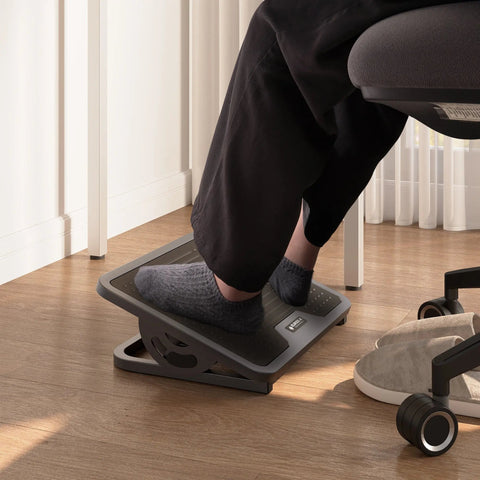
For participants on the shorter end of the anthropometric scale (5th percentile), a high-set boardroom chair may leave their feet dangling, which compresses the thighs and reduces blood circulation. Providing a Footstool with Wheels allows these users to maintain a neutral posture and distribute their weight effectively.

3. Monitor and Visual Ergonomics
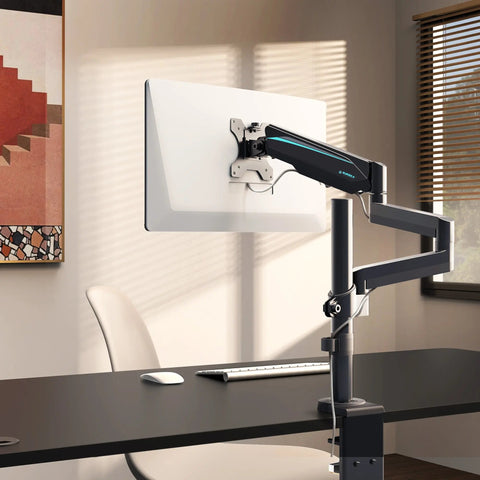
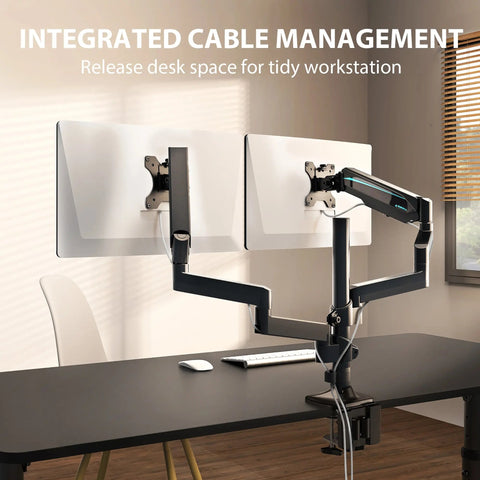
In modern boardrooms with shared screens, the OSHA eTools for Monitors recommend that the top of the screen be at or slightly below eye level. This prevents neck strain caused by looking up at high-mounted televisions.
Maintenance and Lifecycle Management
The long-term cost of ownership differs by material:
- Leather: Requires semi-annual conditioning. Without it, the leather will lose its suppleness and crack, particularly in high-rise offices with low humidity.
- Mesh/Fabric: Requires regular vacuuming to remove dust that can settle in the weave. Spills must be addressed immediately with professional-grade extractors.
For a deeper dive into the engineering behind these spaces, we recommend consulting The 2026 Workstation White Paper: Converging Ergonomic Science and Sustainable Engineering.
Summary of Material Selection
| Feature | Leather (e.g., Serene) | Mesh/Fabric (e.g., Flex) |
|---|---|---|
| Thermal Comfort | Low (Heat Trapping) | High (Breathable) |
| Acoustic Dampening | Moderate | High (Fabric) / Low (Mesh) |
| Initial Impression | Prestigious / Formal | Modern / Functional |
| Maintenance | Conditioning Required | Vacuuming Required |
| Long-Session Focus | Potential for Fidgeting | Optimized for Cooling |
By shifting the focus from "what looks the best" to "what supports the human body best," corporate procurement teams can transform the boardroom from a place of endurance into a center of high-performance collaboration.
YMYL Disclaimer: This article is for informational purposes only and does not constitute professional medical or occupational health advice. Ergonomic needs vary significantly based on individual physical conditions. Individuals with pre-existing musculoskeletal conditions or chronic back pain should consult a qualified physiotherapist or ergonomic specialist before making significant changes to their workstation or seating setup.
Sources
- BIFMA G1-2013 Ergonomics Guideline for Furniture
- OSHA eTools: Computer Workstations - Neutral Working Postures
- ISO 9241-5:2024 Workstation layout & postural requirements
- Cochrane: Workplace interventions for reducing sitting at work (2018)
- WHO 2020 Guidelines on Physical Activity & Sedentary Behaviour
- The 2026 Workstation White Paper




Leave a comment