

A Procurement Checklist for Corporate Reception Upgrades
The corporate reception area is frequently described as the "face" of an organization. In a B2B context, this space performs a dual role: it serves as the primary touchpoint for high-value clients and acts as a full-time workstation for administrative staff. However, a recurring oversight in corporate procurement is the prioritization of visual impact over functional ergonomics. While a sleek marble desk may impress a visitor during a five-minute wait, the receptionist occupying that desk for eight or more hours may suffer from the cumulative effects of poor workstation design.
A high-performance reception upgrade must balance brand identity with the physiological needs of the human body. According to the U.S. National Institute for Occupational Safety and Health (NIOSH), musculoskeletal disorders (MSDs) account for approximately 34% of all lost workday injuries in office settings. For companies, this translates to high turnover, increased insurance premiums, and diminished productivity. This guide provides a rigorous procurement checklist grounded in industry standards like BIFMA and ISO to ensure your lobby overhaul is both aesthetically commanding and scientifically sound.
The Physiology of the Reception Desk: Beyond Aesthetics
The most significant health risk in a reception environment is "static load." Unlike more mobile roles, receptionists often remain anchored to their station to manage visitor flow and security. Prolonged static sitting leads to reduced blood circulation and increased pressure on the intervertebral discs.
When the body remains in a fixed position, the muscles must stay contracted to maintain posture, which restricts blood flow and leads to the buildup of metabolic waste products. This is the primary mechanism behind the "afternoon back pain" many office workers experience. To mitigate these risks, procurement teams should look toward engineering controls rather than just administrative suggestions (like "taking more breaks").
The OSHA eTools for Computer Workstations emphasize that a desk must allow for a "neutral working posture," where joints are naturally aligned and strain is minimized. This is best achieved through height adjustability.
The Sit-Stand Logic for Client-Facing Areas
Transitioning between sitting and standing is a proven method for reducing sedentary behavior. A systematic review by Cochrane (2018) found that sit-stand desks can reduce daily sitting time by 84 to 116 minutes. For a reception area, this requires a specialized solution that maintains a professional executive appearance while offering industrial-grade movement.
The Zen Pro Series, 87"/72" Executive Standing Desk with Cabinets Set represents the intersection of these requirements. In a high-traffic lobby, a dual-motor system is essential. Dual motors provide a higher weight capacity and, more importantly, a smoother, quieter transition that does not disrupt the professional atmosphere of the reception zone.
Logic Summary: The 20-8-2 Rule Our procurement recommendations are aligned with the Cornell University Ergonomics Web "20-8-2" rhythm: 20 minutes of sitting, 8 minutes of standing, and 2 minutes of moving or stretching. This cycle is estimated to maximize metabolic activity while preventing the fatigue associated with prolonged standing.

Material Selection: Durability Meets Brand Image
Corporate lobbies are high-traffic environments. Surfaces must withstand constant interaction with heavy packages, keys, and cleaning chemicals without losing their professional finish.
While real wood or glass are common choices, they often fail the "Total Cost of Ownership" (TCO) test due to high maintenance requirements. Real wood is susceptible to scratches and water rings, while glass requires constant cleaning to remove fingerprints. For a sustainable, low-maintenance alternative, sintered stone and high-pressure laminate (HPL) are preferred.
Sintered stone, featured in the Zen Pro Series, 87"/72" Executive Standing Desk with Cabinets Set, is manufactured under extreme pressure and heat, making it nearly impervious to scratches, heat, and stains. This ensures the desk maintains its "Day 1" appearance for years, protecting the company's capital investment.
| Material Feature | Sintered Stone | Real Wood | Tempered Glass |
|---|---|---|---|
| Scratch Resistance | Very High | Low | Moderate |
| Maintenance Level | Minimal | High (Oiling/Polishing) | High (Daily Wiping) |
| Chemical Resistance | High (Bleach/Alcohol) | Low | High |
| Durability Standard | BIFMA Abrasion Compliant | Varies | Risk of Shattering |
The Guest Experience: Psychology and Support
Visitor seating is often the first physical interaction a client has with your brand. The common mistake here is choosing "plush" or overly soft seating. While soft cushions feel comfortable for the first thirty seconds, they lack the structural support required for longer waits and tend to "sag" or lose their shape within months of use.
For high-traffic areas, procurement should specify guest seating with firmer cushions and higher foam density. This ensures the seat retains its shape and provides adequate support for the lumbar spine. Furthermore, all seating must meet ANSI/BIFMA X5.1 standards, which define the safety, durability, and structural adequacy of office chairs.
Storage and the "30% Buffer" Rule
A cluttered reception desk immediately signals a lack of organization to visitors. However, administrative paperwork in a corporate setting tends to expand over time. A professional procurement strategy must account for this growth.
A practical heuristic used by facilities managers is the 30% Buffer Rule: allocate at least 30% more filing and storage capacity than your current audit suggests you need. This prevents the eventual overflow of documents onto the desktop.
For executive-level reception areas, modular storage that matches the desk's aesthetic is vital. Solutions like the Ark ES, 71'' Display Bookshelf with Storage Cabinet, White provide a mix of open display space for brand literature and closed cabinetry for sensitive files.

Smaller, mobile storage units like the Ark ES, 29" File Storage Cabinet, White or the 19" File Storage Cabinet, Dark Walnut offer flexibility. These can be tucked under desks to provide immediate access to frequently used documents while maintaining a clean line of sight for the visitor.
Compliance and Safety Standards
When procuring furniture for a corporate environment, adherence to international standards is not just about quality—it is about liability and safety. Your checklist should include the following certifications:
- BIFMA G1-2013: This Ergonomics Guideline provides dimensions that accommodate the 5th to 95th percentile of the population. This "fits most" design logic is crucial for receptionists of different statures.
- UL 962: For height-adjustable desks, UL 962 certification ensures the electrical and mechanical systems are safe from fire and shock hazards.
- ISO 9241-5:2024: The latest International Standard for Workstation Layout provides the authoritative ranges for monitor angles and desk heights to minimize visual and physical fatigue.
As detailed in The 2026 Workstation White Paper: Converging Ergonomic Science and Sustainable Engineering, the convergence of compliance and design is what defines a modern corporate workspace.
The Procurement Checklist: A Step-by-Step Guide
To ensure a seamless upgrade, use the following checklist during your vendor evaluation phase:
-
Workstation Ergonomics
- [ ] Does the desk offer electric height adjustability (Dual-motor preferred)?
- [ ] Is there sufficient legroom (minimum 20 inches deep and 30 inches wide) according to OSHA guidelines?
- [ ] Does the receptionist's chair have independent lumbar support and adjustable armrests?
-
Material and Durability
- [ ] Are high-touch surfaces made of Sintered Stone or HPL?
- [ ] Does the furniture meet BIFMA abrasion and load-bearing standards?
- [ ] Is the finish resistant to medical-grade disinfectants?
-
Storage and Organization
- [ ] Has the 30% filing capacity buffer been applied?
- [ ] Is there a mix of "Privacy Cabinets" for sensitive documents and "Open Shelving" for brand materials?
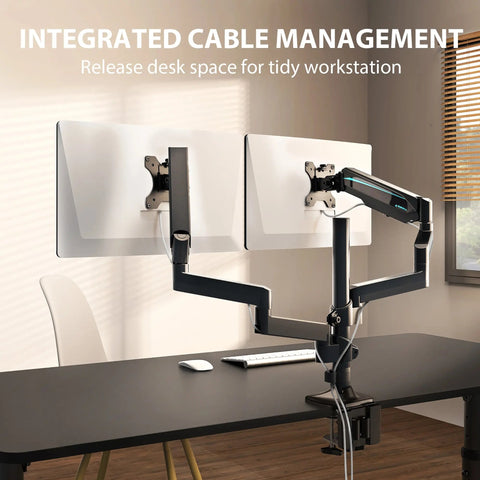
- [ ] Are cable management systems integrated to hide wires from visitor view?
-
Visitor Comfort
- [ ] Is guest seating firm (high-density foam) to prevent sagging?
- [ ] Are seats at a standard height (17-19 inches) for easy ingress and egress by elderly visitors?
Modeling the Total Cost of Ownership (TCO)
A common mistake is focusing solely on the "Upfront Purchase Price." However, the true cost of reception furniture includes maintenance, potential injury claims, and replacement cycles.
Method & Assumptions: TCO Modeling
- Model Type: 5-Year Lifecycle Sensitivity Analysis.
- Assumptions: High-traffic environment (10+ visitors/day), standard 40-hour work week for staff.
- Boundary Conditions: Does not include catastrophic accidental damage or relocation costs.
| Cost Parameter | Standard Grade (Office Store) | Commercial Grade (BIFMA/Sintered Stone) | Rationale |
|---|---|---|---|
| Initial Price | $500 - $800 | $1,500 - $3,000 | Higher material quality. |
| Replacement Cycle | 2 - 3 Years | 8 - 10 Years | Durability of HPL/Stone vs. Veneer. |
| Annual Maintenance | $50 (Touch-ups/Cleaning) | $10 (Simple Wiping) | Resilience of materials. |
| Productivity Impact | Moderate (Fatigue-related) | Low (Ergonomic support) | OSHA 25-60% injury reduction. |
| 5-Year Est. Total | ~$1,200+ (incl. 1 replacement) | ~$2,050 | Lower long-term churn. |
While the initial investment in a premium solution like the Zen Pro Series, 87"/72" Executive Standing Desk with Cabinets Set is higher, the amortized cost over five years is often lower due to the elimination of replacement cycles and the reduction in staff discomfort.
Creating a Brand-Centric Environment
The final layer of a successful procurement plan is the aesthetic alignment with your brand values. A reception area that looks disorganized or dated can subconsciously affect a client's trust. By integrating sleek, modern pieces like the Ark ES, 71'' Display Bookshelf with Storage Cabinet, White, you communicate a message of stability, attention to detail, and employee care.
Ultimately, the goal of a corporate reception upgrade is to create a space that works as hard as your team does. By prioritizing ergonomic science, material durability, and strategic storage, you ensure that your first impression is not just beautiful, but built to last.
References
- BIFMA G1-2013 Ergonomics Guideline for Furniture
- OSHA: Computer Workstations - Desks
- Cochrane: Workplace interventions for reducing sitting at work (2018)
- NIOSH: About Ergonomics and Musculoskeletal Disorders
- ISO 9241-5:2024 Workstation layout & postural requirements
- Cornell University Ergonomics Web — Workstation Guides
Disclaimer: This article is for informational purposes only and does not constitute professional medical, legal, or occupational health advice. Always consult with a certified ergonomist or healthcare provider when addressing specific workplace health concerns or pre-existing musculoskeletal conditions.
Summary: This article provides a comprehensive procurement checklist for B2B clients looking to upgrade corporate reception areas. It emphasizes the critical balance between brand aesthetics and the ergonomic needs of administrative staff. By citing authoritative sources such as OSHA, BIFMA, and ISO, the piece explains the physiological mechanisms of static load and how height-adjustable desks, like the Zen Pro Series, can mitigate musculoskeletal risks. Key practical recommendations include the "30% Buffer Rule" for storage, the "20-8-2" sit-stand rhythm, and the selection of high-durability materials like sintered stone. The article also includes a Total Cost of Ownership (TCO) model, demonstrating that investing in commercial-grade, ergonomic furniture provides superior long-term value compared to standard office-grade alternatives. This guide serves as a definitive resource for ensuring reception upgrades are safe, compliant, and professional.




Leave a comment