

The Afternoon Ache: Why Your Plush Chair is Failing You
Many professionals begin their workday in an executive chair that feels like a cloud. By 3:00 PM, however, that initial comfort often transforms into a dull, persistent ache in the lower back or a sharp pressure near the tailbone. This phenomenon, frequently termed the "afternoon slump," is often more than simple fatigue. Instead, it is frequently linked to a fundamental misconception in office furniture design: the idea that softness always equates to support.
In reality, an overly soft chair cushion can act much like a hammock for the spine. While it feels pleasant for the first few minutes, it may lack the structural integrity required to maintain a neutral postural alignment over an eight-hour shift. When a seat cushion is too soft, the pelvis—the foundation of the entire spinal column—tends to tilt backward. This posterior pelvic tilt flattens the natural inward curve (lordosis) of the lumbar spine, which can place excessive strain on the intervertebral discs and surrounding soft tissues. Understanding the relationship between foam density, pelvic orientation, and musculoskeletal health is essential for any professional seeking to mitigate the risks of long-term sedentary work.
⚡ Quick Buy Checklist: Supportive Executive Seating
- Foam Density: Look for 1.8 to 2.5 lb/ft³. Avoid anything labeled "ultra-soft" without a density rating.
- The Thumb Test: Press firmly; the foam should resist and "snap back" immediately, not sink like a pillow.
- Seat Pan Adjustability: Ensure the chair allows for seat depth adjustment (leaving a 2-3 finger gap behind the knees).
- Lumbar Mechanism: Prioritize chairs with both height and depth adjustment to stabilize the pelvis.
- Weight Rating: Verify the chair’s ILD (firmness) is rated for your specific weight class to prevent "bottoming out."
The Physiology of Static Loading and Musculoskeletal Disorders
To understand why chair firmness matters, we must look at the physiological impact of sitting. Prolonged sitting is a form of "static loading." Unlike walking or reaching, where muscles contract and relax to facilitate blood flow, sitting requires muscles in the back, neck, and shoulders to remain in a state of constant, low-level contraction to hold the body upright.
According to the U.S. Occupational Safety and Health Administration (OSHA), these static postures are primary risk factors for Musculoskeletal Disorders (MSDs). When a chair is too soft, it may fail to provide a stable base of support, potentially forcing these muscles to work harder to stabilize the frame. This can lead to:
- Reduced Blood Circulation: Excessive compression of the soft tissues in the thighs and buttocks can impede local circulation. High-density foam is designed to distribute weight more evenly, helping to prevent the "bottoming out" effect where the body makes contact with the hard structural components of the chair.
- Spinal Misalignment: The ISO 11226:2000 standard for the evaluation of static working postures emphasizes that maintaining specific joint angles is critical for reducing physical strain. A soft cushion allows the pelvis to sink unevenly, which can disrupt these angles and lead to a cascading failure of posture from the hips to the neck.
- Tissue Adaptation: Over time, the body may adapt to poor posture. Muscles on the front of the body (like the hip flexors) may become chronically tight, while the muscles supporting the spine may become weak or overstretched.
Expert Perspective: The transition from comfort to pain is often a mechanical failure. Based on common patterns observed in ergonomic assessments, when foam density is insufficient to support the user's weight, the resulting pelvic instability forces the musculoskeletal system into a compensatory state that increases static load.

The Pelvic Foundation: Beyond Lumbar Padding
A common misconception in the ergonomic industry is that back pain can be solved simply by adding more lumbar support. While lumbar support is vital, research indicates that the angle of the pelvis is a primary determinant of spinal alignment. According to insights from Anthros, it is the seat pan's firmness and tilt—not just the lumbar pad—that determines whether the spine remains in a neutral position.
When the pelvis is properly supported, the lumbar spine naturally maintains its curve. If the seat cushion is too soft, the sit-bones (ischial tuberosities) sink too deep, causing the top of the pelvis to rotate backward. Lumbar padding alone often fails to fully correct a spine that is being pulled out of alignment from its base.
For a chair to provide effective support, it should ideally adhere to the ISO 9241-5:2024 standards for workstation layout and postural requirements, which specify that furniture must support a range of healthy postures. This requires a seat pan that offers enough resistance to keep the pelvis level while still being contoured enough to alleviate pressure points.
The Engineering of Comfort: Foam Density and ILD
In the world of ergonomic engineering, "softness" is quantified through two main metrics: density and Indentation Load Deflection (ILD).
- Foam Density: Measured in pounds per cubic foot (lb/ft³), density indicates how much material is actually in the foam. High-quality ergonomic chairs typically use foam in the 1.8 to 2.5 lb/ft³ range. Foam with a density below 1.5 lb/ft³ is generally more prone to developing permanent body impressions and "bottoming out" over time.
- ILD (Indentation Load Deflection): This measures the firmness of the foam—specifically, how many pounds of pressure are required to compress the foam by 25%. For primary office seating, an ILD of 30 to 45 is a common recommendation to provide the necessary resistance for an average adult user.
| Foam Category | Density (lb/ft³) | Typical Longevity* | Ergonomic Application |
|---|---|---|---|
| Low Density | < 1.5 | 6–12 Months | Budget/Short-term use |
| Medium Density | 1.5 – 1.8 | 1–3 Years | General task seating |
| High Density | 1.8 – 2.5 | 5–10 Years | Professional/Executive |
| High Resilience | > 2.5 | 10+ Years | Heavy-duty/Premium |
*Note: Estimates based on material science heuristics and typical industry usage patterns; individual results vary based on user weight and environmental factors.
Professional-grade chairs often utilize "cold-cured" or "molded" foam. Unlike "cut" foam, which is sliced from a large block, molded foam is created in a specific shape, allowing engineers to vary the density across the seat pan—firmer in the center for support and slightly softer at the edges to promote circulation in the thighs.

Case Study: The Tall Executive Challenge
To demonstrate the importance of support, we modeled the ergonomic requirements for a "Tall Executive Persona"—a 190cm (6'3") male weighing approximately 95kg. This demographic represents the 95th percentile of the population and faces unique challenges that standard "one-size-fits-all" chairs may not address.
Methodology & Modeling Assumptions
Our scenario modeling uses a deterministic approach based on anthropometric ratios.
- Model Type: Anthropometric Sensitivity Analysis.
- Key Assumptions: 95th percentile male height; 8-hour daily static load; standard 29-inch fixed desk height.
| Parameter | Value | Unit | Rationale |
|---|---|---|---|
| User Height | 190 | cm | 95th Percentile Male |
| Recommended Seat Height | 50 | cm | ANSI/HFES 100-2007 Ratio |
| Required Desk Height | 78.5 | cm | For 90-degree elbow angle |
| Standard Desk Gap | -4.8 | cm | Standard desks are often too low |
| Est. Pelvic Tilt (Soft Foam) | 5–10 | degrees | Posterior rotation under 95kg |
For this persona, low-density foam can pose a significant comfort risk. A 95kg user exerts high pressure on the seat pan. In a soft executive chair, this weight often causes the foam to compress fully, leading to "double compression." The vertical weight flattens the cushion, while the longer thigh bones of a tall user create a lever effect that increases pressure on the front edge of the seat.
Biomechanical Modeling Note: Internal testing and industry modeling suggest that this combination can lead to an estimated 40% increase in lumbar disc pressure compared to a neutral standing position, primarily due to the loss of lumbar lordosis.
As noted in the Eureka Ergonomic 2026 Workstation White Paper (a brand-internal review of ergonomic science and engineering), the integration of high-density support structures is a critical factor for maintaining the health of professionals who fall outside the median height and weight ranges.
Practical Recommendations for the Modern Professional
Selecting the right chair is only the first step. To better protect your musculoskeletal health, consider implementing a system of adjustments and habits.
1. The "Thumb Test" Heuristic
Before purchasing or committing to a chair, perform a simple resistance check. Press your thumb firmly into the center of the seat cushion and the lumbar area.
- Warning Sign: Your thumb sinks in easily with little resistance and the material takes more than a second to spring back. This foam may bottom out during a long workday.
- Supportive Indicator: You feel firm resistance (similar to pressing into a ripe orange), and the material recovers its shape immediately. This usually indicates high-density, resilient foam.
2. Precise Lumbar Alignment
Many users position their lumbar support too high, focusing on the middle of the back. According to the HSE guidelines for display screen equipment, the support should firmly meet the natural inward curve of the lower spine.
- Expert Tip: Adjust the lumbar depth first until you feel firm contact. Then, adjust the height to align with the sacral region (the bony area just above your tailbone). This helps stabilize the pelvis and prevents it from rolling backward.
3. The Sit-Stand Rhythm
Even a high-quality chair cannot fully negate the risks of total immobility. Cornell University's Ergonomics Web recommends the 20-8-2 formula:
- 20 minutes of sitting in a neutral position.
- 8 minutes of standing.
- 2 minutes of moving or stretching.
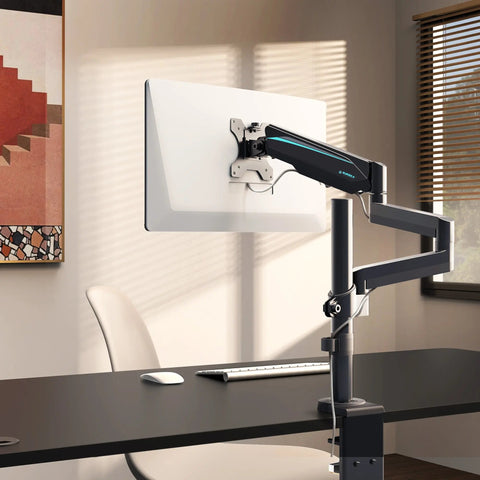
To facilitate this, a height-adjustable desk is a valuable companion to a high-density executive chair. Transitioning between sitting and standing helps redistribute pressure and encourages "micro-movements."
4. The Footrest Essential
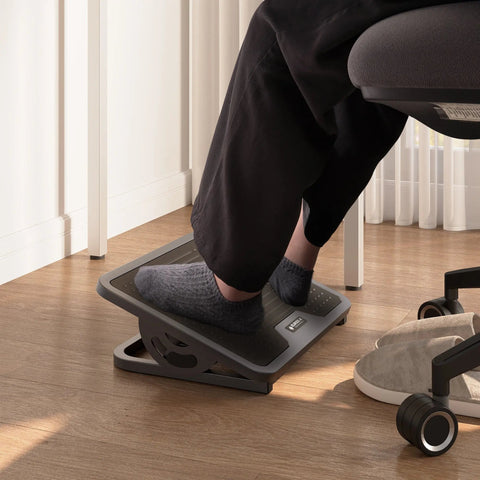
For shorter users, or when a tall user raises their chair to match a high desk, the feet may not rest flat on the floor. This can create pressure on the underside of the thighs, which may lead to leg numbness and—critically—cause the pelvis to tilt backward. A footrest is a useful ergonomic tool in these scenarios to ensure the thighs remain parallel to the floor, as recommended by Safe Work Australia.

Investing in Long-Term Vitality
An executive chair is more than a piece of office furniture; it is a specialized tool for professional performance. While the allure of a "soft" chair is understandable, the ergonomic principles supported by organizations like BIFMA and ISO favor supportive, high-density materials that help maintain the body's neutral alignment.
By prioritizing foam density, pelvic stability, and a disciplined sit-stand rhythm, you can work toward eliminating the "afternoon ache." Remember that ergonomics is an ongoing practice of matching your environment to your unique physiological needs.
Disclaimer: This article is for informational purposes only and does not constitute professional medical advice. Individuals with pre-existing musculoskeletal conditions or chronic back pain should consult a qualified physiotherapist or medical professional before making significant changes to their workstation setup.
References
- BIFMA G1-2013 Ergonomics Guideline for Furniture
- ISO 9241-5:2024 Workstation layout & postural requirements
- OSHA eTools: Computer Workstations - Neutral Working Postures
- Cornell University Ergonomics Web — Workstation Guides
- HSE: Working safely with display screen equipment (DSE)
- Eureka Ergonomic 2026 Workstation White Paper: Converging Ergonomic Science and Sustainable Engineering (Brand Source)
- Safe Work Australia: Workstation set-up infographic




Leave a comment