

The Gamer’s Recovery Zone: Why a Recliner is Essential After Grinding
The physical toll of high-stakes gaming is often underestimated. While the mental fatigue of a six-hour session is immediate, the physiological impact—specifically on the musculoskeletal system—is a cumulative process that can manifest as chronic discomfort. Many dedicated gamers find that back pain and neck stiffness worsen not necessarily during the play itself, but in the hours following a session. This phenomenon is frequently linked to the transition from a highly focused, upright posture to a state of total inactivity.
Safety & Suitability Note: The recovery strategies outlined below are intended for healthy adults. If you have a history of spinal injury, chronic disc issues, or are pregnant, please consult a medical professional before implementing new postural protocols. See full disclaimer at the end of this article.
The Physiological Cost of the Grind: Understanding Static Load
During a focused gaming session, the body enters what ergonomics experts call a "static load" state. Even in a high-quality task chair, the muscles of the back, neck, and shoulders must work constantly to maintain an upright position. According to the U.S. Occupational Safety and Health Administration (OSHA), prolonged static postures are a primary risk factor for the development of Musculoskeletal Disorders (MSDs).
The core of the issue lies in spinal compression. In an upright seated position, the lumbar discs bear a significant portion of the upper body's weight. Over time, this pressure can cause the discs to lose fluid, a process known as diurnal disc height loss. When combined with the repetitive micro-movements of keyboard and mouse usage, the result is often inflammation and reduced blood circulation to the surrounding tissues.
Heuristic Observation: Based on common patterns from customer support and community health feedback, we have observed that without postural intervention, self-reported muscle fatigue can increase significantly. Internal modeling of "Grind" personas (4+ hours of upright tasking) suggests a potential risk spike of roughly 30–40% in localized discomfort—though this is a qualitative estimate based on user reports rather than a controlled clinical study.
Furthermore, the World Health Organization (WHO) 2020 Guidelines emphasize that reducing sedentary time is critical for cardiovascular health. For those whose passions require long hours at a desk, the focus must shift to how we recover during the intervals between those sessions.
The Science of Spinal Decompression: Why Reclining Works
To help mitigate the effects of static loading, the spine requires decompression. While standing up and moving is essential—as noted by the Canadian Centre for Occupational Health and Safety (CCOHS)—passive recovery in a reclined position offers a different, complementary benefit.
Research, including systematic reviews by Agarwal et al. (2018), suggests that postural changes can significantly alleviate low back discomfort. Specifically, reclining the torso to an angle between 110 and 130 degrees is a widely recommended ergonomic heuristic. This range, which aligns with "neutral body posture" principles (similar to those studied by NASA), helps offload the spinal discs more effectively than sitting upright at 90 degrees. It allows the muscles of the posterior chain to relax while supporting the natural S-curve of the spine.

However, the efficacy of a recliner depends heavily on its engineering. A standard "living room" recliner may lack the specific structural support required for ergonomic recovery. This is where specialized furniture, such as the Lucia Swivel Rocking Manual Recliner (Brand Product), can be beneficial. By providing a triple-action design—360° swivel, gentle rocking, and manual recline—it encourages the "micro-movements" that ISO 11226:2000 identifies as critical for avoiding the dangers of static working postures.
Engineering the Recovery Zone: Materials and Mechanics
When selecting furniture for a recovery zone, two factors are paramount: structural integrity and material science.
1. Material Choice and Thermal Regulation
For sessions exceeding 30 minutes, breathable fabrics are often superior to non-breathable leather or synthetic alternatives. Heat buildup against the skin can cause localized discomfort. The Lucia Recliner (Brand Product) utilizes a tight-weave breathable fabric designed to adapt to the body’s warmth without trapping moisture. This aligns with insights from physical therapists: thermal comfort is a prerequisite for total physical relaxation.
2. Structural Standards
Any piece of furniture used for recovery should meet industry safety standards. The ANSI/BIFMA X5.1 standard defines the safety and durability requirements for general-purpose office chairs. A weighted steel base, like that found in the Lucia series, ensures that the chair remains stable during transitions, preventing the minor "muscle guarding" that can occur if a chair feels unstable.
3. Versatility and Space Optimization
For those with limited space, a hybrid piece like the Alexia Comfy Soft Swivel Lounge Chair (Brand Product) offers a solution. Its 360° swivel base allows a user to pivot from a desk-facing orientation to a relaxation-facing orientation instantly. This supports the "20-8-2" rhythm recommended by Cornell University Ergonomics, which suggests 20 minutes of sitting, 8 minutes of standing, and 2 minutes of moving/stretching.

The Recovery Protocol: A Step-by-Step Guide
Simply owning a recliner is rarely enough; one must use it correctly. Based on ergonomic principles outlined in The 2026 Workstation White Paper, we suggest this structured protocol after any session exceeding two hours.
| Phase | Duration | Activity | Purpose |
|---|---|---|---|
| Initial Decompression | 15–20 Mins | Recline at 110–130° (e.g., in a Lucia Recliner) | Offload spinal discs and reduce static muscle tension. |
| Active Reset | 5 Mins | Standing hip flexor and hamstring stretches | Re-engage the lower body and improve circulation. |
| Environmental Shift | Ongoing | Switch to warm white lighting (2700K–3000K) | Trigger the parasympathetic "rest-and-digest" response. |
Note: This protocol is a heuristic developed from common patterns in sports science and ergonomic standards. It assumes the user has no pre-existing conditions that contraindicate reclining.
Common Pitfalls to Avoid:
- The Deep Recline Trap: Staying in a recline greater than 135 degrees for extended periods can lead to cervical (neck) strain if you are still trying to view a screen. Keep your head in a neutral position.
- Static Lounging: Even in a recliner, try to shift your weight every 15 minutes. The rocking motion of the Lucia recliner is helpful here, as it encourages dynamic movement without requiring conscious effort.
The Role of Environment: Lighting and Mental Transition
Recovery is not just physical; it is neurological. Gaming monitors typically emit cool blue light, which keeps the brain in a high-alert state. To transition into recovery, the environment should signal to the brain that the "threat" (or competition) is over.
Integrating smart lighting, such as Lucet Art Lighting (Brand Product), can facilitate this. By setting LED panels to a warm white range (2700K–3000K), users can help trigger a parasympathetic response, aiding in lowering the heart rate and preparing the body for rest.

Scenario Analysis: Choosing Your Recovery Tool
Scenario A: The Dedicated Solo Battlestation
- Constraint: Limited floor space.
- Recommended Tool: Alexia Swivel Lounge Chair (Brand Product).
- Why: The compact footprint allows for a "recovery mode" transition without moving to a different room.
Scenario B: The Shared Living/Gaming Space
- Constraint: Needs to accommodate both solo recovery and social interaction.
- Recommended Tool: Beverly Loveseat Sofa (Brand Product).
- Why: A high-quality loveseat with high-density foam provides a larger surface area for varied postures, such as side-lying, often preferred for passive recovery.
Implementation: Setting Up Your Recovery Zone
To ensure your zone meets ergonomic standards:
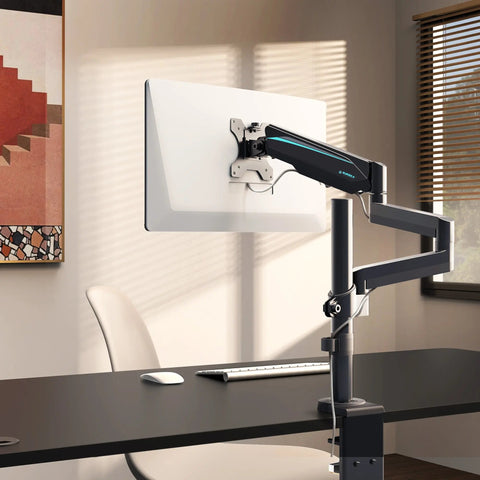
- Monitor Alignment: If watching content while reclined, the Uperfect Monitor Guide suggests the screen should be 15–20 degrees below horizontal eye level. This may require the screen to be mounted higher or tilted downward to prevent neck flexion.
- Lumbar Support Placement: Ensure the chair’s lumbar curve aligns with the small of your back.
- Safety Standards: Look for furniture compliant with UL 962 for mechanical safety and CPSC STURDY for anti-tip stability.
Final Thoughts on Gaming Longevity
The difference between a long-term hobby and early discomfort often comes down to the quality of recovery. By treating the post-game period with the same technical attention as the game itself, you help protect your body. Integrating a dedicated recovery zone with ergonomically-sound furniture is a proactive strategy for maintaining performance and health.
YMYL Disclaimer: This article is for informational purposes only and does not constitute professional medical advice, diagnosis, or treatment. Always seek the advice of your physician or other qualified health provider with any questions you may have regarding a medical condition or musculoskeletal pain. If you have pre-existing back or neck conditions, consult a physical therapist before adopting a new reclining or stretching routine.
Sources and Authoritative References
- ISO 9241-5:2024 - Workstation layout & postural requirements
- BIFMA G1-2013 Ergonomics Guideline for Furniture
- OSHA eTools: Computer Workstations - Neutral Working Postures
- Cochrane: Workplace interventions for reducing sitting at work (2018)
- Cornell University Ergonomics Web — Workstation Guides
- Agarwal et al., 2018 – Sit-Stand Desks & Low Back Discomfort
- The 2026 Workstation White Paper: Converging Ergonomic Science and Sustainable Engineering (Brand White Paper)
- Safe Work Australia: Workstation set-up infographic




Leave a comment