

The Foundation of Focus: Why Your Child's Desk and Chair Size Matters
Finding furniture that fits a growing child can be challenging. One year, their feet dangle endlessly from their chair; the next, their knees are bumping up against the underside of their desk. This constant change often leads parents to purchase furniture that a child can "grow into." However, this common approach can inadvertently contribute to poor posture, discomfort, and difficulty concentrating during homework and creative projects.
An ill-fitting workstation forces a child's body into unnatural positions. A chair that is too high can put pressure on the back of the knees, while one that is too low can cause slouching. Similarly, a desk at the wrong height can lead to hunched shoulders or strained wrists. According to the U.S. Occupational Safety and Health Administration (OSHA), maintaining awkward postures is a primary risk factor for developing musculoskeletal disorders (MSDs). While often associated with adults in office environments, these principles are just as critical for children, whose bodies are still developing.
Research consistently shows a significant mismatch between students and their furniture. Studies have found that a staggering 70–95% of school-aged children use desks and chairs that are improperly sized for their bodies. This mismatch is not just a matter of comfort; it can directly impact a child's health and ability to learn. By providing a properly sized and adjustable workspace, you create an environment that supports their physical well-being and fosters better focus. This guide provides clear, measurement-based steps for selecting a desk and chair that are perfectly sized for your child today and can adapt for the years to come.
Sizing It Right: The 3 Core Measurements for an Ergonomic Chair
Before even considering a desk, the chair must be the correct size. The chair dictates the foundational posture from which all other measurements are derived. Getting this right is the most critical step. Instead of relying on age ranges, use a tape measure to get precise figures for your child.
How to Measure for the Perfect Fit
Have your child sit on a flat surface or a simple stool with their feet flat on the floor and their knees bent at approximately a 90-degree angle. Ensure they are sitting upright without shoes on for the most accurate measurements.
- Popliteal Height (Seat Height): Measure the vertical distance from the floor to the crease behind their knee. The ideal seat height should be about 88-95% of this measurement, allowing their feet to rest firmly on the floor without the seat edge pressing into the back of their thighs.
- Thigh Length (Seat Depth): Measure the horizontal distance from the back of their buttocks to the back of their knee. The seat depth should be about 10-15% shorter than this length. This ensures the child can sit with their back fully against the backrest while leaving a gap of two to three fingers between the front edge of the seat and the back of their knees. This space is crucial to avoid pressure on nerves and blood vessels.
- Elbow Rest Height (Armrest Height): With your child’s shoulders relaxed and their elbows bent at a 90-degree angle, measure the distance from the seat surface to the bottom of their elbow. This is the ideal height for armrests, which should support the forearms without causing the shoulders to shrug.
| Measurement | How to Measure | The Ergonomic Goal |
|---|---|---|
| Seat Height | Vertical distance from the floor to the crease behind the knee. | Feet flat on the floor, thighs parallel to the ground. The seat should be set at 88-95% of the popliteal height. |
| Seat Depth | Horizontal distance from the back of the buttocks to the back of the knee. | Full back support with a 2-3 finger gap between the seat edge and the back of the knees. The seat depth should be 85-90% of the thigh length. |
| Armrest Height | Vertical distance from the seat to the bottom of the elbow (arms at 90°). | Shoulders are relaxed and not hunched; forearms are gently supported. |
Debunking a Common Myth: "They'll Grow Into It"
A common misconception is that buying an oversized chair or desk is a smart long-term investment. In reality, this forces a child into poor postural habits from the start. A chair that is too deep prevents a child from using the backrest for support, leading them to slouch forward. A seat that is too high leaves their feet dangling, causing instability and discomfort. These issues are not minor; they establish neuromuscular patterns that can persist into adulthood. The most effective long-term solution is not an oversized piece of furniture, but an adjustable one that can adapt to their growth.
From Sitting to Standing: Setting the Ideal Desk Height
Once the chair is correctly adjusted and your child's feet are flat on the floor, you can determine the proper desk height. The goal is to create a neutral wrist and shoulder posture.
Finding the Right Surface Height
Have your child sit in their correctly adjusted chair and bend their elbows to a 90-degree angle, keeping their forearms parallel to the floor. The top of the desk or work surface should be at or slightly below their resting elbow height.
- For Writing and Reading: A surface level with the elbow height is generally effective.
- For Typing: A surface that is 2-3 cm below elbow height can help maintain a neutral wrist position, reducing the risk of strain. This is where an under-desk keyboard tray can be particularly beneficial.
This is where an adjustable-height desk becomes invaluable. A desk that can move up and down accommodates growth spurts, different tasks, and even different users in a shared family space. For teenagers, a versatile standing desk like the Ark EL Executive Standing Desk (60"x26") provides a solution that can serve as a homework station and adapt with them through high school, college, and beyond. Its broad adjustment range ensures it can be set to the perfect ergonomic height for both sitting and standing.

Expert Warning: The Standing Desk Guideline for Kids
While standing desks offer benefits by reducing sedentary time, the approach for children is different than for adults. Continuous standing can be tiring for younger bodies. It is best to introduce standing periods gradually. Start with 10-20 minute intervals and encourage frequent changes in posture. The key is not prolonged standing, but regular movement. The World Health Organization's guidelines emphasize the importance of interrupting long periods of static behavior for all ages.
Completing the Setup: Essential Ergonomic Accessories
A healthy workstation involves more than just a desk and chair. The placement of monitors, keyboards, and other tools is equally important for maintaining a neutral posture.
Monitor and Screen Placement
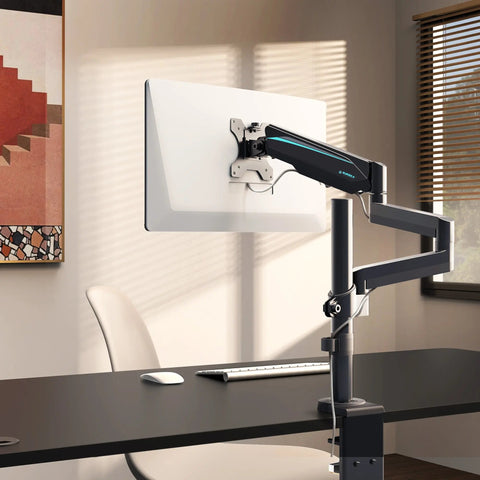
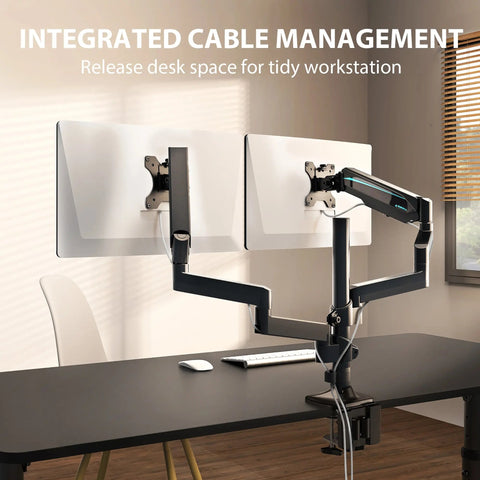
The top of the computer monitor or laptop screen should be positioned at or slightly below eye level. The screen should also be about an arm's length away. This placement prevents the head from tilting up or down, which is a common cause of neck strain. If the monitor is too low, use a stable riser or a stack of books to elevate it.
Keyboard and Mouse Position
The keyboard should be positioned directly in front of the user, with the mouse placed right beside it. Reaching for input devices can strain the shoulder and arm. For a more refined setup, a Pull-out Keyboard Tray can be an excellent addition. It allows the keyboard to be positioned closer to the user and at a lower height than the main desk surface, promoting a more natural and relaxed posture for the wrists and shoulders.

The Critical Role of a Footrest
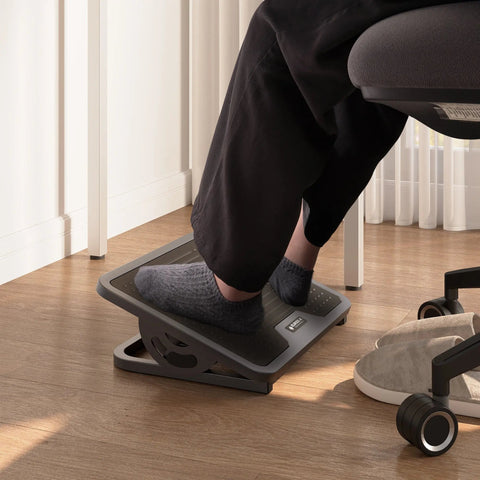
If your child's feet cannot rest flat on the floor even after adjusting their chair, a footrest is not optional—it's essential. Dangling feet create instability and pressure points. An adjustable footrest is the best option, as it can be set to the precise height needed. According to ergonomic specialists, an ideal footrest should be wide enough to support both feet and deep enough to support the entire forefoot. Makeshift solutions like stacked books are often unstable and can create new postural problems.
Wrapping Up: Your Checklist for a Healthy Homework Station
Choosing the right furniture for your child is an investment in their long-term health and academic success. An ergonomic setup reduces physical strain, which in turn helps improve focus and endurance for learning. By moving beyond generic size charts and using your child's unique measurements, you can create a space that truly supports them.
Key Takeaways Checklist:
- Measure First: Always measure your child's popliteal height, thigh length, and elbow rest height before shopping.
- Chair is Priority: Adjust the chair first so your child's feet are flat on the floor and their back is supported.
- Desk Follows Chair: Set the desk height to be level with your child's resting elbows.
- Embrace Adjustability: Choose adjustable furniture that can grow with your child and accommodate different tasks.
- Support the Feet: If feet don't reach the floor, use a dedicated, stable footrest.
- Encourage Movement: Remind children to change postures frequently, incorporating short standing breaks if using an adjustable desk.
Frequently Asked Questions (FAQ)
What if my child is between standard sizes? This is precisely why adjustable furniture is the recommended solution. An adjustable chair and desk can be fine-tuned to the exact dimensions your child needs, eliminating the compromises that come with fixed-height furniture.
Are gaming chairs a good option for homework? While some gaming chairs offer adjustability, many are designed with aesthetics that prioritize a "racing seat" style over fundamental ergonomic principles. Focus on chairs that offer certified adjustability for seat height, depth, and armrests, regardless of their marketing category.
How often should my child switch between sitting and standing? For children and teens, a good starting point is to follow a pattern similar to the "20-8-2" rule suggested by researchers at Cornell University, but adapted for their needs: 20 minutes of sitting, followed by 8 minutes of standing, and 2 minutes of moving or stretching. The most important thing is to avoid static postures for extended periods.
Disclaimer: This article is for informational purposes only and does not constitute professional medical advice. The information provided is intended to support, not replace, the relationship that exists between a reader and their existing physician or physical therapist. Always seek the advice of a qualified health provider with any questions you may have regarding a medical condition. Particular attention should be paid if your child has a pre-existing musculoskeletal condition.
References
- OSHA eTools: Computer Workstations
- World Health Organization. (2020). WHO 2020 Guidelines on Physical Activity and Sedentary Behaviour.
- Cornell University Ergonomics Web. (n.d.). Workstation Guides.
- Agha, S. R. (2010). School furniture dimensions and anthropometric measures in a primary school in Gaza.




Leave a comment