

A Guide to Popular Sofa & Loveseat Fabric Types
Key Takeaways
- Best all-around for busy homes: Performance polyester and microfiber fabrics often handle stains and daily wear better than many untreated natural fabrics, especially in homes with kids or pets.
- When to choose velvet: Synthetic velvets give a luxurious look with moderate maintenance; they work well if you want a strong visual focal point and do not mind regular lint-rolling in homes with pets.
- Natural-fiber look, easier care: Blends that combine synthetic and natural fibers (for example, polyester with cotton or linen) can offer a more balanced mix of durability, cleanability, and comfort than 100% natural fabrics.
- Durability benchmarks (reference ranges): For everyday home use, many textile suppliers classify around 15,000+ Wyzenbeek/Martindale double rubs as typical residential-grade and 30,000+ as typical contract/commercial-grade. Higher numbers generally indicate stronger wear resistance.
- Maintenance basics: Regular vacuuming, quick blotting of spills, gentle spot-cleaning, and cushion rotation usually do more for fabric life than any special treatment.
Disclosure: This guide is published by an independent ecommerce brand and includes links to our own products. When we reference product performance, it is based on manufacturer specifications, internal testing, or common customer-support patterns, not formal lab studies, unless stated otherwise.
Imagine a home office that transcends the boundaries of a mere workstation—a true Workspace Sanctuary where every element, from the desk to the seating, supports your focus. In this kind of space, your choice of furniture isn't just about utility; it is about creating an emotional resonance that supports both your workflow and your well-being.
Selecting the right fabric for your sofa or loveseat is a pivotal step in this transformation. Whether you are carving out a reading nook for mindfulness or adding a secondary seating area for collaborative thinking, the material you choose influences the longevity, comfort, and aesthetic of your sanctuary. From the opulent touch of velvet to the breathable grace of linen, understanding the basics behind these textiles helps you build a home that is as durable as it is beautiful.
The Foundation of Fabric: Understanding Durability and Flow
Before we dive into specific textures, it helps to understand the technical "why" behind fabric selection. A common pattern we see in customer questions is choosing a fabric based solely on its visual appeal without considering a simple rule of thumb: durability, cleanability, and comfort all matter.
Heuristic: The Three-Factor Rule
Think of durability, cleanability, and comfort as a three-factor checklist rather than a strict standard. This rule of thumb works best for typical home settings: a living room, den, or home office that sees daily but not commercial-level traffic. In very high-traffic, humid, or heavily pet-populated environments, you may need to prioritize durability and cleanability even more.
In professional interior and furniture design, durability is often measured by tests such as the Wyzenbeek or Martindale test, which record "double rubs"—a mechanical arm rubbing back and forth over the fabric until it shows signs of wear.
For a high-traffic living space or a home office used daily, many manufacturers treat fabrics with roughly 30,000+ double rubs as suitable for heavier residential or light contract use, and 50,000+ and above as more firmly in the performance or contract category.
Methodology Note (Reference Values): The rub-count ranges in this article are based on common textile-industry practice and fabric supplier classifications for residential vs. contract-grade upholstery, along with typical manufacturer specifications. They are reference ranges, not guarantees of a specific lifespan, because actual wear depends heavily on use patterns, cleaning methods, pets, and environmental conditions.

Velvet: The Pinnacle of Opulence and Depth
There is something inherently motivating about the lustrous sheen of velvet. It evokes a sense of "Modern Luxury" that can anchor a room with visual impact. Velvet isn't just a fabric; it’s a shift in energy. When you sit on a piece like the Beverly, Loveseat Sofa, 2 Seater, the deep navy velvet and rose gold accents create a focal point that encourages a more intentional mindset.
Velvet is unique because its pile—the upright fibers—reflects light differently depending on the angle, giving the piece a sense of movement and depth. While traditionally associated with high-maintenance luxury, many modern synthetic velvets (often made from polyester) are designed to be more resilient.
The Beverly, Loveseat Sofa, 2 Seater uses a polyester velvet with a performance finish and specified double-rub rating in its manufacturer documentation, aimed at resisting pilling and helping reduce sun fading under normal indoor conditions. This kind of construction helps your sanctuary maintain its aesthetic with regular care.
Expert Insight (Experience-Based): In our customer-support and showroom experience, velvet is a strong choice for people who want to visually "declutter" a room. Because the fabric itself is so rich in texture, it often needs fewer decorative accessories to make a statement. A common trade-off is pet hair: the dense pile tends to trap fur more easily than flat weaves. If you share your sanctuary with a furry friend, keep a lint roller or upholstery brush nearby to maintain that pristine look.
The Science of Performance: Polyester and Microfiber
For those who prioritize a "Workflow" that includes children, pets, or the occasional coffee spill, polyester and microfiber are practical workhorses. According to Wikipedia's entry on Polyester, these fibers are inherently hydrophobic, meaning they tend to resist absorbing liquids.
Microfiber, a specific type of ultra-fine polyester, offers a soft, suede-like feel with notable stain resistance. It is often recommended by retailers and upholsterers for active households. Based on common maintenance patterns we see, microfiber usually responds well to straightforward cleaning methods. For instance, baking soda is frequently used to help lift odors and dirt from the fine fibers without harsh scrubbing.
Logic Snapshot (Estimate): Because polyester has a low moisture regain rate (often cited around ~0.4% in textile references), it generally takes on less water than many untreated natural fibers. As a practical result, many users find that stains on polyester-based fabrics release more easily during cleaning. This is a qualitative estimate, not a lab-measured percentage for every fabric, and actual performance varies with the specific weave, finish, and cleaning method.
This combination of spill resistance and easier cleaning makes polyester and microfiber popular choices when you want stronger "engineering control" over everyday messes in the home, echoing the general principle of reducing hazards at the source discussed in resources like OSHA's Solutions to Control Hazards.
Natural Fibers and the 70/30 Rule
Linen and cotton bring a sense of "inspiration" through their organic textures and breathability. They are well-suited to creating a relaxed, mindfulness-oriented space. However, 100% natural fibers can be more prone to wrinkling and may need professional or carefully guided cleaning on a periodic basis.
To balance look and practicality, many shoppers and designers lean on a 70/30-style blend—for example, a fabric that is mostly synthetic with a smaller portion of natural fiber.
Heuristic: The 70/30 Rule of Blends
In this guide, the "70/30 rule" is a rule of thumb, not a strict formula. The idea is to aim for a fabric that is primarily synthetic (often somewhere around two-thirds or more) for durability and cleanability, with a smaller proportion of natural fibers (around one-third or less) to add texture and breathability. This approach tends to work well for typical family living rooms and home offices. In very hot climates or very light-use guest rooms, you might tolerate higher natural-fiber content; in homes with multiple pets or heavy daily use, you may want an even higher synthetic percentage.
This kind of hybrid approach can help your seating stay supportive while still feeling pleasant against the skin. When you are switching between "thinking" and "execution" modes, you want a material that supports your body without causing heat buildup, yet is still practical to maintain.
For those looking to add a splash of color and avant-garde design, the Lounge Chair-Red Yellow & Blue Yellow Stripe utilizes an eco-fabric specified by the manufacturer as pilling-resistant and soft to the touch. It demonstrates how sustainable-leaning materials and high comfort can coexist when the fabric is chosen carefully.

Weaving Ergonomics into Your Seating
While fabric provides the tactile experience, the underlying structure provides the support. In our pursuit of the ultimate Workspace Sanctuary, we look to ergonomics guidelines such as BIFMA G1-2013 as general background to help furniture fit a wide range of users.
Even in a lounge setting, ergonomics matter. Proper seat depth and high-density foam cushions—like those used in many performance-oriented sofas—help distribute weight and reduce pressure points. This aligns with principles highlighted in the CCOHS guide on Sit/Stand workstations, which emphasizes that posture changes throughout the day are important for reducing sedentary fatigue.
| Fabric Type | Best For | Maintenance Level | Durability (Rub Count, Reference Range) |
|---|---|---|---|
| Velvet (Synthetic) | Luxury, Visual Impact | Moderate | ~30,000 - 50,000 (typical stated range for many residential performance velvets) |
| Microfiber | Pets, Children, High Use | Low | ~50,000+ (often positioned as performance or contract-oriented) |
| Linen Blends | Breathability, Aesthetics | Moderate/High | ~15,000 - 30,000 (common residential-grade range) |
| Performance Poly | Versatility, Stain Resistance | Low | ~50,000 - 100,000 (often used for higher-traffic settings) |
Table Note: These rub-count ranges are typical values drawn from common supplier and manufacturer categories for residential and contract upholstery fabrics. Always check the specific product’s specifications for exact test results.
Creating a Holistic Lifestyle Solution
A sofa or loveseat doesn't exist in a vacuum. To truly transform your space, you need to consider the overall ambiance created by surrounding pieces. Pairing a velvet loveseat with a sleek metallic accent, such as the 35" Brown Coffee Table with Glass Side Table Set of 2, can create a layered, sophisticated look. The glass top allows the beauty of your rug and the silhouette of the sofa to show through, helping the room feel visually lighter.
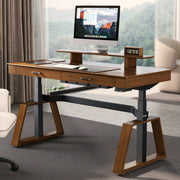
For many modern professionals, the line between "living" and "working" is blurred. Integrating functional accessories like the Height-Adjustable Illuminated Panel CPU Cart ensures that even your tech setup matches the high-design standards of your upholstery, so the space feels cohesive.

Maintenance Tips for Longevity
To help keep your fabric looking fresh over time, consider these practical steps:
- The Weekly Refresh: Use a vacuum with a soft brush attachment to remove dust and allergens. This is especially helpful for velvet and chenille, where dust can dull the luster.
- Immediate Action: For spills on polyester or microfiber, blot (don't rub) with a clean, dry cloth. Because of the relatively hydrophobic nature of these fibers, liquids may sit on the surface briefly before soaking in, giving you a short window to remove them.
- The Baking Soda Trick: For odors or light soil on microfiber, sprinkle a thin layer of baking soda, let it sit for about 20 minutes, and then vacuum. This can help lift trapped particles without harsh chemicals. Always test any cleaning method on an inconspicuous area first.
- Rotation: To encourage even wear, rotate your cushions every few months. This helps avoid "favorite spot" dents and supports the resilience of the high-density foam.
Investing in Your Well-Being
Choosing the right fabric is a practical investment in your daily comfort and focus. As noted in The 2026 Workstation White Paper: Converging Ergonomic Science and Sustainable Engineering, the environments we inhabit can influence our cognitive load and physical comfort. By selecting materials that align with your lifestyle—whether it’s the stain-friendly performance of polyester or the soothing texture of velvet—you are not just buying furniture; you are shaping how you work and rest.
Your home can reflect your highest priorities. By combining the right textures, ergonomic support, and a touch of metallic or glass accents, you create more than just a room—you create a sanctuary that supports both productivity and restoration.
Disclaimer: This article is for informational purposes only. While we reference ergonomic guidelines and material science, this content does not constitute professional medical, interior design, or engineering advice. Always consult with a professional regarding specific health conditions or structural requirements for your home.
Leave a comment