

Transforming Small Streaming Rooms: A Guide to Wall Decor and Vertical Organization
Quick Wins for a Professional Studio Setup
If you’re looking to upgrade your streaming space quickly, focus on these four actionable items:
- The 70/30 Rule: Allocate 70% of wall space for functional storage (pegboards/acoustic panels) and 30% for branded decor to balance utility and aesthetics.
- Color Accuracy: Use a "Middle Grey" (roughly 18% reflectance) backdrop to minimize color spill and simplify camera white balancing.
- Vertical Safety: Anchor any shelving or storage units over 30 inches tall to the wall, following CPSC STURDY Act guidelines.
- Visual Breathing Room: Leave approximately 40% of your shelf space empty to prevent "visual noise" and maintain a professional on-camera frame.
The Vision of Your Workspace Sanctuary
Imagine stepping into your home office as the morning light filters through the window. Instead of a chaotic tangle of wires and a cluttered desk that drains your energy, you are met with a serene, professional environment. Your streaming background isn't just a wall; it’s a curated extension of your brand—a "Workspace Sanctuary" designed to spark creativity.
In this guide, we explore how to master the vertical real estate of a small streaming room. By moving storage to the walls and embracing a mindful approach to your environment, you can transform a multi-functional room into a high-performance studio where every element serves your workflow.
The Transformation: From Chaos to Professional Ambiance
The transition from a cluttered "before" to a professional "after" starts with understanding the constraints of your space. In a small room, floor space is a luxury. The solution lies in verticality. Based on common patterns observed in creator consultations, streamers who fail to utilize their walls often struggle with a "flat" camera presence.
A professional background requires depth and texture. By moving gear to the walls, you declutter your primary desk, allowing for better focus. This transformation is about strategically placing items to create a professional "frame" that looks intentional on camera.
Practical Heuristic: Our space transformation strategy assumes a standard 10'x10' room and prioritizes "visual breathing room" (the 40% empty space heuristic) to prevent background compression on camera.
The 70/30 Rule: Balancing Function and Inspiration
When decorating a small streaming room, we recommend the 70/30 Rule of Wall Coverage. This is a practical heuristic developed from observing common layouts in successful professional setups.
- 70% Functional Storage: This includes pegboards, shelving units, and acoustic treatments. These items handle the "heavy lifting"—holding headphones, microphones, and lenses.
- 30% Pure Decor: This is your "inspiration zone." It includes art, neon signs, or accent lighting that reflects your personality.
By following this ratio, you help ensure your room remains a functional workflow hub rather than a cluttered museum.
Pro Tip on Placement: A common mistake is mounting decor too high, which can create a distracting "floating" effect on camera. For most seated setups, the optimal zone for visual elements is between 30 and 60 inches from the floor (roughly waist to eye level). This ensures they appear naturally in your camera’s field of view.

The Science of the Backdrop: Color and Texture
While it’s tempting to use bold brand colors, technical video standards suggest a different approach. A specific mid-tone grey with approximately 18% reflectance (often referred to as "Middle Grey" in photography) is a highly effective choice for small studios.
Why it works: A neutral grey provides a consistent backdrop that can help minimize "color spill"—where light bounces off a colored wall and tints your skin tone on camera. It simplifies white balancing and works predictably with various lighting setups.
Acoustic Integration as Functional Decor
Acoustics are essential for professional audio and can double as decor. You can blend performance with aesthetics by using "functional decor."
- Weight Specs: Standard 1-inch thick acoustic foam panels typically weigh approximately 0.25 lbs per square foot (based on common polyurethane foam densities).
- Load Capacity: A typical 2'x4' panel weighs about 2 lbs. High-quality steel pegboards often cite a 25 lbs point load capacity (check your specific manufacturer’s rating), meaning they can easily support multiple acoustic panels and gear.
Example Calculation (Acoustic Loading):
- Assumed Setup: Standard MDF or metal pegboard with 1-inch spacing.
- Estimated Load: 2 lbs per panel / 8 sq ft = 0.25 lbs/sq ft.
- Safety Note: We recommend a 2x safety margin—if a board is rated for 50 lbs total, aim to load it to no more than 25 lbs to account for dynamic movement or accidental bumps.
Lighting: Creating Ambiance and Reducing Strain
Lighting is the "invisible decor" of your sanctuary. It helps you look professional on camera while protecting your eye health.
The Power of Bias Lighting
Placing indirect, diffused light sources behind your monitor—known as bias lighting—can significantly reduce eye strain. Research on workspace environments suggests that a "focus-optimized" setup using neutral white light (around 4500K) can help maintain concentration (Source: Scimatic).
For your primary wall, a soft, diffused glow creates depth. We suggest reserving immersive RGB lighting for peripheral zones or specific mood-setting segments to avoid distracting the camera's auto-exposure.
Visual Density and Professionalism
When using open shelving, a helpful design heuristic is to maintain over 40% empty space. Overcrowding leads to high "visual density," which can be distracting for your audience. Think of your shelves as a gallery, not a warehouse.
Ergonomics and Safety: The Foundation of Trust
A beautiful room must be safe and comfortable. We align our setup recommendations with international safety and ergonomic standards.
Preventing Tip-Overs
If your wall decor includes heavy shelving, safety is paramount. The CPSC STURDY Act (16 CFR Part 1261) is a mandatory US standard emphasizing the importance of anchoring clothing storage units; we apply these same principles to studio shelving. Always use wall anchors for any unit over 30 inches tall to reduce the risk of accidents.
Posture and Workflow
Your wall setup should support a healthy workflow. According to the Cornell University Ergonomics Web, a "20-8-2" rhythm is ideal: 20 minutes of sitting, 8 minutes of standing, and 2 minutes of moving. Ensure your most-used wall-mounted gear is accessible from both positions.
Safety Logic: Our ergonomic advice follows the "Hierarchy of Controls" (OSHA), prioritizing engineering controls—like adjustable furniture and proper mounting heights—to manage physical strain.
Scenario Analysis: Optimizing Different Spaces
| Parameter | Standard Room (10'x10') | Small "Closet" Studio (5'x5') | Unit | Rationale |
|---|---|---|---|---|
| Wall Coverage | 30% - 50% | 60% - 80% | % | Smaller rooms require higher vertical utilization. |
| Shelf Depth | 12 - 15 | 6 - 10 | Inches | Shallow shelves prevent "crowding" in tight spaces. |
| Lighting Type | Diffused Panels | Bias / LED Strips | Type | Bias lighting is more space-efficient in small rooms. |
| Acoustic Focus | Reflection Points | Total Coverage | Strategy | Small rooms suffer more from "boxiness" and echo. |
| Decor Zone | Eye Level | Wrap-around | Zone | In tiny rooms, wrap-around decor adds perceived depth. |
Scenario A: The Standard Multi-Functional Room
In a 10'x10' room, you have "breathing room." Use one wall for your primary branded background and keep others neutral. This allows you to switch between "streaming mode" and "deep work mode" without visual overwhelm.
Scenario B: The Ultra-Compact Studio
In a 5'x5' space, every inch is critical. We recommend a "wrap-around" pegboard system. This creates a cohesive look that fills the camera frame completely, making the space feel like a dedicated cockpit.
Personal Tips for a Mindful Setup
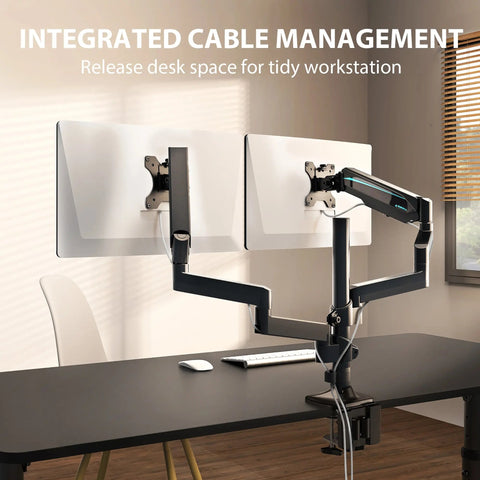
- Cable Management as Art: Use adhesive clips to follow the natural lines of your furniture. This keeps the background tidy and helps prevent trip hazards.
- The "Greenery" Effect: Adding a single plant to your wall shelving can improve the "Ambiance" of the room. It adds a touch of life to a digital-heavy environment.
- Monthly Curation: Once a month, audit your wall decor. If a piece of gear is unused or no longer inspires you, remove it to maintain the "Sanctuary" feel.
Building Your Future Workflow
Creating the perfect streaming background is a journey of aligning your physical space with your creative vision. By focusing on vertical efficiency and ergonomic safety, you build a room that doesn't just look good—it supports your productivity.
For a deeper dive into the intersection of design and performance, you may find valuable insights in The 2026 Workstation White Paper: Converging Ergonomic Science and Sustainable Engineering.
Appendix: Modeling Assumptions & Methodology
The recommendations in this article are based on typical scenarios for home-based content creators.
Model Parameters (Estimates for Planning):
| Parameter | Value / Range | Unit | Source Category |
|---|---|---|---|
| Average Room Size | 100 | sq ft | Industry Standard |
| Camera Field of View | 78 - 90 | Degrees | Common Webcam Specs |
| Safe Mounting Height | 30 - 72 | Inches | Anthropometric Range |
| Visual Density Limit | 60 | % | Design Heuristic |
| Acoustic Panel Weight | 0.25 | lbs/sq ft | Typical Material Data |
Boundary Conditions:
- Mounting assumes standard drywall; always use appropriate anchors for your wall type.
- Ergonomic recommendations are based on general adult population guidelines (aligned with BIFMA G1-2013).
- Weight capacities are illustrative; always defer to your specific product’s manual.
References
- BIFMA G1-2013 Ergonomics Guideline for Furniture
- Canadian Centre for Occupational Health and Safety (CCOHS) - Sit/Stand Desks
- Cornell University Ergonomics Web — Workstation Guides
- HSE: Working safely with display screen equipment (DSE)
- OSHA: Ergonomics - Solutions to Control Hazards
- CPSC: New Tip-Over Safety Standard for Furniture
Disclaimer: This article is for informational purposes only and does not constitute professional medical, legal, or safety advice. Always consult with a qualified professional before making significant changes to your home infrastructure, especially regarding electrical work or structural mounting.




Leave a comment