

Why does your wrist pain worsen in the afternoon, even when you are using a high-end keyboard? Many professionals and gamers believe that the small "feet" at the back of a keyboard are designed to improve comfort. In reality, these tabs create a "positive tilt" that forces the wrists into a state of chronic extension. This position is a primary contributor to Repetitive Strain Injuries (RSIs) and carpal tunnel syndrome.
To achieve a truly ergonomic workstation, one must look toward the opposite configuration: negative tilt. This guide explores the physiological principles of wrist health, the mechanical advantages of adjustable keyboard trays, and the technical standards that define a high-performance ergonomic setup.
The Physiology of the Carpal Tunnel and Static Load
The human wrist is a complex gateway for tendons and the median nerve. When the wrist is bent upward—a position known as extension—the carpal tunnel narrows. According to research cited by the U.S. National Institute for Occupational Safety and Health (NIOSH), prolonged deviation from a neutral posture increases internal tissue pressure, which can lead to Musculoskeletal Disorders (MSDs).
Neutral posture is defined as a position where the wrist is straight, and the hand is aligned with the forearm. In a typical seated position, the forearms naturally slope downward from the elbow to the hand. A flat keyboard on a standard desk forces the user to "bend" the wrist upward to reach the keys. This creates a static load on the extensor muscles.
As detailed in the OSHwiki guide on pathophysiological mechanisms of MSDs, static working postures lead to reduced blood circulation and tissue adaptation that may eventually become chronic. The goal of negative tilt is to align the keyboard surface with the natural downward angle of the forearms, allowing the wrists to remain in a "neutral" 0-degree extension.
The Mechanics of Negative Tilt: How It Works
Negative tilt refers to a setup where the front of the keyboard (the side closest to the user) is higher than the back. This creates a downward slope away from the body. When implemented correctly via an adjustable keyboard tray, this configuration offers several measurable health benefits.
- Reduction of Median Nerve Pressure: Laboratory studies on keyboard slope indicate that a negative tilt can reduce median nerve pressure in the carpal tunnel by an estimated 15-20% compared to traditional positive tilts.
- Shoulder and Neck Relaxation: By lowering the keyboard below the desk surface, users can keep their shoulders in a relaxed, depressed position. This prevents the "shrugging" motion that leads to upper trapezius tension.
- Dynamic Micro-movements: Advanced ergonomic trays allow for slight adjustments throughout the day. Experienced ergonomists recommend varying the tilt between -5 and -15 degrees to vary the muscle load and prevent static fatigue.
According to the Cornell University Ergonomics Web workstation guides, using an external keyboard on a negative-tilt tray is a "gold standard" recommendation for preventing computer-related strain.

Scenario Analysis: The Power User vs. The Standard Setup
To understand the impact of these ergonomic principles, we must look at how they perform under extreme conditions. Consider the needs of a "Power User"—for example, a professional streamer or technical lead who spends 10+ hours a day at a workstation.
The 95th Percentile User Case Study
In a theoretical analysis of a user standing 190cm tall (representing the 95th percentile of the male population) with a heavy multi-monitor "battlestation," standard furniture often fails. A typical 29-inch fixed desk creates a nearly 2-inch "ergonomic gap" for a user of this height, forcing them to choose between slouching or elevating their shoulders.
| Metric | Recommended Value (190cm User) | Standard Desk (Fixed 29") | Ergonomic Gap |
|---|---|---|---|
| Seat Height | 50.0 cm | N/A | N/A |
| Sitting Desk Height | 78.5 cm (30.9") | 73.6 cm (29") | -4.9 cm (-1.9") |
| Standing Desk Height | 116.5 cm (45.9") | N/A | N/A |
| Keyboard Tray Tilt | -5° to -15° | +5° (Keyboard feet) | 10° - 20° Deviation |
For this user, a negative-tilt keyboard tray is not just an accessory; it is a necessity to bridge the gap between their anthropometric needs and the limitations of standard furniture. Without the ability to lower the input devices and tilt them negatively, the 190cm user experiences a 15-20% increase in carpal tunnel pressure due to compensatory shoulder elevation.
The ROI of Ergonomic Precision
Investing in a system that supports negative tilt and proper height adjustment yields tangible returns. Based on standard industry productivity models, a 15% uplift in efficiency—driven by reduced fatigue and discomfort—can translate to significant annual value. Furthermore, alternating between sitting and standing (using the 20-8-2 rhythm) can burn an estimated 178.5 extra calories per day, equivalent to nearly 13 lbs of fat loss per year for a consistent user.
Technical Standards and Compliance
When selecting ergonomic furniture, it is essential to look for adherence to international standards. These guidelines ensure that the equipment "fits" the majority of the population and can withstand the rigors of daily use.
- ISO 9241-5:2024: This international standard specifies the postural requirements for office work. It emphasizes that workstations must allow for frequent changes in posture and provide adequate support for the limbs.
- BIFMA G1-2013: The Business and Institutional Furniture Manufacturers Association (BIFMA) Ergonomics Guideline provides dimensions that accommodate the 5th to 95th percentile of the population. A high-quality keyboard tray should offer enough vertical and angular range to meet these standards.
- ISO 11226:2000: This standard provides a quantitative basis for evaluating static working postures, recommending against any position that requires joint angles at the extreme ends of their range for extended periods.
As noted in The 2026 Workstation White Paper: Converging Ergonomic Science and Sustainable Engineering, the future of office design lies in the integration of these mechanical standards with user-centric behavioral interventions.
Practical Recommendations for Setup
Achieving a neutral position requires a holistic approach to the workstation. Follow these steps to optimize your keyboard and mouse placement:
1. Determine Your Elbow Height
Sit in your chair with your shoulders relaxed and your elbows bent at approximately 90 degrees. Your keyboard tray should be adjusted so that the "home row" of keys is at or slightly below your elbow height. This prevents you from having to reach "up" to type.
2. Apply the Negative Tilt
Adjust the tray to a -5 to -10 degree angle. The back of the keyboard should be lower than the front. If you are standing, you may find that a slightly steeper angle (up to -15 degrees) feels more natural as the angle of your forearms changes.
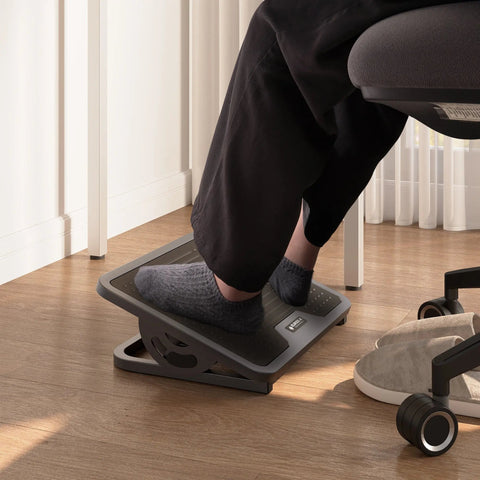
3. Use a Footrest
If you must raise your chair to reach a fixed desk, your feet may dangle, causing pressure on the underside of your thighs and restricting circulation. According to the Safe Work Australia workstation setup guide, a footrest is essential if your feet do not rest flat on the floor after adjusting your chair height.

4. The 20-8-2 Rhythm
Adopting the Cornell University recommendation of 20 minutes of sitting, 8 minutes of standing, and 2 minutes of moving/stretching ensures that you are not maintaining any single static posture for too long. This "dynamic working" style is the most effective way to mitigate the risks associated with sedentary behavior.
Addressing Common Pitfalls
Even with the right equipment, users often make "gotcha" mistakes that negate the benefits of negative tilt:
- Setting the Tray Too High: If the tray is too high, you will subconsciously shrug your shoulders. Always prioritize elbow-height alignment.
- Ignoring the Mouse: Ensure your mouse is on the same level and tilt as your keyboard. Reaching up to a desk surface for the mouse while the keyboard is on a tray creates "asymmetrical loading," which can lead to shoulder and neck pain.
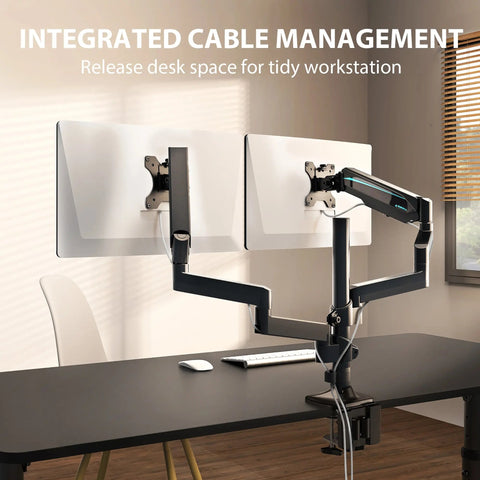
- Cable Tension: When using a height-adjustable desk with a keyboard tray, ensure cables are long enough to accommodate the full range of motion. Tight cables can pull the tray out of its desired tilt or damage the ports on your peripherals.
Summary of Ergonomic Best Practices
To maintain long-term musculoskeletal health, your workstation should be a tool that adapts to your body, rather than forcing your body to adapt to the furniture.
- Primary Goal: Maintain a neutral wrist posture (0° extension).
- Key Tool: An adjustable keyboard tray with negative tilt capability.
- Optimal Angle: -5° to -15° depending on task intensity and posture.
- Integration: Pair with a height-adjustable desk and a footrest to ensure full-body alignment.
- Behavioral Change: Use the 20-8-2 rule to interrupt static loads.
By understanding the physiological mechanisms of strain and applying the technical standards of modern ergonomics, you can transform your home office into a space that supports both peak productivity and long-term well-being.
YMYL Disclaimer: This article is for informational purposes only and does not constitute professional medical advice, diagnosis, or treatment. Always seek the advice of your physician or other qualified health provider with any questions you may have regarding a medical condition or musculoskeletal pain. The ergonomic recommendations provided are based on general industry standards and may not be suitable for individuals with pre-existing injuries or specific physiological needs.
References
- Canadian Centre for Occupational Health and Safety (CCOHS): Office Ergonomics - Sit/Stand Desk
- Cornell University Ergonomics Web: Workstation Guides
- ISO 9241-5:2024 - Ergonomics of human-system interaction — Part 5: Workstation layout and postural requirements
- Occupational Safety and Health Administration (OSHA): Computer Workstations eTool - Neutral Working Postures
- BIFMA G1-2013 Ergonomics Guideline for Furniture
- EU-OSHA: Pathophysiological mechanisms of musculoskeletal disorders




Leave a comment