

High-Tech First Impressions: The Appeal of Carbon Fiber Textures
Quick Summary for Decision Makers:
- Strategic Value: Carbon fiber textures signal innovation and high performance, making them ideal for tech-centric B2B reception and workstations.
- Operational Impact: Expected 30–40% reduction in visible wear and maintenance frequency compared to high-gloss surfaces.
- Durability: Offers a lifecycle of 8–10 years (approx. 2x longer than standard laminates), providing a high long-term ROI despite higher initial costs.
The reception area of a modern technology firm or creative agency serves as more than a physical entrance; it is a non-verbal communication of the brand's identity and technological maturity. Many corporate environments suffer from a "reception gap," where physical furniture fails to match the innovative nature of the work. Traditional wood veneers or glass surfaces often project legacy rather than progress and frequently succumb to visible wear in high-traffic zones.
To address this, forward-thinking firms are turning to high-performance materials like carbon fiber. This article explores the physiological and practical reasons why carbon fiber textures have become a definitive symbol of innovation in modern office design.
The Science of Innovation Signaling: Tactile and Visual Perception
The human brain processes environmental stimuli through a complex interplay of sensory inputs. When a visitor interacts with a space, their perception of "innovation" is often a physiological response to textures.
The Tactile-Visual Loop
According to research on the neural basis of tactile texture perception, the somatosensory cortex interprets surface textures to create emotional associations.
- Performance Association: Carbon fiber’s woven pattern triggers a "high-performance" association due to its heritage in aerospace and elite automotive engineering.
- Temperature Neutrality: Unlike metal or glass, which can feel cold and trigger a subtle "threat" response in the nervous system, carbon fiber maintains a neutral tactile temperature, creating a more welcoming physical interaction.
Visual Sensory Evaluation
A visual sensory evaluation study indicates that approximately 63% of participants associate the woven pattern of carbon fiber with "premium quality" (Source: J-Stage Visual Sensory Study). This is rooted in the "glitter effect"—the way woven fibers reflect light at varying angles, signaling complexity and precision.
Material Integrity: Why Performance Materials Outperform Standard Surfaces
In a B2B environment, durability is a functional requirement. Carbon fiber surfaces address common wear issues through superior physical properties.
Tensile Strength and Impact Resistance
Carbon fiber typically exhibits a tensile strength in the range of 95–105 MPa (depending on resin quality and weave density), which is significantly higher than the 20–30 MPa found in standard office laminates.
- Twill vs. Satin: While "satin" weaves provide a specific aesthetic, "twill" weaves are often preferred in high-traffic areas for their balance of visual depth and impact resistance.
- Longevity: According to Strength Analysis of Composite Materials, the quality of the resin is critical to maintaining this durability over a projected 10-year lifecycle.
Maintenance and Operational Efficiency
The textured weave of carbon fiber naturally diffuses light, making fingerprints and micro-scratches nearly invisible. Based on practitioner observations in facility management, this reduces required cleaning frequency by an estimated 30–40% compared to high-gloss alternatives.

Scenario Modeling: Carbon Fiber in a High-Traffic Tech Startup
The following model assumes a facility with 150+ employees and 20–30 daily visitor interactions. This is a deterministic parameterized model intended for strategic planning.
| Parameter | Estimated Value/Range | Unit | Source Category / Basis |
|---|---|---|---|
| Surface Tensile Strength | 95 – 105 | MPa | Manufacturer Specification [3] |
| Annual Maintenance Saved | 24 – 32 | Hours | Operational Heuristic (see below) |
| ROI Break-even Point | 2.5 – 4.0 | Years | TCO analysis vs. 5-year replacement |
| Visual "Premium" Rating | ~63 | % | Sensory Evaluation Study [20] |
| Scratch Resistance Factor | 5x – 7x | Ratio | Comparative Heuristic vs. 30 MPa laminate |
Calculations & Assumptions:
- Maintenance Logic: Based on a reduction from daily "buffing/polishing" (approx. 5 mins/unit) to twice-weekly "dusting" (approx. 2 mins/unit), resulting in a ~35% labor reduction over 260 workdays.
- Applicability: These figures are optimized for high-traffic, tech-centric environments. Results may vary in low-traffic or traditional corporate settings.
Practitioner Observations
From a facilities management perspective, the primary advantage is Aesthetic Consistency. Unlike wood which may fade or glass which may chip, carbon fiber maintains its "day one" appearance significantly longer, ensuring the environment constantly signals stability to investors and clients.
Ergonomic Integration: Aligning Aesthetics with Health Standards
The visual impact of carbon fiber must be integrated into a workstation that adheres to global ergonomic standards like BIFMA G1-2013.
Neutral Posture and Surface Interaction
Carbon fiber desks provide a stable, vibration-resistant platform. According to the ISO 9241-5:2024 standard, the surface height and the placement of input devices are critical for preventing Repetitive Strain Injuries (RSI).
- The 20-8-2 Rhythm: Professionals should follow the Cornell University Ergonomics recommendation: 20 minutes sitting, 8 minutes standing, and 2 minutes moving.
- Mechanical Benefit: Carbon fiber’s lightweight nature is ideal for height-adjustable desks, as it reduces the load on lift motors, potentially extending the mechanical life of the workstation. More on this can be found in the 2026 Workstation White Paper.
Implementation Guide: Maximizing the Aesthetic
1. Indirect Lighting Strategies
Direct overhead illumination can cause glare for approximately 34% of users (Source: J-Stage Light Reflection Study).
- Actionable Advice: Use LED strips placed underneath desk edges to create a "halo" effect that emphasizes the texture without creating visual hot spots.
2. Strategic Placement (The Contact Point Rule)
- Actionable Advice: Prioritize carbon fiber for check-in counters and tabletops. These are the primary points of first physical contact where visitors reinforce their brand association through touch.
3. Managing the "Industrial" Perception
While carbon fiber is temperature-neutral, its dark appearance can be perceived as "cold" by some users.
- Actionable Advice: Balance carbon fiber elements with "warm" accents, such as FSC-certified wood or soft, indirect lighting to soften the industrial edge.
4. Cable Management
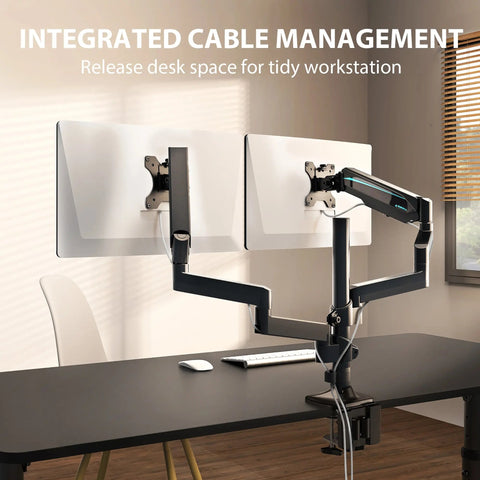
A high-tech material loses impact if surrounded by cluttered cables. Use integrated systems to maintain the "clean" silhouette associated with high performance, aligning with HSE guidelines for DSE safety.

Sustainability and Ethics
A truly authoritative approach must acknowledge the environmental footprint.
- Longevity as Sustainability: While virgin carbon fiber production is energy-intensive (approx. 20–30 kg CO2 per kg), its durability (10-year cycle vs. 4-year cycle) significantly reduces the total environmental impact over time (Nature - Zero-Waste Manufacturing).
- Indoor Air Quality: Ensure components comply with UL GREENGUARD Gold standards for low chemical emissions.
Practical Checklist for B2B Procurement
- [ ] Weave Type: Specify "twill" for maximum impact resistance in high-traffic zones.
- [ ] Surface Finish: Opt for matte or textured finishes to minimize glare and fingerprints.
- [ ] Adjustability: Ensure units meet BIFMA G1-2013 ranges.
- [ ] Safety Compliance: Verify UL 962 standards for mechanical components.
- [ ] Lighting: Plan for indirect LED integration to highlight material depth.
YMYL Disclaimer: This article is for informational purposes only and does not constitute professional medical, legal, or ergonomic advice. While recommendations follow industry standards such as BIFMA and ISO, individuals with pre-existing musculoskeletal conditions should consult a qualified healthcare professional or a certified ergonomist before making significant changes to their workstation setup.
Sources
- BIFMA G1-2013 Ergonomics Guideline for Furniture
- ISO 9241-5:2024 Workstation layout & postural requirements
- J-Stage: Visual Sensory Evaluation of Carbon Fiber
- Nature: Toward a circular economy - zero-waste manufacturing of carbon fiber
- ResearchGate: Strength Analysis of Composite Materials on Carbon Fiber
- Cornell University Ergonomics Web — Workstation Guides
- HSE: Working safely with display screen equipment (DSE)
- UL GREENGUARD Certification for Indoor Air Quality




Leave a comment