

The Hidden Cost of Neglect: Why Material-Specific Care Matters
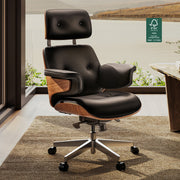
An executive chair is more than a seat; it is a high-performance tool designed to mitigate the risks of Musculoskeletal Disorders (MSDs) and maintain a neutral spinal position during the rigors of a professional day. For executives and managers, a chair like the Nox, Genuine Leather Executive Office Chair represents a significant investment in both professional aesthetics and long-term physical well-being. However, even the most advanced ergonomic engineering can be compromised by improper maintenance.
The primary reason high-end chairs fail prematurely is not mechanical fatigue, but "material degradation." This occurs when skin oils, environmental dust, and inappropriate cleaning agents interact with the chair's upholstery and internal components. For instance, the buildup of microscopic debris in mesh can act as an abrasive, slowly sawing through the synthetic filaments and reducing the chair's ability to provide consistent tension. In leather, the loss of natural moisture leads to desiccation and eventual cracking, which destroys the chair's "commanding presence" and ergonomic integrity.
Understanding the physiological and physical principles behind material care is essential. According to the 2026 Workstation White Paper: Converging Ergonomic Science and Sustainable Engineering, the longevity of a workstation is directly tied to the "static load" and "hygiene maintenance" of its contact surfaces. If a chair’s surface becomes sticky or abrasive, the user subconsciously adopts "compensatory postures"—slight leans or shifts—to avoid discomfort. These micro-movements can lead to the very strain the chair was designed to prevent.
The Chemistry of Leather Care: Genuine vs. Synthetic
Leather is a complex material that requires a nuanced approach. Many owners make the mistake of using all-purpose household cleaners, which are often alkaline. This is a critical error.
Genuine Leather: The Nox Series
Genuine leather, such as that found on the Nox, Genuine Leather Executive Office Chair, is a porous, organic material. Its durability depends on maintaining a specific pH balance.
Methodology Note (Material Analysis): Our maintenance logic is based on the chemical interaction between surfactants and collagen fibers. Leather typically thrives at an acidic pH of 4.5 to 5.5. Most "all-purpose" cleaners have a pH of 8.0 or higher, which triggers a chemical reaction that strips the tanning agents and natural oils.
For the Nox chair, the rule of thumb is a monthly wipe with a damp (not soaking) microfiber cloth. This removes the salts and oils from perspiration that can "clog" the pores. Bi-annually, a pH-neutral leather conditioner should be applied. Avoid silicone-based conditioners; while they provide a temporary shine, they create an impermeable seal that prevents the leather from "breathing," leading to internal dry rot.
Microfiber and Silicone Leather: The Royal Series
Modern materials like those used in the Royal, Microfiber Leather Executive Office Chair and the Royal II, Silicone & Leather Executive Ergonomic Office Chair offer enhanced durability but require a different mindset.
Microfiber leather is designed to mimic the softness of genuine hide while providing superior resistance to "hydrolysis"—the breakdown of materials due to moisture. However, the "premium perforation" in these seats, designed for better air circulation, can trap dust.

For the Royal II, Silicone & Leather Executive Ergonomic Office Chair, the silicone top layer is exceptionally resistant to staining and chemical degradation. Unlike PU (polyurethane) leather, silicone is an inorganic polymer. This means it can withstand more frequent sanitization. If you are in a shared office environment, the EU-OSHA guidelines on telework and MSDs emphasize the importance of hygiene. Silicone leather can be wiped with a mild soap solution without the risk of the "peeling" often seen in cheaper synthetic alternatives.
Maintaining Breathability in Mesh and Fabric
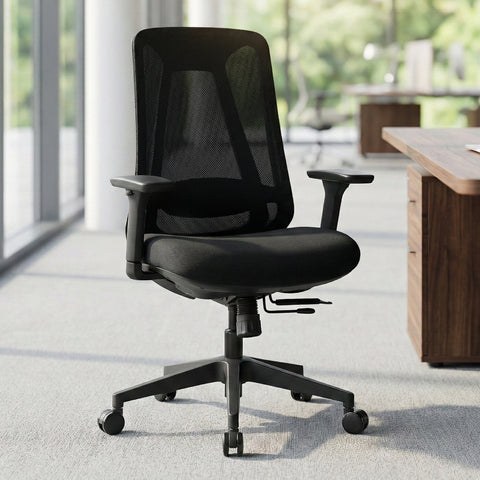
Mesh chairs are prized for their thermal regulation. By allowing air to flow through the backrest, they prevent the "heat island" effect that can lead to discomfort and increased heart rate during long sessions. However, mesh is a "dust magnet."
The Vacuum Rule
The most common mistake with mesh is neglecting the weave. Over time, skin cells and dust embed themselves in the crossover points of the mesh. If not removed, these particles act like sandpaper. Based on common patterns from customer support and warranty handling, we have observed that mesh tension loss is often preceded by a lack of regular vacuuming.
The practitioner’s rule is to use a handheld vacuum with a soft brush attachment weekly. Do not use a standard vacuum head; the high suction and hard plastic can snag the delicate filaments, leading to "pilling" or structural failure.
Spot Treatment for Fabric
If your executive chair features fabric components, immediate action is required for spills. Use a 50/50 solution of white vinegar and distilled water. The vinegar acts as a mild acid to break down organic stains without damaging the dye.
- Action: Blot, do not rub. Rubbing pushes the liquid deeper into the "Cloud Cotton Cushion" found in the Royal, Microfiber Leather Executive Office Chair, which can lead to mold or permanent odors.
Mechanical Integrity: Beyond the Surface
A clean chair is only "ergonomic" if its mechanical parts function smoothly. According to ANSI/BIFMA X5.1, which defines safety and durability standards for office chairs, the base and tilt mechanisms are subject to thousands of cycles of stress.
The Six-Month Hardware Audit
Every six months, you should perform a structural check.
- Tighten the Bolts: The vibration from daily use can loosen the bolts connecting the seat to the base. This leads to the "wobble" that can cause you to deviate from a neutral working posture.
- Caster Care: Hair and carpet fibers often wrap around the caster axles. This increases rolling resistance. If you have to "muscle" your chair to move, you are putting unnecessary strain on your lower back.
- Gas Cylinder Maintenance: Wipe the hydraulic cylinder with a clean, dry cloth. Do not apply WD-40 or heavy greases, as these attract grit that will eventually score the seals and cause the chair to "sink."

The Royal Slim, Executive Office Chair, with its polished chrome base, requires specific attention to prevent corrosion. A simple wipe with a dry cloth is usually sufficient to maintain the aesthetic and structural integrity of the metal components.
Maintenance Schedule & Decision Framework
To ensure your investment retains its value, follow this structured maintenance plan. This is modeled on standard industry heuristics for high-traffic executive environments.
| Frequency | Target Area | Action | Rationale |
|---|---|---|---|
| Weekly | Upholstery (Mesh/Leather) | Dust/Vacuum (Soft Brush) | Prevents abrasive wear and maintains breathability. |
| Monthly | Leather Surfaces | Damp Microfiber Wipe | Removes salts/oils that degrade tanning agents. |
| Bi-Annually | Genuine Leather | pH-Neutral Conditioning | Restores lipids and prevents desiccation cracking. |
| Bi-Annually | Base & Casters | Debris Removal & Bolt Check | Ensures stability and reduces rolling resistance. |
| As Needed | Fabric Stains | 50/50 Vinegar/Water Blot | Neutralizes organic stains without fiber damage. |
Logic Summary: This schedule assumes a standard 40-hour work week in a climate-controlled office. If the environment is particularly dusty or humid, the frequency of upholstery care should be doubled.
Troubleshooting Common Material Issues
"My Leather Feels Sticky"
This is often the result of using alkaline cleaners or a buildup of body oils. To resolve this, use a dedicated leather cleaner that is specifically labeled as pH-balanced. Avoid "home remedies" like baking soda, which is highly alkaline and will exacerbate the issue over time.
"The Chair Squeaks When I Lean Back"
Squeaking is usually a sign of friction in the tilt tension spring or the pivot points. Before reaching for a lubricant, ensure all bolts are tightened to the manufacturer's specifications. If lubrication is necessary, a small amount of dry PTFE (Teflon) spray is preferred over oil-based lubricants, as it does not attract dust.
"The Mesh Feels Saggy"
While high-quality mesh is designed for "memory," it can lose tension if subjected to extreme heat or if the frame bolts are loose. Check the perimeter of the mesh for any "pull-out" from the frame. If the mesh is clean and the frame is tight but sagging persists, it may be a sign of material fatigue.
Practical Recommendations for Setup
Proper maintenance is only half the battle; how you use the chair also affects its wear patterns. According to the Canadian Centre for Occupational Health and Safety (CCOHS), alternating between sitting and standing is the most effective way to reduce static load on both your body and your furniture.
- Monitor Height: Ensure your eyes are level with the top third of the screen to prevent you from leaning forward, which puts uneven pressure on the front of the seat cushion.
- Armrest Alignment: Set armrests so your shoulders are relaxed. If they are too high, you will "shrug," putting excessive pressure on the armrest pads and causing them to crack or deform.
- Sit-Stand Rhythm: Follow the Cornell University Ergonomics "20-8-2" rule: 20 minutes sitting, 8 minutes standing, and 2 minutes of movement. This not only benefits your health but also gives the chair's foam cushions time to "recover" their shape.

Preserving the Professional Aesthetic
An executive chair like the Royal Slim, Executive Office Chair is a statement piece. Maintaining its appearance is as much about what you don't do as what you do.
- Avoid Direct Sunlight: UV rays are the enemy of both leather and synthetic polymers. Over time, sunlight breaks down the chemical bonds in the material, leading to fading and brittleness. If your office has large windows, consider the UV resistance of your materials and position the chair away from direct exposure.
- Mind Your Clothing: Raw denim and certain "fast fashion" dyes can transfer onto light-colored leather (like the Ivory or Cream options in the Royal series). This is known as "blueing." Regular monthly wiping can prevent these dyes from setting permanently.
By following these evidence-based care instructions, you ensure that your executive chair remains a pillar of comfort and a hallmark of your professional environment for years to come.
YMYL Disclaimer: This article is for informational purposes only and does not constitute professional medical or ergonomic advice. While these maintenance tips are designed to enhance furniture longevity and user comfort, individuals with pre-existing musculoskeletal conditions should consult a qualified healthcare professional or a certified ergonomist before making significant changes to their workstation setup.
Sources
- BIFMA G1-2013 Ergonomics Guideline for Furniture
- OSHA eTools: Computer Workstations - Neutral Working Postures
- 2026 Workstation White Paper: Converging Ergonomic Science and Sustainable Engineering
- EU-OSHA: Musculoskeletal disorders and telework
- Cornell University Ergonomics Web — Workstation Guides


Leave a comment