

Smart furniture for aging parents should make daily life easier, not feel like medical equipment. The best choices can support sitting, standing, reaching, and settling in with less effort, but only when the fit, controls, and room layout match the person. The right piece is the one that supports the routine with the fewest compromises, not the one with the longest feature list.
What Aging Parents Need From Furniture
The useful question is not whether a piece sounds smart. It is whether it helps with the everyday motions that matter most: sitting down, standing up, reaching a nearby surface, and getting comfortable without extra strain. AARP's HomeFit Guide frames this well through universal design, meaning furniture should work for people of different ages and abilities instead of forcing them to adapt to the furniture.
That is a better lens for smart furniture for aging parents than novelty features. If the piece is easy to use, matches the parent's body and habits, and still looks like regular home furniture, it can support independence in a practical way. If it only adds complexity, it usually adds little value.
The best fit also depends on the room and routine. A supportive chair that works in one living room may feel awkward in another if the layout, pathways, or side surfaces do not support easy use.
Features That Actually Reduce Daily Strain
Start by separating support features from convenience features. Support features change how the parent moves or settles in. Convenience features may feel nice, but they are not always worth paying for if they do not simplify daily use.
Lift-Assist and Sit-To-Stand Support
Lift-assist seating can be useful when standing up is the main friction point. Consumer Reports notes that lift chairs can help reduce strain on knees and hips during sit-to-stand motions, but only when the lift speed, height, and user comfort all line up. That makes it a support feature, not a universal fix.
For real buyers, the main check is simple: does the motion feel natural from the parent's seat position, and can they use the control without reaching awkwardly? If the answer is no, the feature loses most of its value. Lift support should feel intuitive, not technical.
Accessible Reach and Control Placement
Controls matter more than people expect. A powered or adjustable piece is only genuinely helpful if the buttons, levers, or touch points are easy to find from a seated position. AARP's Smart Guide to Aging in Place treats smart-home convenience the same way: the benefit comes from reducing reaching and bending, not from adding tech for its own sake.
That is the right mindset for smart furniture for aging parents too. If the control is on the wrong side, too hard to read, or too fiddly for everyday use, the furniture may look advanced but still feel annoying. Check power access, cord placement, and how the parent would actually use it on an ordinary day.
Comfort Features That Still Look at Home
Supportive furniture does not have to look clinical. Clean silhouettes, familiar finishes, and upholstery that fits the room can keep the space feeling residential. AARP's home-fit framing supports that idea: the point is usability across ages, not a medical appearance.
This matters because some older adults resist furniture that looks like equipment, even when they could benefit from the support. A normal-looking chair may get used more consistently if it feels like part of the home instead of a reminder of limitations. Comfort is still important, but visual clutter and overbuilt styling can make the room feel less welcoming.

How to Match Furniture to the Room
Fit can matter as much as the feature set. A seat that sounds perfect on paper can still fail if the parent cannot enter, exit, or reach nearby surfaces comfortably. In many homes, the practical checks are seat height, seat depth, firmness, nearby clearance, and the way the room is arranged around the chair.
| Fit Check | What It Affects | What To Verify Before Buying |
|---|---|---|
| Seat Height | How easily the parent can sit down and rise | The seat should let the user plant their feet comfortably and stand without feeling trapped low. |
| Seat Depth | Whether the back and knees feel supported | The parent should be able to sit back without the seat edge pressing behind the knees. |
| Seat Firmness / Condition | How much effort standing takes | Firm, well-maintained seating is easier to rise from than cushions that sink or sag. RehabMart's senior-friendly living room guidance makes this point clearly. |
| Entry / Exit Clearance | Whether the chair is easy to approach and leave | There should be enough room to move in and out without twisting around a table or wall. |
| Nearby Surface Height | Whether the parent can reach a drink, book, or remote | Side tables and nearby surfaces should be easy to reach from the seated position. |
| Pathway / Floor Space | Whether the room feels open enough for daily use | Rugs, cords, and tight walkways can make an otherwise good chair awkward. |

What this means in practice is that the room can disqualify a good-looking seat. If the cushion is too soft, the chair sits too low, or the side table is out of reach, the furniture may still be hard to use. For aging in place furniture choices, the right answer is often the one that looks slightly simpler but fits the space better.
Which Supportive Furniture Types Make Sense
-
Supportive seating helps most when the main problem is rising, settling in, or staying comfortable for longer periods. It is usually the first category to check for a living room. The trade-off is that a highly supportive chair can take more floor space than a lighter accent seat.
-
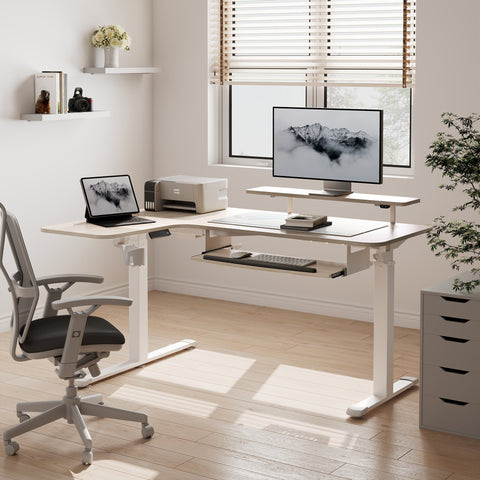
Adjustable surfaces make sense when the parent needs a close place for a drink, medication organizer, reading material, or remote. They can reduce reaching and twisting, but only if the surface height and placement work with the chair and walking path.
-
Foot-support accessories can help when the feet do not land comfortably on the floor from the main seat. They are a smaller fix, not a replacement for proper seat fit, and they should not make the room feel crowded.
-
Desk-oriented seating is relevant if the parent spends real time at a computer or craft table. It can support longer sitting sessions, but it does not solve living-room fit problems by itself.
-
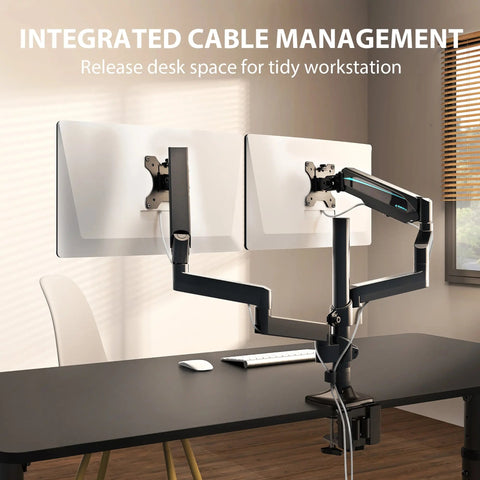
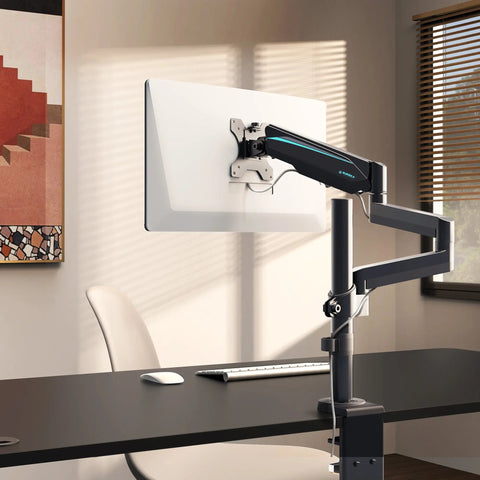
Coordinated accessories can improve daily use in a multipurpose room, especially when they reduce clutter or make the main seat easier to approach. The drawback is that too many extras can crowd pathways and make the setup harder to navigate.
For many homes, the best solution is a primary seat plus one smaller support piece, not a single feature-heavy item trying to solve everything.
How to Narrow the Final Choice
- Start with the parent's hardest daily movement, such as standing up, sitting down, or reaching a nearby surface.
- Check the room next, especially clearance, pathways, and whether a side table or outlet is actually usable from the seat.
- Look for support features only after the fit works, because the best feature is not useful if the chair is awkward to live with.
- Keep the style residential so the piece feels like part of the home, not a reminder of care.
- Verify setup, delivery, and whether the parent can use the controls without help.
- Choose the option with the fewest daily compromises, because smart furniture for aging parents should simplify the routine, not add new steps.
If you want a broader ergonomic setup around a home office or reading corner, you can also compare ergonomic chair health benefits and dynamic lumbar support as background on comfort and support patterns.
Final Takeaway
The best smart furniture for aging parents is the kind that makes ordinary movement easier without making the home feel clinical. Focus on the parent's routine, then test fit, control simplicity, and room layout before adding feature-heavy extras. If a piece looks supportive but is hard to enter, exit, or use every day, it is probably not the right choice. Start with the easiest daily motion to improve, then choose the option that fits the person, the room, and the home's style.
FAQs
How Do You Know If a Smart Furniture Feature Is Worth It?
A feature is worth attention when it changes a real daily motion, such as standing up, reaching, or settling in. If it only sounds advanced but does not make the parent's routine easier, it is usually not the best spend. Look for a clear link between the feature and the problem you are trying to solve.
What Furniture Is Easiest for Aging Parents to Use Every Day?
Usually the easiest furniture is the piece that fits the person well, feels stable, and does not ask for much adjustment. Supportive seating is often the first place to start because it affects sitting and standing directly. The key is simple operation, a comfortable position, and a room layout that does not fight the user.
Can Supportive Furniture Still Look Like Regular Home Furniture?
Yes. Supportive pieces can blend into a living room or bedroom when you choose familiar silhouettes, finishes, and upholstery. The goal is to keep the room feeling like a home while still improving comfort and ease of use. Style should support daily life, not compete with it.
What Should You Check Before Buying Furniture for an Older Adult?
Check the daily motion first, then the room, then the controls. Make sure the seat is easy to rise from, the pathways are clear, and any powered adjustments are simple to use from a seated position. Also think about delivery, setup, and whether the piece will still feel easy to live with after the first week.
Why Does Fit Matter More Than Extra Features?
Because a feature only helps if the furniture already works in the room. Good fit reduces friction every day, while extra features can go unused if the seat is too deep, too soft, or hard to approach. In many homes, a simpler piece with better fit is the stronger choice.




Leave a comment