

The true mark of a successful luxury home office is the invisible integration of health-focused biomechanical support. High-net-worth clients demand absolute physical comfort for long working hours, but they will not compromise their curated aesthetics for standard, industrial-looking equipment. Therefore, mastering the seamless fusion of executive-level ergonomics with bespoke millwork is the definitive standard and the ultimate differentiator for elite interior designers.
The Core Challenge: Reconciling Aesthetics With Biomechanical Science
The work-from-home landscape has evolved dramatically. Today, the home office is no longer a secondary, occasionally used room—it is the primary command center for executives, entrepreneurs, and creative professionals. However, this shift highlights a historical clash between two very different industries.
The Designer's Dilemma
When curating designer home office furniture, professionals often face a frustrating dichotomy. You are usually forced to choose between two flawed options:
The Aesthetic Trap: Selecting a visually stunning mid-century modern wooden chair that flawlessly matches the room but ruins the client's back after two hours of emails.
The Ergonomic Eyesore: Specifying a highly technical, plastic-heavy ergonomic chair that offers great lumbar support but violently clashes with custom walnut paneling and hand-loomed silk rugs.
Two Worlds Colliding
Historically, furniture was built for either the boardroom or the living room, rarely both:
- Corporate Office Furniture: Engineered for mass production. It utilizes injection-molded plastics, exposed adjustment levers, and utilitarian fabrics designed for high-traffic durability rather than tactile luxury.
- Luxury Residential Furniture: Prioritizes elegant silhouettes, historic provenance, and opulent materials. Unfortunately, it often completely ignores anthropometric data (human body measurements) and spinal kinematics.
The Specification Solution
The solution to this clash is mastering precise home office furniture specification. By understanding the microscopic details of ergonomic integration, designers can seamlessly blend health-focused hardware with bespoke architectural elements. This ensures the space remains a luxurious, cohesive sanctuary without sacrificing the medical-grade spinal, cervical, and visual support the client desperately needs.

To achieve this, designers must master four critical biomechanical and spatial touchpoints.
Touchpoint 1: The Command Center and Advanced Millwork Integration
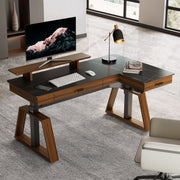
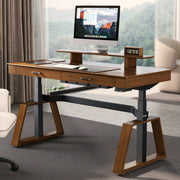
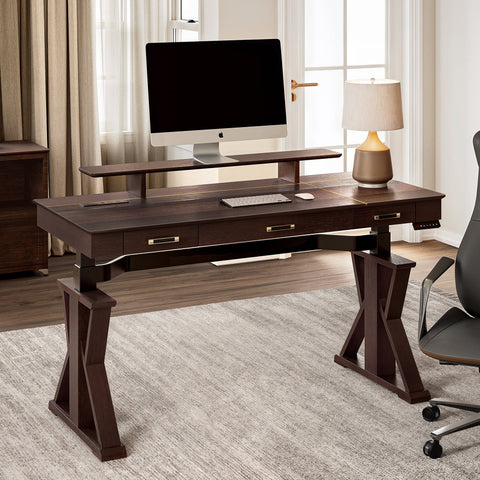
Dynamic workstations, specifically sit-to-stand desks, are strictly non-negotiable for executive clients facing intense, sedentary hours. Medical consensus indicates that alternating between sitting and standing is a primary defense against musculoskeletal degradation. However, standard standing desks often expose unsightly lifting motors, greasy telescopic columns, and a chaotic web of cables that instantly degrade a room's luxury feel.
Material Matching and Load-Bearing Calculations: Discard standard melamine or low-grade laminate desk tops. Specify dual-motor or triple-motor height-adjustable frames topped with materials that flawlessly match your room's custom millwork. Popular choices for high-end spaces include rich North American walnut veneer, carbon-stained oak, or durable sintered stone. When specifying heavy materials like natural marble, ensure the actuator columns have a high lifting capacity to prevent motor burnout.

Anti-Collision Technology and Clearance Zones: High-end offices are filled with expensive joinery. A motorized desk must feature highly sensitive anti-collision gyroscopic sensors. Furthermore, when designing the floor plan, maintain a strict 25mm to 30mm clearance gap between the moving desk edge and any rear custom cabinetry or wall panels to prevent scraping during vertical travel.

The Invisible Umbilical Cord: Avoid standard wall outlets which inevitably lead to trailing wires that ruin the spatial aesthetic. Specify a flush-mount brass or brushed steel floor box directly beneath the desk. Route the desk's power and data cables through an articulating, metallic "bionic cable spine" that moves fluidly with the desk. This guarantees that cables never touch the floor.

Touchpoint 2: Executive Seating, Pelvic Kinematics, and Flooring Friction
A high-quality chair is the undeniable anchor of ergonomic furniture for home office design. It is the piece of furniture the client will have the most intimate, prolonged physical contact with. However, the interaction between a highly technical chair and a curated luxury environment is where many bespoke designs fail.
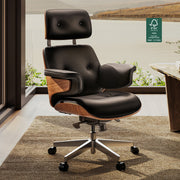
Material Elevation and Kinematic Support: Upgrade from standard corporate black mesh to premium Napa leather, semi-aniline leather, or high-grade tailored woven fabrics. Modern ergonomic brands now offer executive chairs with advanced features—such as adaptive lumbar support and dynamic synchro-tilt mechanisms—all disguised within silhouettes that suit an Italian minimalist or classic study aesthetic.

Friction Management and Soft Casters: Hard nylon casters are the enemy of luxury flooring. They will permanently scar herringbone hardwood floors or become immobilized on luxury wool rugs. Always request soft polyurethane (PU) casters on your purchase orders to ensure smooth, floor-safe gliding.
The Bespoke Luxury Chair Mat: If the room features a high-pile rug, avoid cheap plastic floor mats at all costs. Specify a custom-cut, full-grain leather mat or a heavy-duty tempered glass mat with softly beveled edges. These maintain the room's opulent feel while providing a frictionless surface.
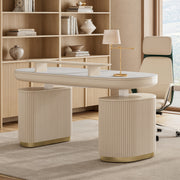
The Roll-Back Zone: Ensure a minimum clearance of 1000mm (ideally 1200mm) between the desk edge and the rear cabinetry. This allows the client to push back and recline fully without the chair back striking and damaging expensive millwork.
Touchpoint 3: Visual Ergonomics and Architectural Lighting Integration
High-end home offices frequently feature dramatic architectural lighting or floor-to-ceiling windows. While visually stunning, these frequently ignore visual ergonomics. Poor lighting design causes severe screen glare, leading to eye strain, ocular fatigue, and poor cervical posture as clients unconsciously crane their necks forward to read a washed-out screen.
Grommet Mount Installation and Gas-Spring Arms: Reclaim the executive desktop. Instead of using bulky factory monitor stands that can damage delicate wood veneers, have the manufacturer pre-drill a standard 60mm grommet hole directly into the desk surface. Specify a heavy-duty, gas-spring monitor arm that mounts cleanly through this hole, hiding all HDMI and power cables within its metal casing.
Asymmetric Task Lighting: Standard decorative desk lamps take up valuable desktop space and reflect blindingly off computer screens. Specify an asymmetric monitor light bar. This advanced optical design directs a precise pool of light only onto the keyboard, purposefully avoiding the screen entirely to eliminate glare.
Bias Lighting and Contrast Reduction: Integrate 3500K-4000K LED strip lighting under the rear desk shelves, or apply bias lighting behind the monitor itself. This reduces the harsh contrast between the glowing screen and the background, significantly reducing eye strain during evening work sessions.
Automated Solar Shading: To combat glare from luxury windows, program automated solar shades (woven with 3% to 5% opacity) to lower automatically during peak sunlight hours. This blocks harsh UV rays without entirely obscuring the client's expensive exterior views.
Touchpoint 4: Anthropometric Reach Zones and Frictionless Storage Flow
Custom millwork companies excel at building beautiful cabinetry, often prioritizing the display of art and heavy books over the actual workflow of the user. However, a workspace that requires the user to constantly twist and overextend to reach frequently used items causes repetitive strain and spikes cortisol levels due to clutter.
Primary Reach Zone Optimization: This sacred space must be reserved strictly for the keyboard, mouse, and daily writing instruments. Ensure the desk depth is sufficient (typically 750mm to 800mm) to accommodate these items without pushing the monitor too close to the user's face.

Secondary and Tertiary Storage Integration: Place secondary items (printers, heavy physical files) in a secondary reach zone—accessible by simply extending the arm without leaning the torso forward. Use matching, rolling storage pedestals that tuck perfectly under the desk.

Invisible Technology and Power Integration: Modern designer furniture should hide technology until it is needed. Specify desks that feature sub-surface wireless charging pads hidden beneath the wood veneer.

Pet-Friendly Ergonomic Integration: Many affluent clients share their working hours with pets. Consider specifying dual-purpose furniture—such as a sleek side table that features an integrated pet bed at its base. This keeps the space organized and caters to the client's personal lifestyle.

Elevate Your Next High-End Project With Bespoke Ergonomic Solutions
Choosing the right home office furniture is a true game-changer for your interior design business. As more clients look for high-end home workspaces, you have an incredible opportunity to provide them with rooms that look absolutely stunning and feel wonderfully comfortable all day long.
You no longer have to make your clients choose between a gorgeous aesthetic and a healthy back. By integrating premium ergonomic furniture for home office design into your earliest planning stages, you can seamlessly blend function and beauty. This proactive approach saves your carefully designed millwork from being cluttered with cheap, plastic aftermarket gadgets later on.
Ultimately, detailed and thoughtful specification allows you to deliver a luxurious, customized space that keeps your clients happy, healthy, and inspired to do their best work.

Frequently Asked Questions about home office interior design
Q1: How do you effectively hide power cables on a motorized height-adjustable desk situated in the center of a room?
Floor boxes combined with articulating bionic cable spines provide the definitive solution. By planning electrical floor outlets directly beneath the desk during the blueprint phase and routing wires through a flexible metal conduit, designers guarantee that no cables touch the floor or hang loosely, ensuring a pristine aesthetic even when the desk is fully elevated.
Q2: What is the most reliable method to protect expensive hardwood floors from heavy office chairs?
Soft polyurethane (PU) casters paired with a premium leather or tempered glass mat offer the ultimate protection. Traditional hard nylon wheels will irreparably scratch delicate wood and snag on luxury carpets, whereas rubberized PU casters glide flawlessly, and a high-end mat preserves the room's luxurious atmosphere while absorbing the friction of the chair.
Q3: Can highly technical ergonomic furniture be integrated into classic, vintage, or transitional interior design styles?
Yes, primarily by leveraging custom material finishes like natural walnut veneer, matte sintered stone, and top-grain leather. Modern ergonomic manufacturers now engineer advanced mechanical support systems that are intentionally disguised within traditional silhouettes, allowing high-tech functionality to blend invisibly into a mid-century or French-classic space.
Q4: How should an interior designer handle severe screen glare originating from large luxury windows in a home office?
Automated solar shades and asymmetric monitor light bars constitute the most effective intervention. Intelligent solar shades with a 3% to 5% openness factor block harsh direct sunlight and ambient glare without completely destroying the exterior view, while asymmetric task lighting illuminates the physical desktop without casting any reflective wash onto the computer monitor.
Q5: Why does meticulous and specific home office furniture specification matter for high-end design firms?
It strictly safeguards the project's visual integrity while simultaneously providing essential, health-focused postural support for the client. Leaving a high-net-worth client to independently purchase their own office equipment inevitably results in mismatched, low-quality corporate pieces that visually ruin expensive custom millwork and degrade the overall luxury aesthetic.
Leave a comment