

A home office command center works best when you plan the whole room, not just the desk. If the layout, lighting, storage, and tech are chosen separately, the room often feels cluttered and harder to use. The better approach is to treat the space as one system, then choose furniture and devices that support that system.
Why Most Command Centers Feel Fragmented
A finished-looking desk can still sit inside a disconnected room. That usually happens when people buy pieces in isolation, then try to make them work together after the fact. The result is visual clutter, awkward reach paths, and more friction every time the room switches from deep work to calls or quick admin.
That is why the phrase home office command center matters here. The goal is not simply a larger workstation. It is a room that reads clearly, moves easily, and supports your work habits without forcing constant rearranging.
For readers starting from scratch, a room-first approach is usually safer than chasing accessories first. If the room already feels crowded or visually busy, the fix is often to reduce overlap between zones before adding more tech. A practical follow-up on room-first setup is New Year, New Studio: Moving Beyond the Bedroom Setup, which fits the same planning mindset.
Plan the Room Before the Desk
Room planning should start with zones, not products. Separate the space into primary work, secondary storage, and visual display so the room feels intentional from the doorway. The CDC/NIOSH office environment guidance is a useful reminder that movement paths and natural light access matter before you decide where the desk goes.

For most rooms, the desk should not default to the center. A centered desk can look dramatic, but it often cuts into circulation and makes storage harder to place. If your room is narrow, a wall-adjacent or corner-based setup is usually easier to live with because it preserves walking space and gives storage somewhere natural to land.
Measure the room first, then judge every item against those real clearances. The Washington L&I home office self-assessment reinforces that habit: your chair, desk, and monitor choices only work if the room can actually support them.
When the room has more than one job, create a transition zone. That is the place for charging, device parking, and end-of-day reset habits. If you do not reserve a reset area, cables and tools tend to spread back into the work surface.
Zoned Work Paths and Sightlines
A clean room layout is easier to maintain than a crowded one. Keep the main work path open, and make sure your chair can move without bumping into storage or device stands. If a piece blocks the path on day one, it usually becomes a recurring annoyance later.
Desk Placement for Daily Flow
Desk placement should follow use, not symmetry. Place the desk where you get the best mix of clear movement, usable daylight, and low visual distraction. If natural light causes screen glare, move the desk slightly off-axis instead of forcing it to sit in the brightest line of the window.
Storage That Protects Floor Space
Storage should do more than hide clutter. It should protect the room’s usable floor area and keep the center of the room open. That is where an Office Desks collection or more specialized shapes like L shaped Standing Desks can help, but only if the room has enough clearance for them to function without crowding.
Hybrid Work Transition Points
Hybrid rooms need a handoff point. That is where laptops, headsets, notepads, and chargers live when the workday ends. If you have to clear the desk every night by carrying items around the room, the setup is probably too fragmented to stay consistent.
How Lighting Shapes the Workflow
Lighting changes both how the room functions and how it feels. The IES lighting library is the right anchor here because it distinguishes work-surface visibility from room-level ambience, which is the exact split a command center needs.
Task lighting should make the surface easy to read, write on, and work over without strain from poor visibility. Ambient lighting should soften contrast so the room does not feel like a single bright desk floating in a dark shell. In practice, that means task light for the work zone, ambient light for the room, and accent light only where it supports the room’s identity.

For evening work, smart control becomes useful when it lets you shift brightness or mood without changing the whole room. That is the point where an Accessory Lights collection becomes more than decoration: it can support different work states if it is used with restraint. If you want a more decorative route, Gaming Desk RGB Lighting Ideas to Inspire You can work, but only when the room still reads as a workspace first.
Accent lighting is the easiest layer to overdo. A little can give the room identity and help separate zones, but too much can make the setup feel like a game room instead of a working room. If your goal is focus, keep color changes subtle and make sure the brightest light still serves the task surface.
Task Light for Focused Work
Use task light to solve visibility first. If the desk surface is hard to read in the evening, the room is telling you the task layer is too weak. That matters more than whether the lamp looks stylish.
Ambient Light for Room Cohesion
Ambient light matters because it connects the work zone to the rest of the room. A command center feels more finished when the background is gently lit, not left in shadow behind the desk.
Accent Light for Energy and Identity
Accent light should support the room’s palette, not fight it. It works best when it creates a controlled visual cue, like highlighting a shelf or wall panel, rather than competing with the main workspace.
Smart Control for Evening Sessions
Smart control is most helpful when it saves setup time. If the room transitions from daytime focus to evening work, presets are more useful than manual fiddling. That is especially true in a smart office setup where lights, screens, and seating all need to shift together.
Which Furniture Builds the Ecosystem
Furniture is where the room becomes practical. A total room ecosystem needs surfaces, storage, and a place to reset, not just a desk that looks premium from the front.
| Furniture Choice | Role In The Ecosystem | Space It Uses Or Saves | Best Work Mode | Main Trade-Off | Best-Fit Room Scenario |
|---|---|---|---|---|---|
| Sit-stand L-shaped desk | Expands the work zone and supports multiple tasks | Uses more floor space but can organize more gear | Multitasking, monitor-heavy work, document spread | Strong function, but it needs room to breathe | Dedicated office with enough clearance |
| Glass standing desk | Creates a lighter visual footprint | Saves visual bulk, but still needs clear access | Cleaner, simpler single-station work | Style-forward, but less forgiving for clutter | Smaller room that still wants a premium look |
| Storage cabinetry | Keeps supplies and devices out of sight | Frees the desktop and floor from overflow | Paper work, equipment storage, reset routines | Can crowd the room if oversized | Rooms that need order and hidden storage |
| Reset seat or lounge perch | Supports calls, reading, and short breaks | Uses some extra footprint | Mixed work-rest rhythm | Helpful, but not essential in every room | Hybrid room that needs a pause zone |
A larger desk makes sense when the room needs separate zones for monitors, papers, and peripherals. The Zen Pro Series, 87"/72" Executive Standing Desk with Cabinets Set is a useful reference point for that kind of footprint because it pairs storage with a large work surface. If you need something more compact and visually lighter, the Wonder, Touch-Activated Glowing Glass Standing Desk (47"x23") fits a tighter room better, but it asks you to stay more disciplined about clutter.
The chair also matters because the room ecosystem only works if sitting feels sustainable. A well-supported chair, such as the Nico mesh ergonomic office chair, is less about style and more about whether you can stay in the room comfortably through long calls, reading, and short work blocks. If the room includes a recovery or reading corner, that chair can anchor both work and rest without changing the room’s visual tone.
The main not-a-fit case is simple. If a furniture choice forces you to sacrifice walk space, block a drawer, or crowd the desk surface, it is too large or too complex for the room. In that case, a smaller desk plus smarter storage usually beats a bigger piece that looks impressive but works poorly.
What Tech Belongs in the Room
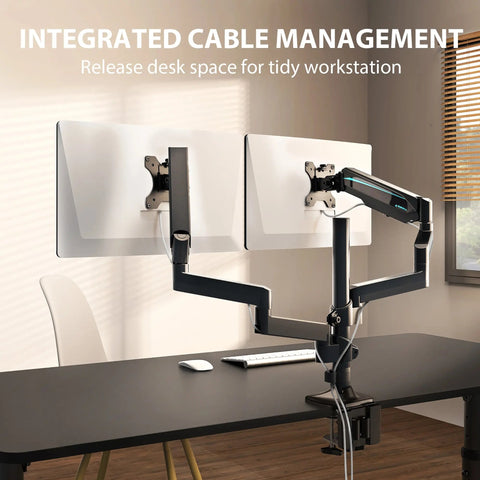
Smart tech should reduce friction, not add more objects to manage. Cable routing is part of room design because visible cords break the ecosystem feeling immediately, especially when the rest of the room is clean and deliberate.
The easiest win is to keep the desktop visually calm. A pull-out tray can free surface area, while a mounted organizer keeps small items from spreading across the work zone. The pull-out keyboard tray is most useful when the desk surface is already busy and you need a more predictable typing position without adding clutter.
For wall-side organization, the Aegispeg Board works as a browsing path if you need to store tools or accessories near the room perimeter. It is better treated as a planning aid than a universal solution, because pegboard usefulness depends on what you actually need within arm’s reach.
Cable control should be treated as a routine, not a one-time task. A Magnetic Cable Tie helps bundle and lift loose cords off the floor, which makes the room easier to clean and less visually noisy. That kind of tool matters most after upgrades, when extra cables tend to appear behind the desk.
Cable Discipline and Power Routing
Keep power paths predictable. If cords cross the room or hang visibly at eye level, the setup feels unfinished even when the furniture is expensive. Route cables where they are easy to service later, not just where they disappear fastest.
Monitor Mounting and Desk Surface Control
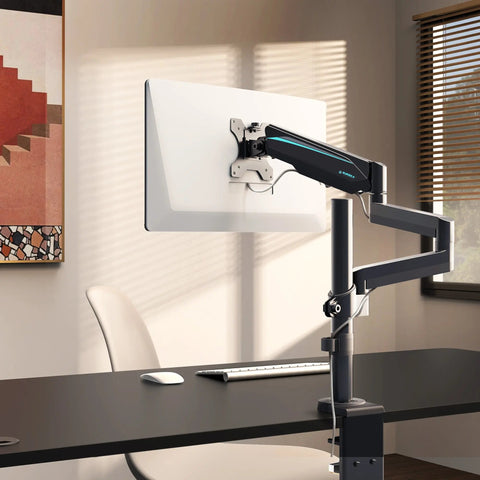
Monitor mounting helps when the desk surface is crowded. It clears room for writing, note-taking, and quick task switching. Just check desk thickness, arm reach, and load limits before buying, because the wrong fit creates more frustration than it solves.
Desk-Mounted Organization for Daily Tools
Daily tools should have a home. Pens, chargers, controllers, and notebooks are easier to keep tidy when they live in the same zone every day. The more predictable the placement, the less time you spend mentally searching for items.
Compatibility Checks Before Purchase
Compatibility is where many command centers break down. Check dimensions, weight limits, mounting depth, and access paths before you buy. A smart office setup only stays smart when the devices actually fit the room and the desk they are attached to.
Check Fit, Flow, and Maintenance
A command center should still feel intentional months later, not just on installation day. That means checking fit, then checking it again after use patterns settle in.
- Measure the room first, including walking paths, chair clearance, and the space needed for storage doors or drawers.
- Confirm that the desk, chair, and monitor setup leave room for everyday movement, not just sitting still.
- Test the room in daylight and after dark, because a setup that feels balanced at noon can feel harsh or underlit at night.
- Review cable paths after every equipment change so new devices do not undo the room’s calm.
- Clean surfaces and reassess storage on a regular cadence so the room does not drift back into clutter.
The New York DOCS maintenance cadence is not a home office rulebook, but the general habit still applies: periodic resets keep systems intentional. That is especially true in a home office command center, where small changes accumulate quickly.
The practical rule is straightforward. If a room only works after you keep making exceptions, it is not yet stable enough. The better version is the one that still works when the day gets busy, the light changes, and a new device is added.
What a Cohesive Room Does Better
A cohesive room does not just look better in photos. It reduces setup friction, lowers the chance of accidental clutter, and makes it easier to move from one work mode to another without feeling like the room is resisting you.
Consider a dual-monitor workflow: the Ultimate Dual Monitor Layout for Maximum Productivity shows how sightlines and cable paths stay predictable when the room is planned as one system. RGB accents can also serve function, as shown in Smart RGB Cues: Using Lighting to Track Your Render Status, without turning the space into a gaming lounge. Guest-facing rooms benefit from Lighting the Way: Using Ambient Glow to Guide Office Guests to maintain calm while directing attention.
That is the real promise of a 2026 home office command center: fewer small failures, more repeatable routines, and a space that stays useful as your workflow changes.
FAQs
Q1. How Do I Start a Home Office Command Center?
Start by mapping the room into work, storage, and transition zones before buying anything. If the desk comes first, you usually end up designing around a mistake instead of around the room’s real dimensions.
Q2. What Makes a Smart Office Setup Feel Cohesive?
Cohesion comes from one control story, not from buying more devices. When the lighting, furniture finishes, and cable paths all support the same room purpose, the space feels calmer and easier to use.
Q3. Can an L Shaped Desk Fit a Small Room?
It can, if the second wing has a real job and the room still has clear movement paths. If the corner becomes a catch-all zone, a smaller desk with better storage is usually the smarter choice.
Q4. Why Does Cable Management Matter in a Command Center?
Cable management protects visual calm and makes cleaning easier. It also reduces the chance that every small device swap creates a new mess behind the desk.
Q5. How Often Should I Recheck My Room Layout?
Recheck it after major device changes, seasonal lighting shifts, or workflow changes. A quick review every few months is usually enough to catch drift before the room stops feeling deliberate.




Leave a comment