

Beyond Relaxation: The Ergonomics of Lounge Chairs for Ideation
In the modern corporate landscape, a persistent misconception exists that lounge furniture is exclusively reserved for periods of inactivity. This binary view ignores the physiological reality of cognitive performance. Many professionals find that strategic breakthroughs often occur not while sitting upright at a desk, but during periods of "active reclining."
Quick Summary (Answer First): To transform a lounge area into a high-performance ideation zone, prioritize seating that supports a 100–120° recline range. This "sweet spot" maintains cognitive alertness while reducing spinal load. Effective setups require a coordinated ecosystem: a seat height of 16–18 inches for easy transitions, paired with a 23-inch high side surface to prevent "shrimp" posture. When implemented correctly, these ergonomic interventions can potentially pay for themselves in months by reducing physical distraction and fatigue.
Ideation Zone Checklist: 5 Core Execution Steps
- Select Dynamic Seating: Choose chairs with a 360° swivel to allow for easy transitions between solo focus and group collaboration.
- Target the 110° Angle: Avoid deep, 135°+ "nap" reclines; aim for 100–120° to keep the core stable and the mind engaged.
- Match Table to Chair: Use side tables approximately 22–24 inches high (depending on seat compression) to keep elbows at a 90° angle.
- Prioritize Breathability: Use perforated or high-quality synthetic materials to manage the microclimate during 90-minute focus sessions.
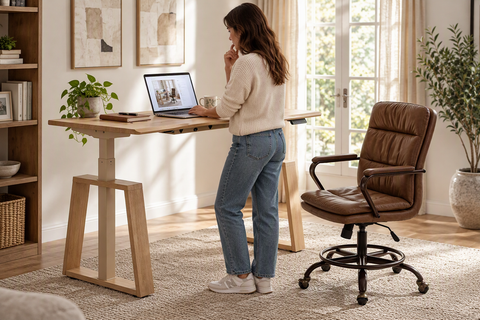
- Plan for Movement: Position lounge clusters near standing-height surfaces to encourage the "20-8-2" (20 mins sitting, 8 mins standing, 2 mins moving) rhythm.
(Note: Products featured in this guide are Eureka Ergonomic designs, selected to illustrate how these ergonomic principles are applied in commercial-grade furniture.)
The Physiology of Cognitive Fatigue and Static Load
The human body is not designed for prolonged static positions. According to the World Health Organization (WHO) 2020 Guidelines on Physical Activity and Sedentary Behaviour, reducing sedentary time and interrupting long periods of static behavior are critical for long-term health. In professional settings, static load is a significant contributor to Musculoskeletal Disorders (MSDs), which can drive workplace absenteeism.
When an individual sits in a traditional 90-degree upright posture for extended periods, the lumbar spine can lose its natural curvature, increasing pressure on the intervertebral discs. Research from EU-OSHA on Musculoskeletal Disorders and Prolonged Static Sitting indicates that static sitting is a risk factor for lower back pain, which often correlates with decreased cognitive stamina.
Effective ideation requires a physiological state that balances relaxation with alertness. If the body is too relaxed (as in a soft, unstructured sofa), the lack of support can lead to "slumping," compressing the diaphragm. Conversely, if the posture is too rigid, physical tension may trigger a subtle stress response, which is often counterproductive to the expansive thinking required for creative breakthroughs.
The Ideation Recline: Finding the 100-120° Sweet Spot
A common ergonomic "gotcha" is the assumption that a 135-degree recline is the ultimate goal for all non-desk tasks. While effective for passive activities like watching a presentation, it is often too reclined for active ideation involving tablets or notebooks.
Professional office designers generally advocate for a recline range of 100-120°. Based on our internal ergonomic modeling (assuming a 50th-95th percentile male user), this range can reduce hip pressure by an estimated 40% compared to standard 90° seating by opening the trunk-to-thigh angle. This configuration aligns with the intent of ISO 9241-5:2024 standards, which emphasize postural variety to prevent fatigue.
Furthermore, a "neutral spine" position is more achievable in a slightly reclined state. By opening the hip angle beyond 90 degrees, the pelvis can rotate naturally, allowing the lower back to rest against a contoured support system. This can reduce the "fidget factor" caused by discomfort, potentially allowing for focus sessions of 90 minutes or more.
Engineering the Innovation Hub: Functional Lounge Solutions
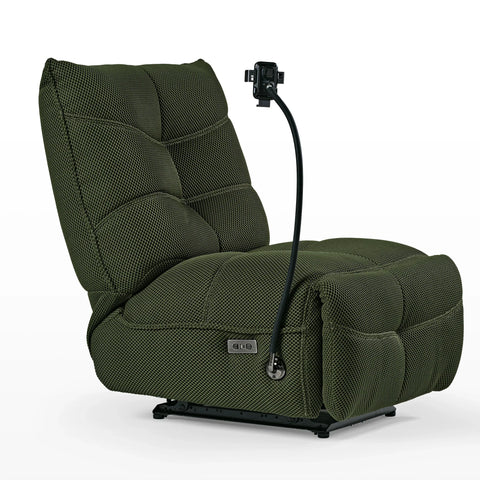
To bridge the gap between comfort and productivity, furniture selection should prioritize adjustability and material science. A primary example of this evolution is the Alexia Swivel Lounge Chair. Unlike fixed residential armchairs, this model features a 360-degree swivel base. In our experience with corporate "thinking pods," the ability to pivot effortlessly between an individual notebook and a colleague’s discussion helps prevent the neck torsion that can lead to cervical strain.
Another critical factor is thermal comfort. During intense thinking sessions, the body generates heat. If the chair's material is non-breathable, heat buildup in the lumbar region can cause physical restlessness. Selecting chairs with breathable synthetic leather or perforated surfaces helps ensure the microclimate remains stable.
For collaborative zones, seating must facilitate easy transitions. A seat height of approximately 16-18 inches is typically recommended to allow users to stand up quickly without the excessive knee strain associated with low-slung lounge furniture. This design logic is supported by the BIFMA G1-2013 Ergonomics Guideline, which provides dimensions to fit a broad range of the population.
The Ecosystem Approach: Integrating Technology and Surfaces
A lounge chair in isolation is rarely a complete productivity tool. It must be paired with appropriate surfaces and technology management.
1. Surface Integration
The 23" Contemporary Style Side Table serves as a vital component of the ideation ecosystem. At a height of 23 inches, it is specifically designed to accommodate laptops for seated users. Placing a laptop on a standard 18-inch coffee table often forces a "shrimp" posture—extreme neck flexion and shoulder protraction—which can contribute to upper-back pain.
2. Mobile Technology Support
In high-tech hubs, the need for mobile power is constant. Integrating a Height-Adjustable Illuminated Panel CPU Cart allows for flexible configurations. These mobile carts provide the necessary infrastructure for data-intensive work, ensuring hardware remains ventilated and accessible even in informal settings.
3. Formal-Informal Hybridity
The Rlesana Velvet Dining Side Chair offers a petal-shaped backrest that provides lateral support. While it leans toward a dining aesthetic, its ergonomic support profile makes it suitable for "breakout" sessions where a more upright, yet comfortable, posture is desired.
Quantitative Analysis: The ROI of Ergonomic Lounge Spaces
For corporate decision-makers, ergonomic lounge spaces are often justified through Return on Investment (ROI) metrics. Improved ergonomics is a performance enhancer. According to a meta-analysis by Santos et al. (2025), ergonomic interventions can significantly reduce musculoskeletal pain, which in turn may boost focus and output.
Modeling the "Innovation Hub" ROI (Example Case)
The following table represents a deterministic scenario model for a senior executive (approx. 185cm stature) participating in 3-hour ideation sessions. This is an illustrative estimate, not a clinical guarantee.
| Parameter | Estimated Value | Rationale / Assumptions |
|---|---|---|
| Annual Productivity Value Gain | ~$13,500 | Assumes a 15% efficiency uplift (reduced distraction/breaks) for a $150/hr executive over a 200-day work year. |
| Payback Period | ~2.2 Months | Based on a $2,500 total workstation investment vs. the projected productivity gain. |
| Estimated Caloric Benefit | ~134 kcal | Calculated delta between 8 hours of static sitting vs. dynamic reclining/movement over a full day. |
| Required Room Depth | 274 cm | Includes chair footprint, 360° swivel clearance, and standard ADA-compliant path. |
Methodology Note: These figures are based on internal modeling that assumes a conservative 15% reduction in "discomfort-driven downtime" following ergonomic intervention. Actual results will vary based on individual salary, usage frequency, and existing health factors.
Practical Recommendations for Office Managers
- Prioritize the "20-8-2" Rhythm: As suggested by the Cornell University Ergonomics Web, users should aim for 20 minutes of sitting, 8 minutes of standing, and 2 minutes of moving.
- Verify Seat Height Ranges: Ensure lounge chairs cater to a diverse workforce. A fixed seat height of 19 inches may be comfortable for a tall executive but may cause pressure behind the knees for a 5th-percentile female user.
- Adjustable Surfaces are Essential: For laptop work, side tables should allow elbows to remain at a ~90-degree angle. A 22–24 inch table height is the heuristic "sweet spot" for most lounge seating.
- Lighting and Glare: Position lounge zones to avoid screen glare from windows. Proper lighting is as essential as seating for reducing the visual fatigue that hampers creative thinking.
The Future of the "Resimercial" Workspace
As the boundary between home and office continues to blur, the demand for furniture that combines "home-like" comfort with "office-grade" performance will likely increase. This represents a shift toward human-centric design—recognizing that the best ideas often come when we are at our most comfortable.
By investing in scientifically-backed seating, organizations provide their teams with the physiological foundation necessary for strategic thought. For a deeper look into the future of office design, refer to The 2026 Workstation White Paper, which outlines the evolution of the professional workspace.
Disclaimer: This article is for informational purposes only and does not constitute professional medical advice. Individuals with pre-existing musculoskeletal conditions should consult a qualified physiotherapist or occupational therapist before modifying their workstation or seating habits.
References
- BIFMA G1-2013 Ergonomics Guideline for Furniture
- ISO 9241-5:2024 Workstation layout & postural requirements
- OSHA eTools: Computer Workstations - Neutral Working Postures
- WHO 2020 Guidelines on Physical Activity & Sedentary Behaviour
- Santos et al., 2025 – Ergonomic Interventions & Work-Related Musculoskeletal Pain
- Cochrane: Workplace interventions for reducing sitting at work (2018)
- Cornell University Ergonomics Web — Workstation Guides




Leave a comment