

The Hidden Infrastructure of Productivity: ESG and Ergonomic Procurement
Executive Summary: For procurement managers, transitioning to ergonomic, low-emission furniture is a strategic ESG move that can yield a payback period of approximately 5.5 to 12 months. By prioritizing GREENGUARD Gold and BIFMA certifications, organizations can mitigate musculoskeletal risks and improve indoor air quality. Success requires a dual approach: selecting high-durability hardware (such as dual-motor desks) and implementing employee education programs like the "20-8-2" sit-stand rhythm.
In the modern corporate landscape, the workstation is no longer viewed as a mere piece of inventory. It has evolved into a critical component of a company’s Environment, Social, and Governance (ESG) strategy. For procurement managers and facility planners, the challenge is no longer just finding a desk that fits a budget; it is about mitigating the "static load" on human physiology while ensuring that the physical assets support broader sustainability goals.
Why does employee discomfort often peak in the mid-afternoon? The answer often lies in the physiological impact of prolonged static postures. When a workforce remains sedentary, the body can experience restricted blood circulation and increased pressure on the intervertebral discs. This phenomenon, often categorized under Musculoskeletal Disorders (MSDs), represents a significant hidden cost, frequently manifesting as reduced concentration and increased absenteeism.
As organizations move toward more rigorous ESG reporting, the procurement of low-emission, ergonomically certified furniture has become a primary lever for improving corporate wellness scores and meeting green building standards like LEED and WELL.
The Science of Static Load and Musculoskeletal Health
The human body is designed for movement. According to the ISO 11226:2000 standard for the evaluation of static working postures, maintaining any single position for an extended duration—even a "perfect" seated posture—can lead to localized muscle fatigue and reduced metabolic efficiency.
Physiologically, prolonged sitting causes the hip flexors to shorten and the gluteal muscles to become underactive. More critically, the lack of movement inhibits the "skeletal muscle pump" in the lower limbs. The World Health Organization (WHO) 2020 Guidelines on Physical Activity and Sedentary Behaviour emphasize that interrupting sedentary time with even light activity is vital for metabolic health.
Ergonomic furniture addresses these constraints by facilitating a "spinal neutral position." This position is designed to minimize stress on the musculoskeletal system. The BIFMA G1-2013 Ergonomics Guideline provides the industry-standard dimensions required to fit the 5th to 95th percentile of the population, helping ensure that a single bulk order can accommodate a diverse workforce.
Heuristic Note: Our framework for musculoskeletal health assumes that furniture must be adjustable to maintain a neutral spine. This is based on general ergonomic principles and OSHA eTools: Computer Workstations - Neutral Working Postures, which defines the joint angles necessary to minimize mechanical stress.
The Low-Emission Mandate: GREENGUARD Gold and ESG
While physical ergonomics addresses the "Social" aspect of ESG (employee health), the materials used in furniture address the "Environmental" and "Governance" components. Indoor air quality (IAQ) is a critical concern for facility managers, particularly in high-occupancy corporate headquarters.
Many traditional furniture finishes and adhesives release Volatile Organic Compounds (VOCs) through off-gassing. To mitigate this, procurement officers prioritize UL GREENGUARD Gold Certification. This standard is more stringent than the base GREENGUARD certification, as it accounts for health-based factors for sensitive individuals.
The Procurement Oversight: Off-Gassing Timelines
A common oversight in bulk procurement is the installation-to-occupancy timeline. Based on our internal facility management observations, even GREENGUARD Gold-certified products may have a slight residual odor upon unboxing. Experienced managers often schedule installations during low-occupancy periods and increase HVAC ventilation for 48–72 hours prior to employee return to ensure IAQ readings are optimal from day one.

For executive suites, the Opal Executive Standing Desk (66"x29") (Brand Product) provides a blueprint for this convergence. It utilizes materials that align with BIFMA Standards (ANSI/BIFMA X5 series) for durability while offering the adjustability required to break static loads.
Quantifying the ROI: Scenario Modeling for Procurement
The transition to ergonomic workstations is often scrutinized as a capital expenditure. However, when modeled against potential productivity gains, the payback period is often competitive.
Illustrative ROI Scenario (500-Person Office)
The following table represents a deterministic model based on professional averages and behavioral research. These figures are estimates for planning purposes and not a guarantee of financial return.
| Parameter | Value | Unit | Basis / Assumption |
|---|---|---|---|
| Average Hourly Wage | 45 | USD | Professional average including benefits |
| Productivity Coefficient | 0.12 | Ratio | Based on Texas A&M studies on sit-stand desks |
| Standing Time | 120 | Min/Day | Recommended target for sedentary workers |
| Annual Work Days | 240 | Days | Standard corporate calendar |
| Desk Cost (Bulk) | 1200 | USD | Premium GREENGUARD Gold certified unit |
Key Model Outputs & Formulas:
- Annual Productivity Value Gain: ~$2,592 per employee. (Formula: Hourly Wage × Hours Saved/Improved × Days).
- Estimated Payback Period: Approximately 5.5 months.
- Carbon Offset: ~15kg CO2 savings per desk annually. (Calculated based on the difference between high-efficiency dual-motor standby power vs. traditional electric motor benchmarks).
Modeling Note: Actual results vary based on individual usage and corporate wellness engagement. The 12% productivity coefficient is an estimate derived from observational studies; even at a 5% coefficient, the payback period typically remains under one year.
Beyond productivity, the Cochrane Review on Workplace interventions for reducing sitting at work suggests that sit-stand desks can reduce sitting time by 84 to 116 minutes per day. Furthermore, as noted in our internal 2026 Workstation White Paper, the integration of sustainable materials like FSC-certified wood is increasingly vital for firms seeking top-tier ESG ratings.
Strategic Procurement: A Checklist for Bulk Buying
1. Verification of Standards
Ensure all seating meets ANSI/BIFMA X5.1 General-Purpose Office Chairs standards. This helps ensure the chair can withstand the rigors of a 24/7 office environment. For executive roles, the Royal II, Silicone & Leather Executive Ergonomic Office Chair (Brand Product) combines these durability standards with high-back support.

2. Dual-Motor Reliability
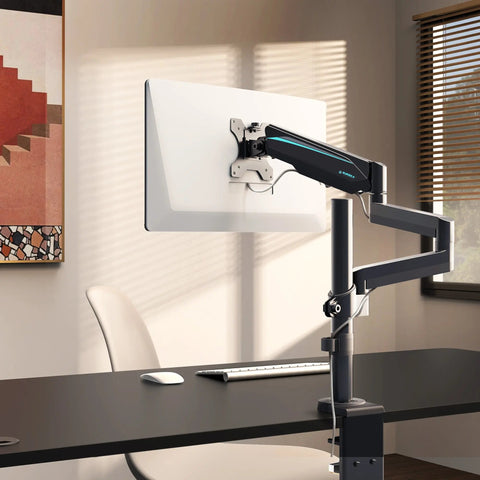
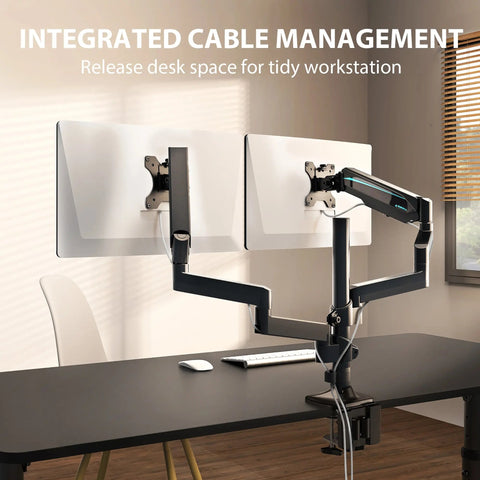
For standing desks, dual-motor systems are preferred for bulk corporate use. Internal testing suggests that a standard dual-monitor setup typically utilizes only ~49% of a dual-motor's capacity (120kg), compared to ~74% of a single-motor unit. This lower utilization rate can significantly extend the motor's lifespan, reducing long-term maintenance costs.
3. Comprehensive Certification
Verify that certifications like GREENGUARD Gold extend to all components. Adhesives in drawer slides and finishes on metal frames are often overlooked. Products like the Ark X Executive Standing Desk (60"x26") (Brand Product) are designed with these integrated material standards in mind.
Eco-Friendly Desks: A Smart Choice for Your Office (Internal Article) highlights how these choices impact the overall environmental footprint.
Practical Recommendations for the Modern Workday
The "20-8-2" Rhythm
Derived from the Cornell University Ergonomics Web, the 20-8-2 rule is a practical heuristic:
- 20 Minutes Sitting: In a neutral posture with proper lumbar support.
- 8 Minutes Standing: To re-engage circulation.
- 2 Minutes Moving: Stretching or walking to facilitate metabolic activity.
Workstation Setup Checklist
Aligned with Safe Work Australia guidelines:
- Monitor Height: The top third of the screen should be at eye level.
- Elbow Angle: Ideally between 90 and 120 degrees.
- Legroom: Ensure sufficient clearance, as specified in OSHA eTools: Computer Workstations - Desks.

Conclusion: The Strategic Value of Ergonomic Assets
Investing in low-emission, ergonomic furniture is a move that aligns corporate procurement with ESG reporting and employee well-being. By prioritizing certifications like GREENGUARD Gold and BIFMA, organizations can realize a tangible ROI through potential productivity gains and reduced health-related costs.
As our internal guide on Eco-Friendly Standing Desk Health Benefits suggests, these investments contribute to a more sustainable and resilient corporate culture.
YMYL Disclaimer: This article is for informational purposes only and does not constitute professional medical, legal, or financial advice. Ergonomic recommendations are based on general industry standards and modeling. Individuals with pre-existing musculoskeletal conditions should consult a qualified healthcare professional or occupational therapist before implementing a new workstation routine.
References
- BIFMA G1-2013 Ergonomics Guideline for Furniture. Link
- ISO 9241-5:2024 Workstation layout & postural requirements. Link
- Cochrane: Workplace interventions for reducing sitting at work (2018). Link
- WHO 2020 Guidelines on Physical Activity & Sedentary Behaviour. Link
- UL GREENGUARD Certification. Link
- OSHA eTools: Computer Workstations. Link
- Cornell University Ergonomics Web — Workstation Guides. Link
- ISO 11226:2000 Evaluation of static working postures. Link




Leave a comment