

Some HSA FSA standing desk purchases may qualify, and some ergonomic chairs may too, but only when the item is tied to a qualified medical purpose and your plan administrator accepts the documentation. The practical question is not just "can I use HSA or FSA funds?" It is "what proof do I need, and should I pay at checkout or ask for reimbursement later?"
Can You Use HSA or FSA for Ergonomic Furniture?
Yes, sometimes, but not as a blanket rule. A standing desk is generally treated as a non-qualifying expense unless it is supported by medical documentation for eligibility and a licensed provider's recommendation. An ergonomic chair can follow the same logic. The purchase has to be tied to a qualified medical purpose, not just comfort or productivity.
The safest way to think about HSA FSA standing desk shopping is this: the item does not qualify because it is a desk or chair; it may qualify because it is part of medical care. The IRS definition of a medical expense includes costs for diagnosis, cure, mitigation, treatment, or prevention of disease, or for treatments affecting body structure or function.qualified medical expense That is why the plan, the paperwork, and the medical reason matter more than the furniture category.
For most shoppers, the first decision is whether you already have documentation. If you do, you may be able to use your card or submit for reimbursement depending on the plan. If you do not, do not assume the checkout will clear just because the product looks ergonomic. That is where many rejected claims start.
How HSA and FSA Eligibility Works
What usually matters is whether the expense is medically supported, not whether the furniture sounds health-focused. A comfort-only upgrade is the weakest case. A purchase that is connected to a diagnosed condition, a provider's recommendation, or a plan-approved rationale is much stronger. The product itself is only part of the decision.

For a standing desk, chair, or similar item, check three things first: the medical purpose, the documentation standard, and the administrator's interpretation. The IRS sets the broad medical-expense baseline, but your administrator decides how your account is substantiated in practice.IRS medical expense definition That is why two buyers can look at the same chair and get different outcomes.
HSA and FSA accounts are both used for qualified medical expenses, but the workflow can differ. Some plans allow direct card checkout when the paperwork is already in place. Others work better as pay-first, reimburse-later claims. The key is not to confuse account type with approval. A card can speed payment, but it does not create eligibility by itself.
If you are choosing between comfort and medical necessity, that is the fault line. Comfort alone is usually the weaker case. Medical need plus documentation is the path that tends to hold up better.
Letter of Medical Necessity Basics
A letter of medical necessity is simple: it explains why a specific item is essential for treating a diagnosed condition. For dual-use items like ergonomic furniture, that letter is often the bridge between "nice ergonomic upgrade" and "plan-supported medical expense." It does not promise approval, but it gives the administrator a reason to review the claim as medical rather than general wellness spending.
A strong LMN usually includes the patient's name, diagnosis context, the recommended item, a statement of medical necessity, treatment duration, and the provider's signature and credentials.LMN contents checklist If one of those pieces is missing, the request may slow down or get pushed back for more information.
The easiest way to avoid delays is to match the letter to the item you plan to buy. If the letter mentions a standing desk, the receipt should reflect that same item. If the letter is about an ergonomic chair, the product description should not drift into a different category. Mismatched names and vague wording create avoidable friction.
Before you order, gather the letter, the exact product name, and any plan instructions on how the claim should be submitted. That small step can save you from paying twice.
Checkout or Reimbursement Workflow
- Confirm the item is plausibly eligible under your plan. A standing desk or chair can qualify only when the medical purpose and documentation line up.
- Get the LMN or provider note ready before checkout if your administrator requires it.
- Choose the purchase path your plan allows. Some buyers pay with an HSA or FSA card; others pay out of pocket and submit for reimbursement.
- Save the order confirmation, receipt, and the letter together. If the item name on the receipt is too generic, capture a fuller invoice if the seller provides one.
- Keep the paperwork in one place in case the administrator asks for follow-up.
That workflow is the main reason people should treat HSA FSA standing desk purchases as a process, not a one-click checkout trick. The IRS rules on reimbursed medical expenses and plan-substantiation requirements mean the paperwork matters as much as the furniture.
If you already have the letter, card checkout may be the smoother path. If you do not, pay-first reimbursement can be the more realistic route, but only if the plan accepts the documentation later. Either way, do not count on the retailer to decide eligibility. The store can process the order, but your administrator decides the claim.
For shoppers who want to start browsing while keeping the paperwork in mind, our standing desk options and ergonomic chair options are useful category starting points. If you already know you want a desk-focused setup, a new professional desk collection can help narrow the search; if you are chair-first, office chair options may be the better path.
Which Products Fit Different Buyer Needs?
| Buyer path | Eligibility friction risk | Why this is the safer reading |
|---|---|---|
| Buy without an LMN and hope the card works at checkout | Higher | Card approval can depend on the plan or administrator, so this is the least reliable route. |
| Buy first, then seek reimbursement | Medium | Reimbursement still depends on the item meeting the plan's medical-care rules and on documentation. |
| Get a specific LMN before purchase, then follow the plan's reimbursement rules | Lower | The letter ties one item to medical necessity, but it still does not guarantee approval. |
| Use a standing desk or chair only if the plan explicitly allows it or the LMN supports that exact item | Lowest | This is the most conservative path because it aligns the item, the medical reason, and the administrator's rules. |
That matrix is the cleanest way to reduce eligibility friction. If your condition is still vague, do not jump straight to the product. If your condition and paperwork are specific, the purchase path gets much clearer. For example, our standing desk collection is a better browse path when you are desk-first, while office seating options make more sense when your provider is pointing you toward chair support.
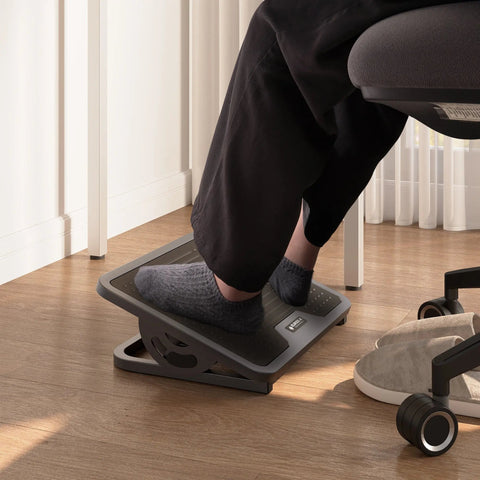
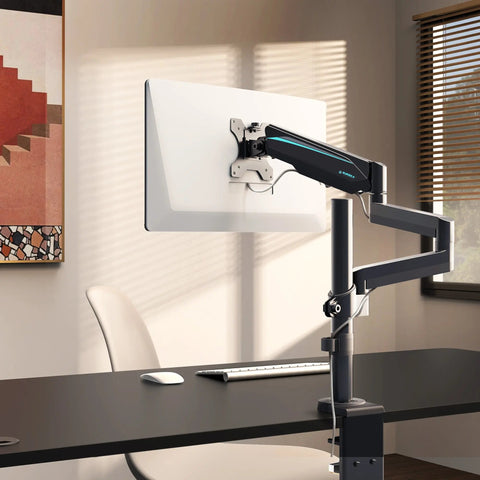
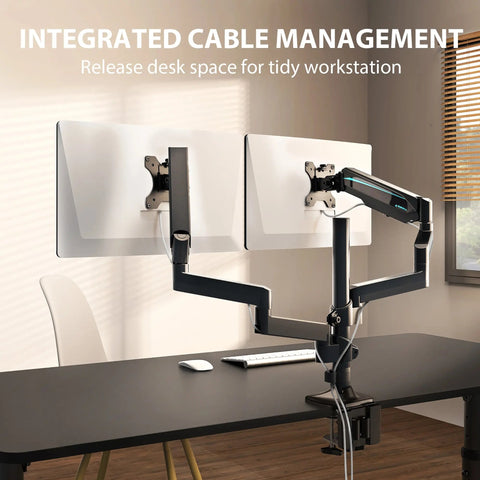
A desk-and-chair combo can still make sense when your condition affects your whole workstation, but that usually means more documentation and more receipt matching. Accessories like footrests or monitor arms may be useful ergonomically, yet their eligibility can be even more plan-dependent, so check before you assume they belong in the same claim.
Final Takeaway
The short version is this: some HSA and FSA purchases for standing desks and ergonomic chairs may qualify, but only when the medical purpose, the letter, and the plan rules all line up. If you already have documentation, move carefully into checkout. If you do not, get the paperwork first and avoid guessing at eligibility. When you are ready, compare the desk or chair that fits your setup, then verify the claim path before you place the order.
FAQs
Can You Use HSA Funds for a Standing Desk?
Sometimes. The desk needs to be tied to a qualified medical purpose, and many administrators want documentation before they will treat it as an eligible expense. A standing desk is not automatically covered just because it is ergonomic.
Can You Use FSA Funds for an Ergonomic Chair?
Often, but only with the right medical support and plan rules. An ergonomic chair can be part of a valid claim when it is recommended for a diagnosed condition. Without that link, it is more likely to be treated as a comfort purchase.
What Is a Letter of Medical Necessity for Ergonomic Furniture?
It is a provider's explanation of why a specific desk or chair is needed to treat a condition. The strongest letters name the item, describe the condition, and explain why the item is medically necessary.
How Do You Buy a Standing Desk With HSA or FSA Funds?
First confirm eligibility, then check whether your plan wants the letter before checkout. After that, either pay with the card or pay first and submit for reimbursement, depending on the administrator's rules. Save the receipt and letter together.
Can You Reimburse Yourself After Buying First?
Sometimes, if the expense is eligible and your administrator accepts the documentation. The timing and substantiation rules can vary, so it is smarter to verify the reimbursement path before you buy if possible.
Sources
- IRS Publication 502 for the qualified medical expense baseline used in HSA/FSA discussions.
- HealthEquity FSA eligible expenses guidance for plan-style examples of when ergonomic items may need documentation.
- MetLife's letter of medical necessity overview for a plain-English LMN definition.
- Reimbursable's LMN guide for common letter contents and documentation basics.




Leave a comment