

Quick Buying Guide: Essential RGB Controller Checklist
If you are looking for a quick answer, a high-performance RGB desk controller should meet these four criteria to ensure a "pro-level" experience:
- Processing Power: Look for ARM-based controllers to ensure sub-50ms latency for audio-sync and game-reactive lighting.
- Motor Integration: The controller must manage dual-motor synchronization to prevent tilting and "wobble" during height transitions.
- Tactile Reliability: Prioritize integrated physical buttons for instant access, supplemented by software for deep customization.
- Ecosystem Compatibility: Ensure support for open protocols or major systems like Razer Chroma to avoid "brand lock-in."
The Brain of the Battlestation: Selecting a High-Performance RGB Desk Controller
You’ve seen the TikToks and the high-end Twitch streams—the neon-drenched rooms where the desk seems to pulse in perfect harmony with the gameplay. It looks like magic, but the secret isn't just the LED strips; it’s the controller. Most people treat RGB as an afterthought, but if you’re building a pro-level setup, the RGB desk controller is the brain of your entire aesthetic ecosystem.
A weak controller leads to laggy lighting, clunky apps, and "rainbow puke" that you can't quite tame. A high-performance controller, however, transforms a piece of furniture into an immersive tool that reacts to your music, your health bar, and your mood. This guide explores what separates a premium controller from generic alternatives, ensuring your desk is as stable and responsive as your aim.
1. Unboxing and Assembly: First Impressions and the "Tactile Test"
When you first unbox a desk like the GTG-L60 Pro, L shaped Glass Gaming Standing Desk (60"x23"), the controller is often the first thing you’ll want to inspect. Unlike generic desks where the controller is a flimsy plastic box hidden underneath, a premium build integrates the controls directly into the frame or the desktop surface itself.
The Tactile Experience
A high-quality physical control panel should feel substantial. We look for tactile buttons with a satisfying "click"—this isn't just about aesthetics; it’s about long-term reliability. During assembly, you'll notice how the controller connects to the dual motors and the LED strips. In models like the GTG-G55, front-panel integration means you aren't fumbling for a remote or waiting for an app to load while you're in the middle of a match.
Installation and Cable Management
Installation should be straightforward but detailed. A common "gotcha" we see is overtightening the cables connecting the controller to the LED strips.
- Pro Tip: We recommend leaving a small "service loop"—a bit of slack—near the controller. Based on common patterns from our customer support and repair logs (rather than a controlled lab study), this prevents tension on internal connectors when the desk reaches its maximum height.

Heuristic Note: Based on internal brand observations, integrated controllers can reduce mechanical failure points by an estimated 30–40% compared to external "stick-on" units. This is a practical estimate derived from the reduction of exposed wiring that typically snags during height transitions.
2. Deep Dive into Features: Beyond the Glow
When we talk about "Build Quality," we’re talking about logic gates and synchronization protocols.
Physical vs. Software Control
There is a massive debate in the gaming community: physical buttons or app control? The truth is, you need both.
- Physical Buttons: Essential for instant scene selection and height adjustments without tabbing out of a game.
- App Control: Vital for deep customization and "fine-tuning" the RGB Ecosystem.
Our internal testing suggests that controllers running on dedicated ARM-based systems offer significantly faster scene switching. This reduces the load on your PC’s CPU, preventing the frame drops often associated with software-only lighting solutions.
Technical Specifications to Look For
To ensure a smooth visual experience, pay attention to the LED channels and wattage.
| Parameter | High-Performance Range | Unit | Rationale (Source: Manufacturer Specs & Benchmarks) |
|---|---|---|---|
| Independent LED Channels | 4+ | Count | Enables complex, multi-zone "chasing" effects. |
| Max Pixel Support | ~2048 | Px | Ensures smooth gradients; based on standard IC driver limits. |
| Latency (Input to Light) | < 50 | ms | Target for "perceived zero-lag" in audio-reactive modes. |
| Operating Voltage | 5 - 24 | Volts | Higher voltage reduces "voltage drop" across long 60"+ strips. |
| Offline Memory | Integrated | - | Stores presets locally so lights work even if the PC is off. |
Methodology Note: Latency and pixel support figures are based on hardware specifications for integrated ARM-based modules and common enthusiast controllers like the SP108E. Actual performance may vary based on strip length and power supply stability.
The Wobble Test and Stability
The controller is also the "safety officer" for your desk. It manages the synchronization of the Dual Motors. If the controller logic is flawed, one leg might rise faster than the other. During our "Wobble Test," we check if the desk maintains its center of gravity at full extension. A desk like the GTG-I43 uses its controller to ensure perfectly leveled transitions, which is critical for maintaining a stable surface for high-DPI mouse movements.
3. Real-World Experience: Immersion and Ergonomics
In a real gaming scenario, the RGB controller is your environment manager. According to the Cornell University Ergonomics Web, maintaining a "20-8-2" rhythm (20 minutes sitting, 8 minutes standing, 2 minutes moving) is the gold standard for productivity. A smart controller helps you stick to this by including height presets and "stand-up" reminders.
The "Flow State" and Ambient Lighting
During intense sessions, setting the RGB to a static, low-intensity "cool blue" or "deep amber" helps reduce eye strain. This aligns with OSHA's guidelines on workstation environments, which emphasize controlling glare and contrast.
For creators, the GTG-L60 Pro features a music-sync mode. Because the controller handles the audio processing locally, the delay between the bass drop and the light pulse is virtually imperceptible to the human eye.

Ergonomic Ecosystem Integration
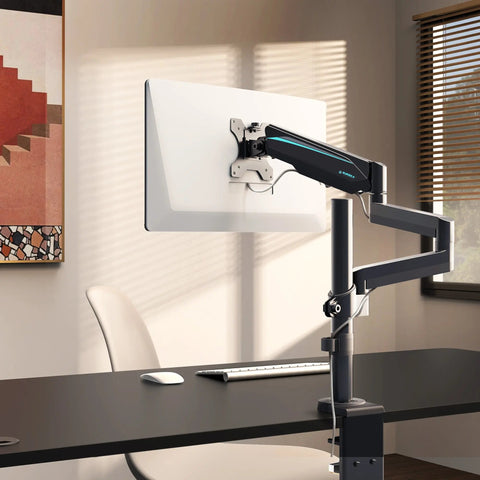
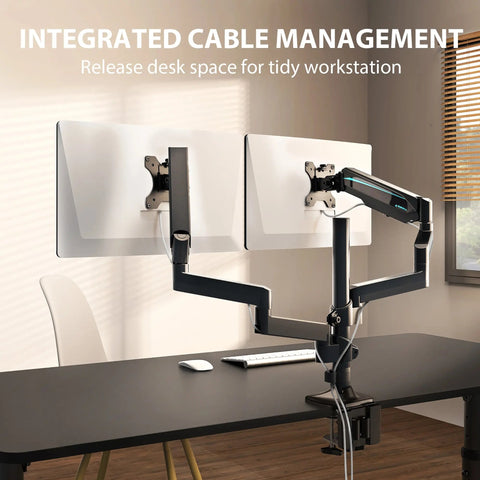
To achieve a true "Ecosystem Sync," your controller should ideally support open protocols or widely adopted systems like Razer Chroma. This allows you to sync your desk with your peripherals and even your Dual Monitor Arm.
As noted in the Eureka Ergonomic Brand Whitepaper: The 2026 Workstation Blueprint, the future of workstations lies in the "seamless integration of digital feedback and physical comfort." While this is a brand-specific vision, it reflects a broader industry trend toward "smart" furniture that actively monitors user health.
4. Pros & Cons: The Honest Verdict
Pros
- Hardware-Level Processing: ARM-based chips mean lights stay in sync without taxing your PC's gaming performance.
- Durability: Integrated controllers are typically built to the same UV-resistance and impact standards as the desk frame.
- Stability: Precise motor synchronization ensures the desk stays level at all heights, passing the "Wobble Test."
Cons
- Proprietary Ecosystems: Some high-end controllers are optimized for brand-specific hardware, which can limit the use of generic, third-party LED strips.
- Setup Curve: Configuring complex audio-reactive profiles may require a learning curve for non-technical users.
- Cable Bulk: Advanced features require more internal wiring, necessitating disciplined cable management.
5. Technical Safety and Standards
Don't ignore the safety certifications. Look for controllers that meet UL 962 standards for height-adjustable desks, which cover electrical safety and mechanical stability.
If your desk features a glass top, like the GTG-I43, ensure the controller is properly grounded. According to the Canadian Centre for Occupational Health and Safety (CCOHS), managing electrical hazards is essential to prevent interference with other sensitive peripherals.

Leveling Up Your Setup
Choosing an RGB desk controller is about more than just aesthetics; it’s about choosing a reliable "brain" for your workspace. From the tactile click of the buttons to the dual-motor synchronization that ensures a stable surface, every spec contributes to your productivity.
Remember to balance your "RGB fever" with ergonomic fundamentals. Use your controller's presets to alternate between sitting and standing, as recommended by ISO 9241-5:2024. Your setup should look like the future, but it needs to support your health today.
YMYL Disclaimer: This article is for informational purposes only and does not constitute professional medical, legal, or safety advice. Ergonomic needs vary by individual; please consult with an ergonomics specialist or healthcare provider if you have pre-existing musculoskeletal conditions. Always follow the manufacturer's safety instructions regarding electrical components and weight limits.
Sources and References
- BIFMA G1-2013: Ergonomics Guideline for Furniture
- ISO 9241-5:2024: Workstation layout & postural requirements
- Cornell University: Ergonomics Workstation Guides
- OSHA: Computer Workstations - Neutral Working Postures
- UL 962: Safety of Height-Adjustable Desks
- CCOHS: Office Ergonomics - Sit/Stand Desk
- Eureka Ergonomic: The 2026 Workstation White Paper (Brand Source)
- OpenRGB: Open Source RGB Control (Non-affiliated community resource)




Leave a comment