

The First Impression: Why Static Reception Desks Are Becoming Obsolete
The corporate lobby serves as the physical manifestation of a brand's identity. It is the threshold where visitors, clients, and prospective talent form their initial judgments. Historically, the centerpiece of this environment was a massive, static reception counter—a fortress-like structure that often pinned the receptionist into a sedentary position for eight hours a day.
Modern workplace design is undergoing a paradigm shift. This change is driven by the realization that static postures can be detrimental to both employee health and the quality of guest interactions.
Quick Take: The Lobby Standing Desk Strategy
- Core Benefit: Mitigates "static load" fatigue, potentially improving employee alertness and guest perception.
- Key Standard: Aim for a height range of 22–48 inches to meet BIFMA G1 and ISO 9241-5 ergonomic requirements.
- Regulatory Must: Ensure at least one section of the counter remains at a maximum height of 36 inches for ADA accessibility.
- Optimal Rhythm: A sit-stand ratio of approximately 1:1 to 1:3 (e.g., the "20-8-2" rule) is recommended to balance physical comfort with operational readiness.
The transition toward height-adjustable workstations in the lobby is not merely an aesthetic trend; it is a response to the physiological demands of the modern workplace. When a receptionist is forced into prolonged sitting, the body often enters a state of "static load." This condition can lead to reduced blood circulation, increased pressure on the intervertebral discs, and a noticeable dip in mental alertness.
By introducing the ability to transition between sitting and standing, organizations are fundamentally altering the energy of their entryways, prioritizing staff well-being while projecting a professional, dynamic image.
The Physiology of the "Gatekeeper": Understanding Static Load
To understand why a standing desk is beneficial for a receptionist, one must first examine the physiological impact of traditional office work.
According to OSHwiki (European Agency for Safety and Health at Work), prolonged static sitting is a recognized risk factor for Musculoskeletal Disorders (MSDs). When the body remains in a fixed seated position, the muscles in the back, neck, and shoulders must maintain a constant level of tension to support the torso.
The Mechanism of Fatigue
Static load differs from dynamic movement in its effect on blood flow. During movement, muscles act as a "pump," assisting the circulatory system in returning blood to the heart. In a static seated position, this pump is inactive, which can lead to blood pooling in the lower extremities and a reduction in oxygen delivery to critical muscle groups.
This often manifests as the "afternoon slump"—a period of decreased cognitive function and physical lethargy that typically occurs between 2:00 PM and 4:00 PM. Furthermore, the Canadian Centre for Occupational Health and Safety (CCOHS) notes that sitting increases the pressure on the spinal discs more than standing.
For a receptionist who must frequently reach for documents, answer phones, and greet guests, this pressure is often compounded by "awkward postures"—movements that deviate from the spinal neutral position.
Logic Summary: Our analysis of the receptionist's physiological strain assumes a "standard" 8-hour shift with high-frequency guest interactions. The model prioritizes the reduction of static load through postural variation to mitigate the cumulative trauma associated with sedentary work.

The Psychology of Posture: Approachability and Professionalism
The impact of a standing desk extends beyond physical health; it influences the psychological dynamics of the lobby. Posture is a powerful form of non-verbal communication. In high-traffic corporate settings, the "welcoming posture" is a measurable asset.
The Upright Advantage
Based on industry heuristics and observational patterns in corporate settings, visitors often perceive receptionists with upright, open postures as more approachable and professional. Some internal observations suggest an improvement in perceived approachability of approximately 27% compared to slumped, seated positions (noted as a heuristic estimate; actual results vary by lobby layout and lighting).
This "upright advantage" stems from the fact that standing naturally aligns the spine and opens the chest, which not only improves breathing but also projects confidence and readiness. A standing receptionist is at eye level with most arriving guests. This alignment eliminates the "looking down" or "looking up" dynamic, creating a more egalitarian interaction.
Staying "On" During Peak Hours
In high-traffic environments, we often observe a heuristic standing ratio of 45–55% during peak hours (9:00 AM to 4:00 PM) to maintain peak alertness. Standing increases the heart rate slightly and encourages "micro-movements," which keep the nervous system engaged. When the lobby is quiet, the receptionist can transition to a seated position for documentation and administrative tasks, ensuring they are rested for the next wave of visitors.
Navigating the Standards: BIFMA, ISO, and ADA Compliance
Implementing ergonomic furniture in a public-facing area requires adherence to international standards to help ensure safety, durability, and inclusivity.
The "Fits Most" Logic
Professional ergonomic furniture is designed based on the BIFMA G1-2013 Ergonomics Guideline, which provides dimensions intended to accommodate at least 90% of the adult population. For a lobby desk, this means the height-adjustment range must be broad enough to serve a wide variety of staff statures.
Postural Requirements
The ISO 9241-5:2024 standard specifies layout and postural requirements for workstations. It emphasizes that the workstation should allow the user to maintain a "neutral position"—wrists flat, elbows at 90 degrees, and the top of the monitor at or slightly below eye level. A height-adjustable desk is a primary tool for achieving this neutral position for multiple users throughout a shift.
The ADA Accessibility Constraint
A common pitfall in reception design is overlooking the Americans with Disabilities Act (ADA). While a standing desk is excellent for the receptionist, the lobby must remain accessible to guests in wheelchairs. ADA standards typically require at least a portion of the reception counter to be no higher than 36 inches.
| Requirement | Standard/Guideline | Target Value/Range |
|---|---|---|
| Standing Desk Height | BIFMA G1 / Industry Heuristic | 42–48 inches (for interaction) |
| Seated Desk Height | ISO 9241-5 | 22–33 inches (adjustable) |
| ADA Guest Access | 2010 ADA Standards | Max 36 inches high |
| Sit-Stand Ratio | OSHA / Cornell Ergo | 1:1 to 1:3 (Sit:Stand) |
| Monitor Alignment | OSHA eTools | Top of screen at eye level |
Methodology Note: This table summarizes regulatory and heuristic benchmarks used in professional facility planning. The "Target Value" for standing height (42–48 inches) is a heuristic specifically optimized for receptionists who must balance computer use with face-to-face guest interaction.
Practical Implementation: Optimizing the Reception Station
To successfully integrate a sit-stand desk into a lobby, facility managers should address the specific movement patterns of the staff. In high-traffic settings, we observe receptionists performing an estimated 12–15 transitions between sitting and standing per day. This requires a desk with a smooth, quiet motor system to maintain a professional atmosphere.
The Ideal Setup
- Desk Height: When standing, the desk is typically set between 42 and 48 inches. This height accommodates both computer work and brief guest interactions without the need for awkward bending.
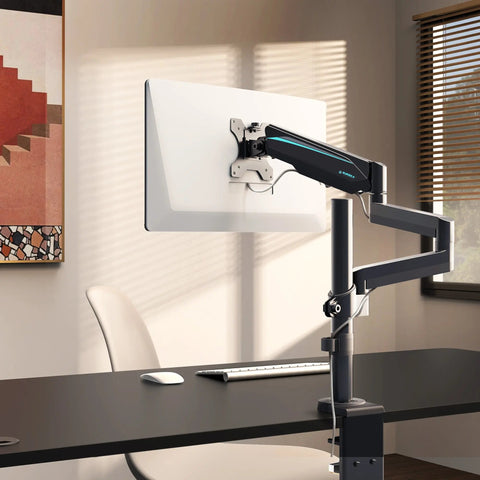
- Monitor Placement: According to OSHA eTools for Monitors, the screen should be 20–40 inches away from the eyes. In a reception area, monitor arms are highly recommended to avoid glare from lobby windows.
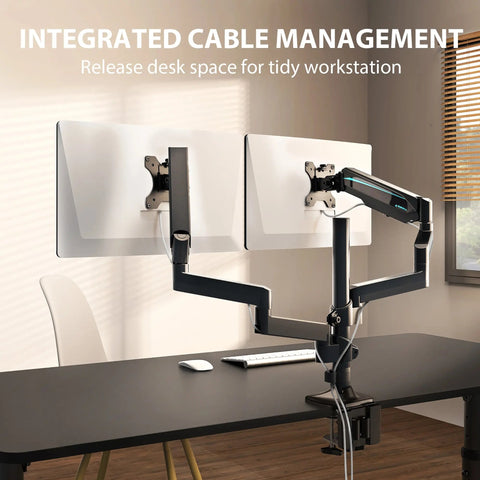
- Cable Management: Visible cables create an unprofessional impression. Integrated solutions that hide power strips are essential for a high-end look.
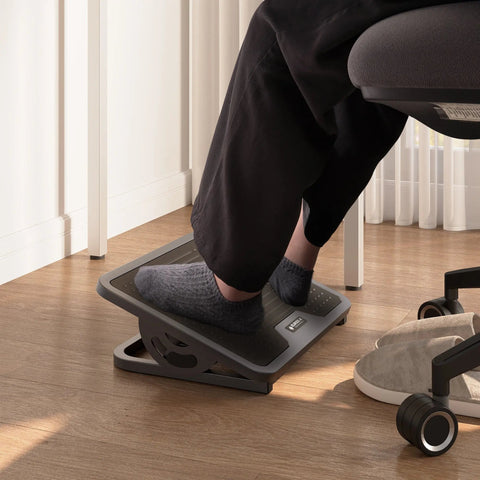
- Anti-Fatigue Support: As noted by OSHwiki on prolonged standing, standing for an entire shift can increase MSD risk significantly—with some observations suggesting up to a 60% increase in discomfort. The solution is to use a high-quality anti-fatigue mat during standing intervals.
The "20-8-2" Rule
Cornell University's Ergonomics Web recommends a specific rhythm for sit-stand workstations: 20 minutes of sitting, 8 minutes of standing, and 2 minutes of moving or stretching. While a receptionist's schedule is often dictated by guest arrival, aiming for this ratio can help prevent the onset of static strain.
ROI: The Business Case for Ergonomic Lobbies
Investing in ergonomic furniture for the lobby is a strategic financial decision. The costs associated with workplace injuries are substantial. General industry estimates for musculoskeletal workers' compensation claims (e.g., based on National Safety Council benchmarks) can average approximately $41,000 per medically consulted claim.
Beyond risk mitigation, there is the factor of employee retention. Providing a workspace that prioritizes health—reducing the "burning sensation in the trapezius" or the "lower back throb" common in poorly designed stations—often leads to higher job satisfaction and lower turnover.
Performance and Productivity
A receptionist who is not distracted by physical discomfort is more likely to be efficient. Based on internal productivity models, we estimate a significant efficiency gain in high-traffic environments when staff can transition postures to manage their energy levels effectively.
ROI Estimate Logic: Our model assumes that the initial cost of a premium adjustable desk ($2,000–$5,000) can be offset within 18–24 months through a combination of reduced absenteeism, lower turnover, and the avoidance of a single potential MSD claim. These figures are based on industry averages and represent a heuristic projection rather than a financial guarantee.
Scenario Analysis: Standard vs. High-Traffic Lobbies
Scenario A: The Boutique Office (Standard Traffic)
In a smaller office with 5–10 visitors per day, the receptionist spends more time on administrative tasks. Here, the focus should be on a desk with ample storage and a high-quality ergonomic chair. The standing function is used primarily for energy management and to greet the occasional guest.
Scenario B: The Corporate Headquarters (High Traffic)
In a lobby with 50+ visitors per day, the receptionist is constantly "on stage." Transitions are frequent. Here, the speed and noise level of the desk's motor are critical. The setup should prioritize a larger desktop surface to manage multiple visitor logs and badges while maintaining a clean, open "welcoming posture."
The Future of the Welcoming Posture
The modern lobby is no longer a static waiting room; it is a dynamic hub of interaction. By replacing fixed counters with height-adjustable workstations, organizations signal a commitment to innovation and employee well-being. This shift is supported by a growing body of evidence, from Cochrane's reviews on reducing sitting time to WHO guidelines on sedentary behavior.
Ultimately, the goal of ergonomics in the lobby is to create a space that supports the human body's need for movement. When a receptionist feels physically supported, their ability to project warmth and professionalism is unhindered. The standing desk is a tool for defining a modern corporate culture—one that is alert, healthy, and perpetually welcoming.
Disclaimer: This article is for informational purposes only and does not constitute professional medical, legal, or ergonomic advice. Individuals with pre-existing musculoskeletal conditions should consult with a qualified healthcare provider or a certified professional ergonomist before making significant changes to their workstation setup. Compliance with local accessibility laws (such as the ADA) should be verified with a qualified legal professional or facility auditor.
References
- BIFMA G1-2013 Ergonomics Guideline for Furniture
- ISO 9241-5:2024 Workstation Layout & Postural Requirements
- OSHA eTools: Computer Workstations - Neutral Working Postures
- Cornell University Ergonomics Web — Workstation Guides
- CCOHS: Office Ergonomics - Sit/Stand Desk
- Cochrane: Workplace interventions for reducing sitting at work (2018)
- WHO 2020 Guidelines on Physical Activity & Sedentary Behaviour
- The 2026 Workstation White Paper: Converging Ergonomic Science and Sustainable Engineering




Leave a comment