

Designing a Winter Reading Nook: Combining Lumbar Support and Style
As the temperature drops and daylight hours wane, the appeal of a dedicated indoor sanctuary becomes undeniable. For many interior design enthusiasts and remote workers, the "winter reading nook" represents the pinnacle of seasonal comfort. However, a common health concern often emerges: why does lower back pain or neck stiffness intensify after just thirty minutes of relaxation?
The widespread misconception is that the "softest" chair is the most comfortable. In reality, over-cushioned furniture often lacks the structural integrity required to maintain the spine's natural alignment. This article explores the intersection of musculoskeletal health and interior design, providing a blueprint for a reading nook that supports both the lumbar region and a sophisticated aesthetic.
The Physiology of Static Load and Relaxation
Understanding the physiological principles behind sitting is essential for preventing Musculoskeletal Disorders (MSDs). When an individual sits in a traditional lounge chair that is too deep or too soft, the pelvis often tilts posteriorly. This movement flattens the natural inward curve of the lower back—the lumbar lordosis—and increases the pressure on the intervertebral discs.
According to the ISO 11226:2000 standard on the evaluation of static working postures, maintaining a static position for prolonged periods can lead to localized muscle fatigue and reduced blood circulation. In a poorly designed reading nook, this is exacerbated by "static load," where muscles remain under constant tension to compensate for a lack of external support.
Furthermore, the World Health Organization (WHO) 2020 Guidelines on Physical Activity and Sedentary Behaviour emphasize that reducing sedentary time and interrupting static behavior are critical for long-term health. While a reading nook is intended for rest, the furniture must facilitate "dynamic sitting"—the ability to shift positions without losing support.
The Science of Lumbar Support: The Two-Fist Rule
A primary heuristic for selecting ergonomic lounge furniture is the "two-fist rule." A high-performance lounge chair should feature a backrest that supports the natural inward curve of the lower spine. The depth of this support should be roughly equivalent to two fists stacked vertically. This ensures that the lumbar spine is not suspended in mid-air or forced into a rounded position.
Beyond lumbar support, seat depth is a critical but frequently overlooked factor. Research into anthropometric data suggests that a "one-size-fits-all" approach to furniture design fails approximately 10% to 20% of the population.
Logic Summary: The 80% Seat Depth Heuristic
- Mechanism: To provide adequate thigh support without restricting blood flow, the seat depth should be approximately 80% of the user's buttock-popliteal length (the distance from the back of the buttocks to the back of the knee).
- Standard Range: For the 5th to 95th percentile of the population, this typically ranges between 15 and 18 inches.
- Risk Factor: If a seat is too deep, the user cannot reach the backrest without slouching; if it is too shallow, the thighs lack support, increasing the load on the sit-bones (ischial tuberosities).
- Verification: Users should be able to fit two to three fingers between the edge of the seat and the back of their knees while their back is fully against the chair.
Integrating Ergonomic Furniture into Seasonal Decor
Creating a visually stunning nook does not require sacrificing spinal health. Modern design has evolved to bridge the gap between Scandinavian ergonomics and contemporary aesthetics.
For those seeking a focal point that prioritizes both form and function, the Lounge Chair-Red Yellow & Blue Yellow Stripe offers a solution. Its sculptural silhouette is not merely for show; it features adaptive lumbar zones and weight-distributing seat contours. These elements are calibrated to support a wide range of body types, from petite to plus-sized, during extended periods of use. The use of pilling-resistant eco-fabric ensures that the chair maintains its "gallery-ready" appeal through years of winter use.

Alternatively, the Alexia, Comfy Soft Swivel Lounge Chair, Gray utilizes high-density foam cushions that retain their "plush bounce" while providing the necessary resistance for spinal support. Its 360° swivel base, aligned with the principles found in the BIFMA G1-2013 Ergonomics Guideline for Furniture, allows for effortless movement, reducing the need for awkward torso twisting when reaching for a book or beverage.

Environmental Optimization for Spinal Health
The physical furniture is only one component of a healthy reading nook. The surrounding environment dictates the postures a reader will adopt.
1. Lighting Placement and Neck Strain
In winter, ambient lighting is critical. A common mistake is placing a light source directly in front of or above the reader, which can cause glare on pages or digital screens. To compensate, readers often tilt their heads or hunch forward, leading to "text neck" or cervical strain.
Expert Recommendation: Position a dedicated light source behind the reader’s shoulder. This illuminates the reading material directly without creating glare, allowing the neck to remain in a neutral position. This setup is consistent with the HSE guidelines on working safely with display screen equipment (DSE), which emphasize glare reduction to prevent compensatory postures.
2. The Non-Negotiable Side Table
Experience shows that the absence of a nearby surface is a primary cause of slouching. If a reader must lean forward or reach across the room to retrieve a drink, book, or glasses, they disrupt their spinal alignment.
The 3-Tier Cat Tower & Side Table serves a dual purpose in a modern home. Its top surface provides a stable, arm's-reach platform for essentials, while the lower levels accommodate pets, fostering a harmonious environment. By keeping items within the "neutral reach zone," users avoid the repetitive micro-strains associated with overreaching.

3. Fabric Choice and Thermal Comfort
Winter ergonomics also involve thermal regulation. Cold muscles are less flexible and more prone to strain. Performance fabrics like tightly woven chenilles or velvets are often superior to linen or cotton blends in high-use winter areas. The Grayson, Manual Recliner Chair Rocking Swivel with Storage utilizes cloud-soft chenille, which provides heat retention without sacrificing breathability. The manual recline feature also allows for smooth transitions between an upright reading posture and a more relaxed, restorative position.

Practical Recommendations for the Ideal Reading Rhythm
To maximize the benefits of an ergonomic nook, one should adopt a structured approach to relaxation. The Cornell University Ergonomics Web suggests a "20-8-2" rhythm for workstations, which can be adapted for leisure:
| Activity | Duration | Purpose |
|---|---|---|
| Supported Sitting | 20 Minutes | Focused reading in a neutral posture. |
| Standing/Stretching | 8 Minutes | Relieve static load and improve circulation. |
| Micro-movement | 2 Minutes | Gentle stretching or walking within the room. |
How to Set Your Reading Height:
- Book/Tablet Position: Hold your reading material so that your head is tilted at an angle of no more than 15 degrees. Use a lap desk or the armrests of a chair like the Grayson Manual Recliner to support your elbows, which reduces the load on the trapezius muscles.
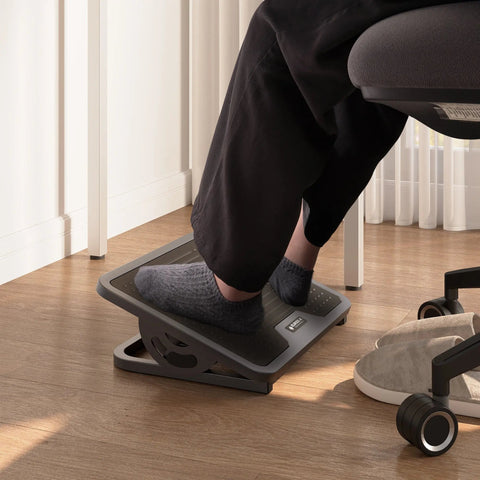
- Foot Placement: Ensure your feet are flat on the floor or supported by a footrest. Dangling feet can lead to pressure on the underside of the thighs, potentially restricting circulation (a concern addressed in the ISO 9241-5:2024 standards).
Modeling the "Perfect Fit"
When designing a nook, it is helpful to model the space based on common industry heuristics rather than guesswork.
Methodology Note: Space Modeling Assumptions
- Model Type: Deterministic Parameterized Model for a Single-User Nook.
- Scope: Residential reading corner for a 5th-95th percentile adult.
- Boundary Conditions: Assumes a flat flooring surface and standard residential ceiling heights (8-9 ft).
| Parameter | Value/Range | Unit | Rationale |
|---|---|---|---|
| Seat Height | 16 – 21 | inches | BIFMA G1-2013 popliteal height range. |
| Lumbar Support Height | 6 – 10 | inches | Standard height of the lumbar curve above the seat. |
| Side Table Height | 20 – 25 | inches | Aligns with average resting elbow height in lounge seating. |
| Lighting Intensity | 300 – 500 | lux | Recommended for detailed visual tasks (reading). |
| Clearance Zone | 30 | inches | Minimum space required for safe entry/exit from a swivel chair. |
Selecting Sustainable and Safe Materials
For the health-conscious consumer, ergonomics extends to air quality and material safety. When selecting furniture, prioritize certifications that verify low chemical emissions. Standards such as UL GREENGUARD Certification ensure that the adhesives and foams used in your lounge chair do not compromise indoor air quality during the winter months when ventilation is often limited.
Furthermore, for products containing wood elements, seeking FSC Certification ensures that the materials are sourced from responsibly managed forests, aligning your aesthetic choices with environmental stewardship.
Final Thoughts on Design and Wellness
Designing a winter reading nook is an exercise in balancing the sensory appeal of the season with the rigorous requirements of musculoskeletal health. By prioritizing lumbar support, verifying seat depth, and optimizing environmental factors like lighting and reach zones, you can create a space that truly restores the body.
As noted in The 2026 Workstation White Paper: Converging Ergonomic Science and Sustainable Engineering, the future of furniture lies in the integration of science-backed comfort with high-quality materials. Whether you choose a bold, sculptural piece or a classic, swivel recliner, the goal remains the same: a sanctuary that supports your spine as effectively as it supports your lifestyle.
YMYL Disclaimer: This article is for informational purposes only and does not constitute professional medical advice, diagnosis, or treatment. Always seek the advice of your physician or other qualified health provider with any questions you may have regarding a medical condition or musculoskeletal pain.
References
- BIFMA G1-2013 Ergonomics Guideline for Furniture
- ISO 9241-5:2024 Workstation layout & postural requirements
- WHO 2020 Guidelines on Physical Activity & Sedentary Behaviour
- Cornell University Ergonomics Web — Workstation Guides
- ISO 11226:2000 Evaluation of static working postures
- HSE: Working safely with display screen equipment (DSE)
- UL GREENGUARD Certification
- FSC Certification




Leave a comment