Skip to product grid

10 products

Find Your Perfect Ergonomic Office Chair for Ultimate Comfort and Support

An ergonomically designed office chair should do more than look right at your desk. It should help create a flexible, supportive setup for focused work, gaming, and creative tasks. Our ergonomic office chair collection brings together adjustable seating options for home offices and professional workspaces, with designs that support a more personalized fit through long days.

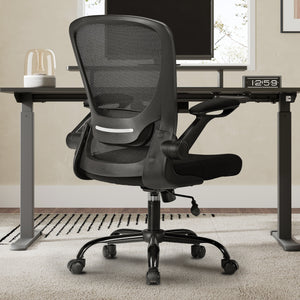
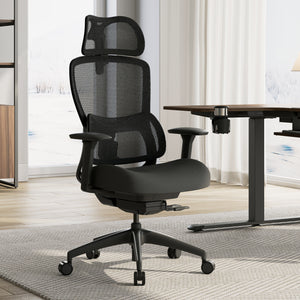
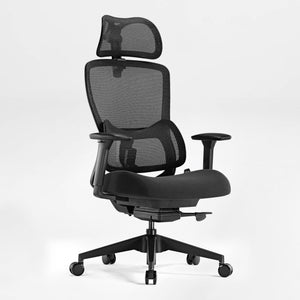
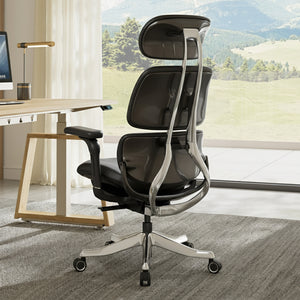
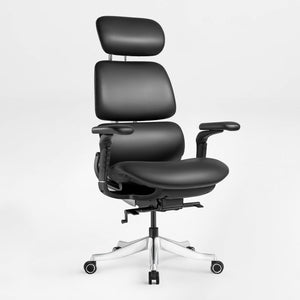
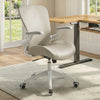
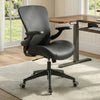
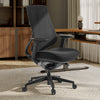
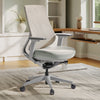
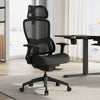
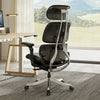
Choose breathable mesh seating, adjustable lumbar support, and adaptable armrests based on how you work. The Lark offers 3D adaptive lumbar support, a multi-position headrest, and 3D armrests; the Nivo pairs a dual-back frame with adaptive spring support and 3D armrests. For users seeking a dynamic ergonomic chair, the LiberNovo Omni features a responsive backrest, adjustable armrests, and reclining options for work, gaming, or relaxation. The Hoss provides a wider, thicker seat and a 500 lb weight capacity for big and tall users, while Forma brings an executive look to the collection.

The right ergonomic posture chair is personal. Compare each chair’s recommended height range, seat dimensions, weight capacity, lumbar support, armrest adjustment, and materials to find the fit that works with your desk and daily routine. Explore the collection to find a flexible office chair designed for the way you work.
FAQ


What makes an office chair "ergonomic"?

An ergonomic office chair is designed around adjustability and supportive seating rather than one fixed sitting position. When comparing chairs in this collection, look for features such as:

● Adjustable seat height and armrests that can be matched to your desk and typing position.

● Lumbar and back support that can be tailored to your body. For example, Lark features 3D adaptive adjustable lumbar support, while Nivo uses a dual-back frame with adaptive spring support.

● Breathable materials for long work sessions. Lark, Nivo, and Hoss feature mesh components designed to promote airflow.

● Recline and headrest options that support changes in posture throughout the day. Nivo has a three-position tilt lock, while LiberNovo Omni offers reclining positions from 105° to 160°.

How do I choose the right ergonomic office chair for my needs?

Start with fit. Check each product page for recommended height range, seat dimensions, and weight capacity before choosing a chair.

● Your body type: Select a chair with dimensions and capacity that suit you. Hoss is designed for big and tall users and supports up to 500 lbs, while LiberNovo Omni supports up to 300 lbs.

● Your work habits: For adjustable lumbar and headrest support, consider Lark. For responsive dual-back support, consider Nivo. For dynamic support and deeper recline options, explore LiberNovo Omni.

● Your desk height: Compare the chair’s seat-height and armrest-adjustment ranges with your desk so you can create a more comfortable typing position.

● Your workspace style: Mesh, executive, and dynamic ergonomic designs are available across the collection, so you can choose a chair that fits both your routine and your space.

What are the benefits of using an ergonomic office chair?

An ergonomic office chair can make a workspace more adaptable to your body and daily routine. Depending on the model, benefits may include:

● More adjustable support for your back, arms, neck, and seating position.

● Breathable mesh or cushioned seating options for long periods at a desk.

● Recline, headrest, lumbar-support, and armrest settings that let you adjust your position as tasks change.

● A better foundation for a comfortable, focused home office or professional workspace.

How do I adjust my ergonomic office chair for optimal comfort?

Use each chair’s product instructions and adjustment range as your guide. In general:

● Set the seat height so your feet rest comfortably on the floor and your thighs are approximately parallel to it.

● Leave a small gap between the front edge of the seat and the back of your knees.

● Position lumbar support to meet the natural curve of your lower back, if your chair includes adjustable lumbar support.

● Adjust armrests so your shoulders can stay relaxed while your forearms are supported near desk height.

● Use recline and headrest settings as needed to change position during longer work sessions.