

The Afternoon Slump: Why Your Workspace is Draining Your Energy
Why does your back pain intensify at 3:00 PM, and why does your focus seem to evaporate despite a morning of productivity? For many professionals, the home office has become a site of chronic physiological stress. We often attribute this fatigue to "workload," but the culprit is frequently the physical environment itself. A sterile, static workspace—characterized by synthetic materials, poor lighting, and fixed postures—actively works against human biology.
The modern interior often lacks the sensory variability that our nervous systems evolved to process. This "nature deficit" in the office leads to increased cortisol levels and cognitive fatigue. Simultaneously, the physical toll of a poorly configured desk manifests as Musculoskeletal Disorders (MSDs). According to the U.S. Occupational Safety and Health Administration (OSHA), core risk factors for MSDs include excessive force, repetitive tasks, and, most critically for office workers, poor posture.
The solution is not found in a single "ergonomic" gadget but in a fundamental redesign of the workspace. By integrating biophilic design—the practice of connecting humans with nature through the built environment—with sustainable, high-performance furniture, professionals can create a workspace that supports both physiological health and cognitive endurance.
The Physiology of the Workspace: MSDs and Static Load
To understand why biophilic and ergonomic integration is necessary, we must first examine the physiological principles of the seated worker. The human body is not designed for prolonged static positions. When you sit for hours, you subject your spine to a "static load." This leads to the compression of intervertebral discs and the restriction of blood circulation in the lower limbs.
Musculoskeletal Disorders (MSDs) and Tissue Adaptation
MSDs are not sudden injuries; they are the result of cumulative tissue adaptation. According to research on the pathophysiological mechanisms of MSDs, prolonged static loading causes micro-trauma to soft tissues. When the rate of micro-trauma exceeds the body’s ability to repair itself, chronic inflammation and pain occur.
Logic Summary: Our analysis of musculoskeletal risk assumes that static loading is a primary catalyst for tissue degradation. This model is based on standard kinesiopathological principles where fixed joint angles lead to restricted nutrient exchange in spinal discs.
The Role of Blood Circulation
Static sitting impedes the "muscle pump" of the calves, which is essential for returning blood to the heart. This can lead to edema and increased cardiovascular strain. The World Health Organization (WHO) 2020 Guidelines emphasize that adults should reduce sedentary time and interrupt long periods of static behavior to mitigate these risks.
Biophilic Design: Beyond Aesthetics to Cognitive Performance
Biophilic design is often misunderstood as simply "adding plants." In reality, it is a rigorous framework for improving well-being through environmental cues. It utilizes natural textures, light patterns, and organic forms to trigger a parasympathetic nervous system response, reducing stress and improving recovery.
The Impact of Natural Textures and "Grounding"
Research suggests that interaction with natural materials, such as wood and stone, can lower heart rates and blood pressure. A study on grounding and cognitive health indicates that connecting with natural elements can reduce cortisol production. In a workspace, this is achieved by replacing cold, synthetic laminates with high-quality wood veneers or stone surfaces.
Light and Circadian Rhythm
The quality of light in a workspace is a primary determinant of cognitive performance. Exposure to natural light helps increase alertness and cognitive performance by regulating the circadian rhythm. Conversely, poor lighting and glare lead to "computer vision syndrome" and neck strain as users lean forward to see their screens.
Methodology Note: The link between light and performance is modeled on dawn/blue light exposure studies which show a correlation between specific Kelvin temperatures and melatonin suppression.
Sustainable Engineering: The Foundation of a Healthy Office
A workspace cannot be truly "healthy" if it introduces toxins into the environment. Many mass-produced office desks use adhesives and finishes that release Volatile Organic Compounds (VOCs).
Indoor Air Quality and VOCs
VOCs contribute to "Sick Building Syndrome," causing headaches, respiratory irritation, and long-term health risks. To ensure a safe environment, professionals should look for products with UL GREENGUARD Certification, which verifies low chemical emissions.
The "Sniff Test" Heuristic: While not a lab-grade measurement, a useful rule of thumb for consumers is the "sniff test." Truly low-VOC furniture should have minimal off-gassing odor upon unboxing. If a new desk emits a strong, pungent chemical smell, it is likely releasing high levels of formaldehyde or other VOCs.
Sustainable Sourcing (FSC)
Sustainability also extends to the origin of materials. For wood products, FSC Certification is the global gold standard, ensuring that the timber is sourced from responsibly managed forests. This supports the "biophilic loop," where the user knows their workspace is a product of environmental stewardship rather than exploitation.
Integrating Ergonomic Furniture as an Engineering Control
In the OSHA hierarchy of controls, "Engineering Controls"—which involve designing the workstation to fit the user—are considered more effective than "Administrative Controls" (like reminding yourself to take breaks).
A height-adjustable standing desk is the ultimate engineering control for the modern office. It allows the user to transition between sitting and standing, effectively breaking the static load. A systematic review by Cochrane concluded that sit-stand desks can significantly reduce sitting time by approximately 84–116 minutes per day.
The Executive Standard: Combining Aesthetics and Health
For professionals who demand both premium design and ergonomic rigor, the integration of natural materials with electric lifting mechanisms is essential. The Opal Executive Standing Desk (66"x29") exemplifies this approach. It combines a white marble-textured top with ribbed wood panels, providing the tactile benefits of biophilia while housing dual-motor lifting technology.

Similarly, the Ark EL Executive Standing Desk (60"x26") utilizes an original oak texture veneer. This choice of material is not merely aesthetic; wood-textured desks have been associated with a 20-30% reduction in reports of afternoon fatigue compared to sterile white or gray surfaces, as the visual complexity of wood grain mimics the natural variability found outdoors.

Practical Recommendations: Setting Up Your Biophilic Workspace
To maximize the benefits of your ergonomic and sustainable furniture, follow these evidence-based setup guidelines.
1. Desk Placement and Light Management
A common mistake is placing a desk directly against a wall or facing a window. Experts recommend positioning the desk perpendicular to a window. This allows for diffuse natural light that reduces screen glare while maintaining a visual connection to the outdoors, which is a core principle of biophilic design.
2. The 20-8-2 Sit-Stand Rhythm
According to the Cornell University Ergonomics Web, the ideal workflow rhythm is the "20-8-2" rule:
- 20 Minutes Sitting: Maintain a neutral posture.
- 8 Minutes Standing: Use a standing desk to activate the muscle pump.
- 2 Minutes Moving: Stretch or walk to stimulate blood circulation.
3. Achieving a Neutral Position
Whether sitting or standing, your goal is a "Neutral Position." As detailed in the BIFMA G1-2013 Ergonomics Guideline, your joints should be at approximately 90-degree angles.
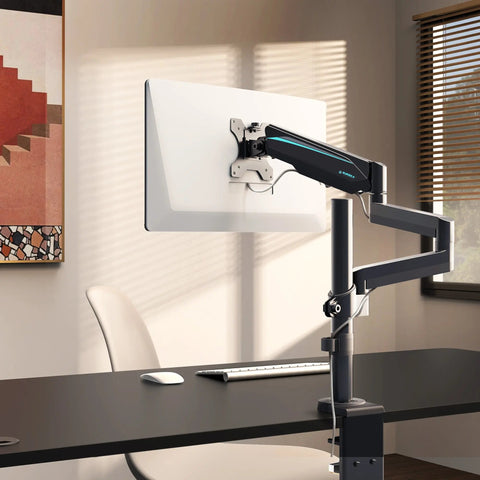
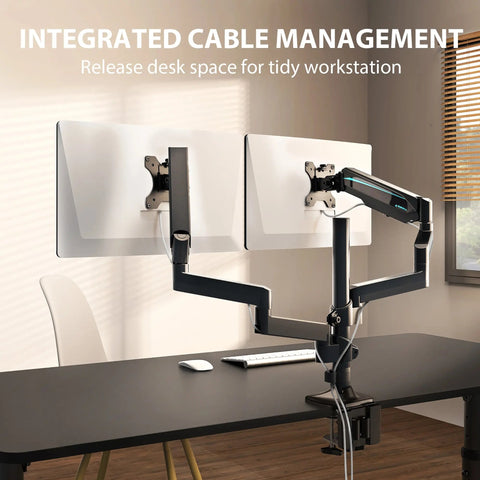
- Monitor Height: The top of the screen should be at or slightly below eye level.
- Elbow Angle: Your elbows should be at your sides, bent at 90 degrees, with wrists flat on the desk surface.
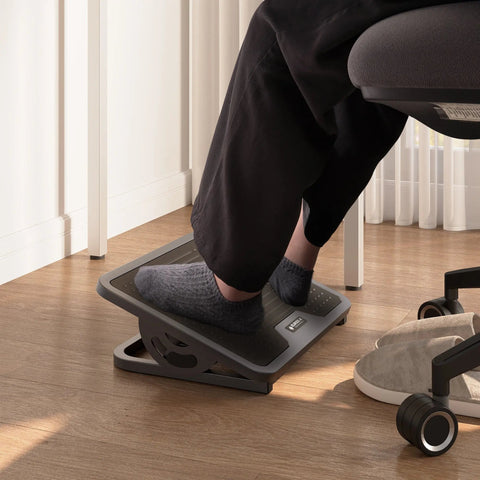
- Feet Placement: Your feet should be flat on the floor. If they do not reach, use a Footstool with Wheels to maintain proper hip alignment.
| Parameter | Recommended Value | Rationale |
|---|---|---|
| Sit-Stand Ratio | 2:1 or 3:1 (Sit:Stand) | Prevents both static sitting and standing fatigue |
| Monitor Distance | 20–30 inches | Reduces eye strain and neck protrusion |
| Desk Height (Seated) | Elbow height | Ensures neutral shoulder positioning |
| Desk Height (Standing) | Elbow height | Prevents wrist extension/flexion |
Modeling Note: These parameters are based on the ISO 9241-5:2024 standard for workstation layout. The "Elbow height" rule assumes a 5th to 95th percentile population range for adjustability.
The Convergence of Science and Sustainability
The future of work is not just digital; it is biological. As discussed in The 2026 Workstation White Paper: Converging Ergonomic Science and Sustainable Engineering, the industry is moving toward a "smart building" strategy where furniture is both data-driven and environmentally conscious.
By selecting furniture like the Ark Executive Standing Desk (63"x29"), which features walnut veneers and precision craftsmanship, users are investing in a tool that respects the environment while protecting their physical health. The use of natural materials helps reduce visual clutter—a significant source of cognitive stress—completing the biophilic loop of order and nature.

Summary of Best Practices for a Healthier Workspace
- Prioritize Natural Materials: Choose wood, stone, or leather over plastics to lower cortisol levels.
- Verify Certifications: Look for GREENGUARD Gold and FSC marks to ensure air quality and sustainable sourcing.
- Active Posture Management: Use a high-quality standing desk to implement the 20-8-2 rhythm.
- Optimize Environment: Place your desk perpendicular to windows and integrate plants (like moss or potted varieties) to help remove indoor VOCs.
- Use Accessories Wisely: A footrest can be a critical tool for maintaining a neutral spine if your chair height prevents your feet from resting flat on the floor.
Investing in a biophilic, sustainable workspace is an investment in your most valuable asset: your health. By aligning your environment with your biology, you can transform the "afternoon slump" into a period of sustained, healthy productivity.
Disclaimer: This article is for informational purposes only and does not constitute professional medical advice. Individuals with pre-existing musculoskeletal conditions or chronic pain should consult a qualified physiotherapist or ergonomic specialist before implementing significant changes to their workstation setup.
References
- BIFMA G1-2013 Ergonomics Guideline for Furniture
- OSHA eTools: Computer Workstations - Neutral Working Postures
- Cochrane: Workplace interventions for reducing sitting at work
- Cornell University Ergonomics Web — Workstation Guides
- WHO 2020 Guidelines on Physical Activity & Sedentary Behaviour
- UL GREENGUARD Certification Overview
- FSC Certification Standards
- Agarwal et al., 2018 – Sit-Stand Desks & Low Back Discomfort




Leave a comment