

Compact standing desk solutions can work well in apartments when you prioritize footprint, stability, storage, and easy movement between work and living modes. If you are looking for a standing desk for apartment use, the best setup is usually the one that fits your room layout, your daily routine, and your lease-friendly constraints, not the one with the most features.

Apartment living tends to reward furniture that does more than one job. A standing desk for a small home office may need to tuck beside a sofa, share space with a dining area, or disappear visually after work hours. For that reason, compact desk planning is less about a single desk style and more about matching the right dimensions, adjustability, and cable management to the room you actually have. If you want a broader setup mindset, see our guide to space-saving apartment desk layouts for ideas that work across different apartment sizes.
Why Apartment Living Changes the Desk Search
A standing desk for apartment use has to solve more than ergonomics. It also has to fit a tighter floor plan, coexist with shared walls, and avoid changes that may conflict with a lease. That mix changes the buying decision fast. In a studio or condo, a desk that looks fine on a product page can still feel too heavy once it is in the room.
The main question is not just whether the desk works, but whether it works without taking over the space. A smaller surface can preserve walking paths, keep the room flexible, and make it easier to switch between work and personal use. For a compact standing desk for small apartment living, the room usually decides the winner before the spec sheet does.
If you want a neutral posture baseline while you compare options, OSHA's computer workstation guidance is a useful reference. It reinforces a simple point: even a compact desk should still let you keep your body in a comfortable working position.
What Makes a Desk Apartment-Friendly
The apartment-friendly filter comes down to four things: footprint, clearance, quiet operation, and reversible setup. That is the cleanest way to compare a standing desk for apartment use because each factor can flip the decision.
Start with space. A compact apartment width heuristic often lands around 40 to 48 inches, but that is only a planning band, not a rule. In many layouts, that range gives you a usable top without dominating a corner or bedroom wall. If your gear is minimal, you may go smaller; if you need dual monitors or frequent paperwork, you may need more depth or a different layout.
Stability is the next non-negotiable check. BIFMA's desk safety and stability standards focus on tipping resistance and structural performance, which matters more once a desk rises to standing height. In real apartment use, a desk that fits the room but feels shaky quickly becomes annoying enough to stop using.
Quiet operation matters more when you share walls or work late. A quiet-operation reference for shared spaces puts about 50 dB in the range of a quiet office or soft conversation. That is a useful comparison point, not a universal cutoff. If motor noise, accessory rattles, or adjustment sounds would bother a roommate or neighbor, keep that in mind as a stop signal.
Rental-friendly setup is a separate question. ApartmentGuide's no-drill rental-safe setup guidance is a good reminder that drilling or permanent wall attachment can create avoidable lease problems. If a desk depends on mounting, wall anchors, or other permanent changes, it is usually a poor fit for renters.
How Compact Desk Shapes Fit Small Apartments
Different desk shapes solve different apartment problems. The right choice depends less on style and more on where the room is tightest.
| Desk Shape | Best Use Case | Why It Fits | Watch For |
|---|---|---|---|
| Straight compact desk | Studio corners, bedrooms, simple layouts | Easy to place and usually the least visually busy | Can feel shallow if you use large monitors or paper stacks |
| L-shaped compact desk | Corner work zones, shared rooms with more gear | Uses corners efficiently and can separate work zones | Often needs more floor area than it first appears |
| Storage-forward compact desk | Multi-use rooms that need hidden storage | Reduces loose items and keeps the desktop cleaner | Can look bulky in open or narrow rooms |
| Folding or mobile setup | Temporary work zones and renters | Easier to move, store, or reconfigure | May trade away rigidity and surface space |
A straight desk is usually the easiest starting point when the room is already crowded. An L-shaped desk can work well if one corner is underused and you need distinct zones for work and storage. Storage-heavy designs help when clutter is the bigger problem than footprint, but they can make a small room feel more packed if the cabinet volume is too large.
How to Set Up a Rental-Friendly Workspace
Use a simple sequence so the desk fits the apartment before it becomes part of your daily routine.
- Measure the zone first. Check desk width, depth, chair pull-out space, and walking clearance. If the desk blocks a door, closet, or major path, it is probably too large even if the numbers seem close.
- Check lease and building rules. If drilling or permanent attachment is restricted, rule those setups out early. That keeps you from building a plan around something you may not be allowed to install.
- Confirm the working position. OSHA's workstation guidance supports neutral posture, which means the monitor, keyboard, and mouse should all sit in positions that do not force constant reaching or neck strain.
- Assemble with reversibility in mind. A rental-friendly standing desk should be easy to move, reset, and remove without leaving damage behind. That is where low-damage assembly and simple cable routing help.
- Test the room, not just the desk. Listen for motor noise, vibration, and floor transfer in the actual apartment. A desk that sounds fine in a showroom can feel louder in a quiet bedroom or condo.
If you want a more detailed renter workflow, the tool-free renter assembly guide is a helpful follow-up for setup planning.

Which Desk Setup Fits Your Apartment
For most shoppers, the decision flips by apartment type.
Studio apartments: choose the smallest footprint that still holds your actual gear. A narrower rectangle usually beats a flashy layout because the room often serves several functions at once. Visual lightness matters here because the desk stays in view all day.
Condos and shared-wall apartments: quiet operation becomes a bigger priority than in detached homes. If adjustment noise, motor sound, or vibration would bother neighbors or a partner working nearby, favor the calmer setup even if it gives up some surface area.
Renters who need no-drill setup: reversibility should lead the decision. Freestanding furniture and removable accessories are usually safer than anything that depends on permanent wall changes. If the setup is not easy to undo, it is usually not a strong rental-friendly standing desk choice.
The broader rule is simple: if your room is tight, start with footprint; if your walls are shared, start with noise; if your lease is strict, start with reversibility. That order prevents most regret.
Apartment Setup Checklist Before You Buy
Use this as your final go/no-go check before you add a standing desk for apartment use to cart:
- Measure the wall, corner, or room edge where the desk will live.
- Leave room for your chair, your legs, and a clear walking path.
- Decide whether your workflow needs laptop-only space or monitor space.
- Make sure the desk will not block closets, outlets, vents, or doors.
- Check whether the setup depends on drilling or permanent wall attachment.
- Think about shared-wall noise if you work early, late, or near neighbors.
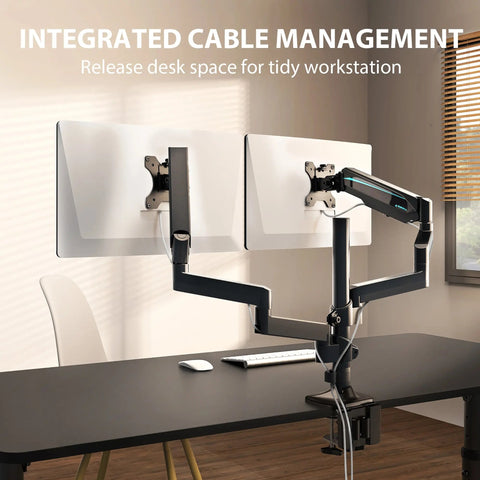
- Plan cable routing before you buy, not after the room starts feeling cluttered.
- Confirm delivery access, stair turns, and hallway width if your building is tight.
If you're still comparing room-friendly layouts, our compact small-office desk ideas article can help you narrow the shape and style before you buy.
FAQs
How Do I Measure for a Standing Desk in a Small Apartment?
Measure the desk area, chair pull-out space, and the path you need to walk around it. Also check for doors, closets, baseboards, vents, and outlet placement so the desk fits the real room instead of just the wall length.
What Makes a Standing Desk Rental-Friendly?
A rental-friendly setup is usually reversible, low-damage, and free of permanent wall attachment. If your lease limits drilling or wall modifications, favor freestanding options and removable accessories that can come out cleanly at move-out.
Can a Quiet Standing Desk Matter in a Condo?
Yes. Shared walls make motor noise, adjustment noise, and vibration more noticeable. A quieter desk can reduce disruption during early mornings, late nights, or video calls, even if the sound seems minor in a larger house.
What Desk Shape Works Best in a Studio Apartment?
A straight compact desk is often the easiest fit because it uses less visual and physical space. An L-shaped desk can work if you have a true corner to spare and need separate work zones, but it usually needs more room than it first appears.
Do I Need Tool-Free Assembly for Apartment Living?
Not always. Tool-free assembly is helpful, but the real priority is a low-damage setup that fits your lease, your space, and your willingness to move the desk later without hassle.
Compact standing desk solutions for apartment living work best when they balance size, stability, and flexibility. Measure carefully, keep the layout simple, and choose a format that supports daily use without overwhelming the room.




Leave a comment