

The way we work is evolving, and so is the office environment. As companies increasingly prioritize employee satisfaction, productivity, and creativity, the office desk plays a critical role in shaping these outcomes. The modern office design for 2026 is a bridge between remote flexibility and in-person collaboration, centered around function, employee wellness, and the integration of advanced technologies, all while maintaining an aesthetic that aligns with the company’s culture.
Modern Office Design in 2026: The Shift Towards Function-Driven Spaces
Office spaces are no longer just places to work, they reflect a company's ethos and commitment to employee wellbeing. The desks that define these spaces are taking a more thoughtful, ergonomic approach. It’s clear that investing in a well-designed workspace boosts productivity and helps retain top talent. As we enter 2026, businesses are shifting from rigid, traditional office setups to more adaptable and tech-centric environments.

Function-First Workspaces
Functionality is the driving force behind modern office design. Companies are creating spaces that not only look aesthetically pleasing but also support diverse work styles and promote health. The need for desks that serve multiple purposes is growing as remote work continues to evolve.
A Focus on Employee Wellness
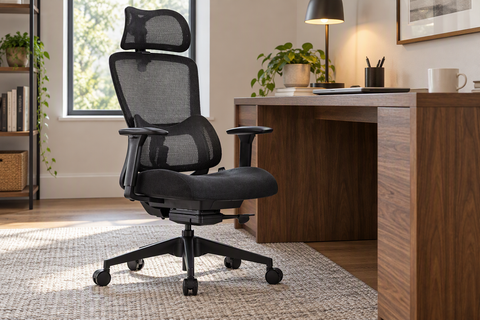
As companies prioritize employee health, ergonomic desks are becoming essential. Adjustable desks, ergonomic chairs, and optimized lighting are now key considerations when outfitting office spaces. These features play a major role in increasing both comfort and productivity.
The Link Between Workspace Design and Employee Retention
In today’s competitive job market, attracting and keeping the best talent requires more than just a paycheck. Workspace design plays a significant role in this equation. Employees are more likely to stay with companies that offer comfortable, aesthetically pleasing, and functional environments.
The Role of Aesthetic in Employee Satisfaction
A minimalist office aesthetic, with clean lines and uncluttered spaces, reduces stress and enhances focus. These office designs cater to the individual needs of workers, allowing them to personalize their space while promoting collaboration and openness. A thoughtful office design speaks volumes about a company’s values, and many businesses are now emphasizing this in their recruitment strategies.
Reducing Stress Through Design
A well-designed workspace contributes to a positive atmosphere that can lower stress levels. Natural light, open spaces, and calming color schemes all play a role in creating an environment conducive to concentration and productivity.

Ergonomic Investment: A Boost to Productivity
One of the most essential shifts in the modern office is the focus on ergonomics. Desks that prioritize comfort and health are becoming the norm in offices worldwide. Ergonomic chairs, adjustable desks, and properly aligned monitors all contribute to reducing physical strain, increasing comfort, and ultimately improving productivity.
Health Benefits of Ergonomic Workspaces
The benefits of ergonomic design go beyond health. Workers who are comfortable are more engaged and can focus for longer periods without feeling fatigue. With long hours spent at a desk, ergonomic features are crucial for preventing repetitive stress injuries and promoting a healthy work-life balance.
Enhancing Focus and Engagement
Ergonomics also helps workers remain focused throughout their tasks. With better-designed workstations, employees can spend extended hours at their desks without feeling discomfort, leading to improved overall engagement and productivity.

Minimalist Office Aesthetic and Corporate Culture
The corporate interior trends in 2026 lean heavily towards minimalist design principles. Simple, clean lines, natural light, and calming color palettes have replaced the cluttered, overly corporate look of the past. The desk, as a central piece of office furniture, is now designed to support this shift.
Why Minimalism Works in the Office
A minimalist office aesthetic communicates a message of clarity and purpose. It removes distractions and creates a peaceful work environment, allowing employees to focus on their tasks. Moreover, a streamlined design fosters collaboration, reduces clutter, and supports the idea that the work environment should reflect the company’s values.
Aligning Aesthetics with Corporate Values
As organizations become more intentional with their designs, their workspaces serve as a direct reflection of the company’s culture, attracting talent that shares similar values.

The Rise of Tech-Centric Workspaces
Tech-centric workspaces are gaining popularity as companies aim to stay ahead of technological advancements. The modern office desk in 2026 is designed to integrate seamlessly with a variety of tech devices, from laptops and tablets to virtual collaboration tools and smart assistants.
Adapting to Technological Advancements
Having a desk that accommodates tech gadgets and encourages efficient workflows is critical. Desks with built-in cable management systems, wireless charging stations, and docking ports are becoming standard. These features not only reduce clutter but also allow employees to easily transition between tasks, whether they’re working on a computer, meeting virtually, or brainstorming ideas with colleagues.
Creating Seamless Workflows
The integration of technology enhances the flow of work, making tasks easier and faster to complete. For instance, smart desks that adjust to the user’s preferred height, or desks that automatically manage cable connections, are gaining traction in modern office setups.

Shift From Status Furniture to Function-First Procurement
Traditionally, office furniture was often chosen based on status rather than functionality. Executive offices were filled with lavish furniture to signal power and prestige, while the desks of regular employees were often more utilitarian. However, as companies in 2026 focus more on collaboration and employee wellbeing, this mindset is shifting.
Now, furniture procurement focuses on function first. Desks are being selected based on their ergonomics, versatility, and tech integration. Companies are placing greater value on furniture that serves the needs of the modern worker rather than status symbols. Employees need to feel supported and empowered, not just in their work but also in their physical workspace.
What to Consider When Outfitting Workstations for 10, 50, or 500 Employees
When outfitting workstations, whether for a small team or an entire company, several factors must be considered. While the specific needs will vary based on team size and company culture, there are key elements to focus on:
Space Utilization and Layout
Optimize the office layout by considering the flow of work. For smaller companies, open-plan offices may be ideal, fostering collaboration. For larger companies, consider a combination of private spaces and open areas to balance focused work with group activities.
Flexibility and Adaptability
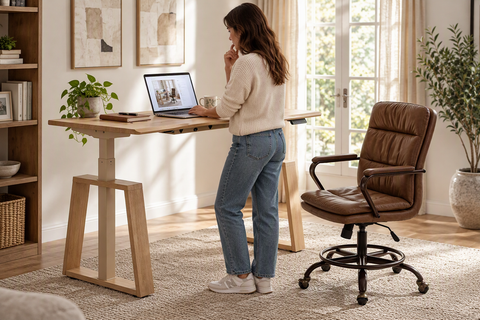
Desks should be adaptable to the changing needs of the employees. Height-adjustable desks, movable partitions, and collaborative workspaces allow for flexibility in work styles.
Technology Integration and Personalization
Ensure that each workstation is equipped with the necessary tech—wireless charging, proper power outlets, and high-quality displays. The desk should be ready for all technological requirements to minimize distractions and enhance productivity. Allow employees to personalize their desks within guidelines that maintain the aesthetic of the space.
Employee Wellbeing and Comfort
Include ergonomic furniture and natural elements such as plants, which have been shown to enhance mood and creativity. Ensure that each workstation encourages comfort and health, which ultimately contributes to higher performance.
The Evolution of the Office Desk: Future Proofing the Workplace
As we look toward the future, companies must future-proof their office environments. The desk, while still a central piece of the office, will continue to evolve. Companies should invest in adjustable, ergonomic solutions that integrate seamlessly with new technology.
As hybrid working becomes more common, offices must adapt to the needs of both remote and in-office workers. Desks should be flexible enough to support both individual work and collaborative team efforts, allowing for seamless transitions between different work modes.

Upgrading Your Office Design for 2026
For businesses looking to stay ahead, it’s crucial to rethink the office desk and invest in a space that supports both individual needs and collaborative efforts. By prioritizing ergonomic furniture, a minimalist aesthetic, and tech-centric solutions, companies can create an environment that fosters productivity, attracts top talent, and builds a strong company culture.
FAQs
Q1: Why is ergonomics important in office design?
Ergonomics improves comfort, reduces strain, and boosts productivity. A well-designed desk supports the body’s natural posture, reducing the risk of injuries like back pain or repetitive strain. Investing in ergonomics ultimately enhances employee well-being and work output.
Q2: What makes a minimalist office aesthetic effective?
A minimalist office design eliminates distractions and promotes clarity. Simple, clean lines and natural light create an environment that helps employees focus. This aesthetic also reflects the company’s values of simplicity and purpose.
Q3: How does workspace design impact employee retention?
A well-designed workspace demonstrates a company’s commitment to employee welfare. When employees feel comfortable and valued in their environment, they are more likely to stay with the company, reducing turnover and attracting top talent.
Q4: What are the benefits of a tech-centric workspace?
Tech-centric workspaces integrate tools and devices that enhance productivity. A desk that accommodates technology—like wireless charging and built-in ports—enables smoother workflows, reducing downtime and increasing efficiency.
Q5: How can companies create a flexible workspace for different team sizes?
Companies should invest in adaptable furniture, such as height-adjustable desks and movable partitions. For smaller teams, open-plan offices may work best, while larger companies benefit from a mix of collaborative and private spaces to suit various working styles.




Leave a comment