
Lift recliners can make everyday sitting and standing easier while still looking like regular furniture. For aging in place, that balance matters: the chair should support the user's routine, fit the room, and stay simple enough to use without extra hassle. The best lift recliner for an older adult is usually the one that solves a real daily problem without making the home feel clinical.
Why a Lift Recliner Fits Aging in Place
A lift recliner is a practical choice when the goal is to add sit-to-stand support without turning a living room or home office into a medical space. In plain terms, it helps the user change positions with less effort, which can ease daily strain for some older adults. That is useful for independent senior living, but it is still a furniture decision first, not a medical promise.
The right chair should feel comfortable enough for regular use, simple enough to operate alone, and styled well enough that the household actually wants it in the room. A power lift chair that looks like regular furniture can be easier to accept than a chair that feels obviously clinical. That matters because a chair that blends in is more likely to stay in use.
If you are early in the search, start with the broader recliner collection and narrow from there. If the fit is unclear, that is the point to slow down, not speed up.
What Makes a Chair Feel Senior-Friendly
For most shoppers, senior-friendly means three things: the chair is easy to get in and out of, easy to control, and easy to live with every day. In that sense, the most useful features are not decorative extras. They are the parts that reduce friction for the person using the chair and the family members helping choose it.
A conservative buying rule is simple: if the controls, seat height, or recline motion feel confusing in the store or on the product page, the chair may not be a good fit for independent use at home.
The category also sits in a safety-conscious space. Power lift recliners designed for mobility assistance are often treated as FDA Class II medical device context, which is a reminder to keep the purchase practical and bounded rather than medicalized. That does not mean every chair is a clinical device in everyday use, but it does mean buyers should take fit and operation seriously.
A useful decision table can keep the comparison grounded:
| Buying Priority | Why It Matters | What To Check |
|---|---|---|
| Sit-to-stand support | Helps the user rise and settle with less effort | The chair feels manageable during transitions |
| Control simplicity | Reduces confusion and second-guessing | Buttons or remote are easy to understand |
| Comfort and support | Encourages regular daily use | Cushioning, seat height, and back support feel stable |
| Room fit | Prevents the chair from overwhelming the space | Dimensions, walking paths, and outlet access work together |
| Care and upkeep | Supports long-term use | Upholstery is practical for routine cleaning |
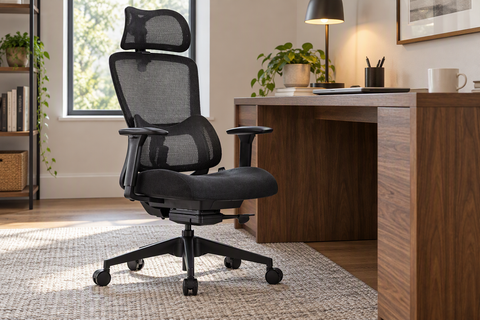
If you want to compare setup and positioning more closely, adjustment basics for a steadier setup can help, even though a lift recliner is not the same as an office chair.
How Residential Style Changes the Buy
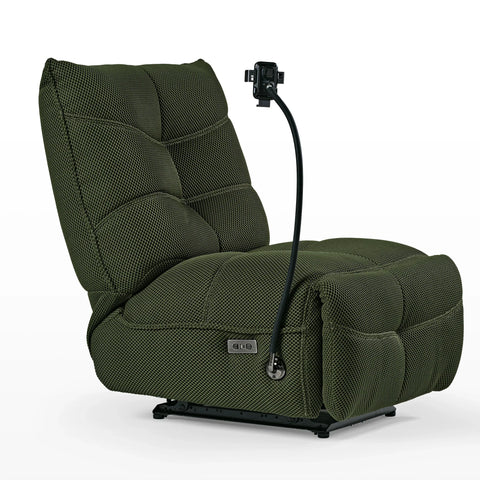
Style is not a bonus feature here. It changes whether the chair feels usable in a real home. For many households, the decision is between a chair that blends into the room and one that constantly reads as a mobility aid. The more a lift recliner looks like normal furniture, the easier it is to place in a living room, den, or home office without making the space feel clinical.
The most noticeable style cues are upholstery, color, silhouette, and how visible the controls are. Softer lines and furniture-first finishes usually feel more residential, while bulky profiles and exposed controls can make the chair stand out. A furniture-first recliner style approach often works best when the seat has to live in a shared room every day.
For shoppers thinking about materials as part of style and upkeep, chair materials is a relevant follow-up because the finish affects both the look and the cleaning routine. The goal is not to chase a showroom look. It is to choose a chair the household will keep using.
Lift Recliner Options Worth Comparing
The most useful comparison is not "which chair has the most features." It is "which chair fits the person's daily routine best." That usually means comparing the chair class, the convenience details, and the room it will live in.
- Power lift recliners are the main fit when the user wants easier sit-to-stand support and straightforward daily operation.
- Manual recliners can work when lift assistance is not needed, but they are not the same solution for independent senior living.
- Storage, USB charging, and swivel or rocking features can be helpful, but only if they do not complicate the chair or crowd the room.
- Heavier-duty seating paths make sense when build strength or broader support needs matter more than a lighter residential look.
If you want a product-side example, the Nova Power Lift Assist Recliner Chairs page can serve as a navigation reference. Treat it as a check-current-details option, then confirm the fit against the user's routine and room before buying. If you need a sturdier browsing path, the heavy-duty chairs collection is another practical place to compare.
The key question is not whether the chair looks impressive online. It is whether it helps the user sit down, stand up, and relax without creating extra work for the household.
Who Should Check Fit Before Buying
A lift recliner for an older adult should always be checked against the user, the room, and the purchase terms before checkout. That is the easiest way to avoid a chair that looks right but works poorly in daily life.
User Fit and Seat Dimensions
Start with the person, not the product photo. Height, body size, seat height, and seat depth all affect whether the chair feels supportive or awkward. A chair can look comfortable and still be a poor match if the seat is too deep, too short, or too low for the intended user. If possible, compare the chair against the user's normal sitting posture and the way they rise from other seats.
Room Layout and Power Needs
Next, check the room. A lift recliner needs space to sit comfortably, room to move safely, and access to an outlet. If the chair blocks a walkway, sits too close to a wall, or creates cord clutter, it can become more frustrating than helpful. In many homes, wall clearance is as important as the chair itself.
Caregiver Priorities
Caregivers usually care about two things most: whether the chair is easy to use without repeated help and whether it fits the room the household actually lives in. That is why a senior-friendly recliner with independent operation should have simple controls and a layout that makes daily use feel obvious.
Service, Shipping, and Returns
For larger furniture, delivery and return terms can change the real cost of ownership. It is worth checking shipping coverage, assembly or room-of-choice delivery details, warranty terms, and return policy before ordering. On the money side, Medicare may cover only the lift mechanism in some cases, not the full chair, so it is smart to separate furniture cost from any coverage expectation. That Medicare coverage limit can prevent budgeting mistakes before they happen.
Choose the Right Lift Recliner Next
The best lift recliner is the one that fits the user's body, matches the room, and feels easy enough to use every day. If the chair clears those tests, the style and features become much easier to judge. If it fails one of them, keep looking. Start by comparing the recliner collection, then verify dimensions, controls, delivery terms, and any product details that matter before you add anything to cart. For shoppers who want a single product path to check, the GER03 electric recliner is a reasonable place to confirm current details.
FAQs
How Does a Lift Recliner Help an Older Adult at Home?
A lift recliner can make sitting down and standing up feel less demanding, which is helpful for everyday comfort and independence support. The main value is practical, not medical. It works best when the chair fits the user's routine and the chair controls are simple enough to use without extra help.
What Features Matter Most in a Senior-Friendly Recliner?
Start with fit, control simplicity, and how the chair feels during normal use. Comfort matters, but a chair that is too soft, too deep, or hard to operate may be less useful than one with straightforward support. Extra features are secondary unless they improve daily use without adding confusion.
Can a Lift Recliner Still Look Like Regular Furniture?
Yes. Many buyers now want a power lift chair that looks like regular furniture so it blends into a living room or office. Upholstery, silhouette, and how visible the controls are all change the look. The chair should feel at home in the room, not like it was added as an afterthought.
What Should I Measure Before Ordering a Lift Recliner?
Measure the user's height and seating needs, the room footprint, wall clearance, and outlet access. It also helps to think about walking paths and where the chair will be used most often. Those checks are often more important than the product photos.
How Do Caregivers Compare Lift Recliners for Daily Use?
Compare the chair by how easy it is to use, how well it fits the room, and whether the delivery and return terms make sense for your household. The goal is to reduce hands-on help without creating a harder furniture problem. If two chairs seem similar, the simpler one often wins.




Leave a comment