

A 120 square foot room can deliver high performance and lasting comfort when you prioritize circulation paths over maximum desk surface. Designers often succeed by measuring first, selecting compact furniture that fits the exact geometry, and moving storage to the walls. This approach keeps movement free while supporting long creative sessions.
Measure Your Available Space to Ensure Proper Circulation Flow
Successful layouts begin with accurate room measurements. Start by mapping the full dimensions of your space. Note every wall, corner angle, baseboard depth, and door swing. This step reveals the true usable area inside the 120 square foot limit.
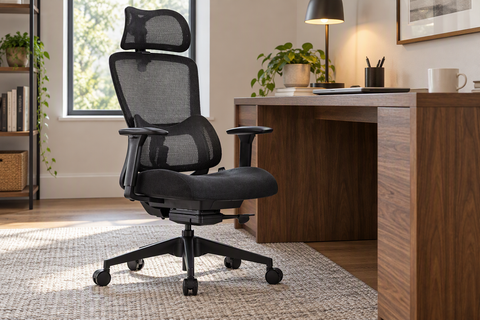
Many people underestimate how much room a chair needs. Leave 36 to 42 inches of clear floor space behind the desk. The extra clearance allows you to roll back easily, change posture during the day, and avoid a cramped feeling. Without it, even the best desk can create daily frustration.
Check traffic paths next. Keep a direct route to the door open so the office never blocks movement through the apartment. Baseboards and uneven walls can steal several inches. Measure those details before you order furniture. Accurate numbers prevent the common regret of a desk that fits on paper but crowds the room in real life.
Select the Best Desk Shape for Your Specific Room Geometry
Room shape usually decides which desk works best. Straight desks suit narrow alcoves or shallow closets. They occupy a modest footprint yet still support one or two monitors for focused design work.
L-shaped desks shine in square corners. They turn dead space into usable surface without expanding into the center of the room. The separate wing lets you keep reference materials on one side while the main screen stays centered in front of you. This geometry often feels more open than a long rectangular desk pushed against a single wall.
Wing-shaped designs give a cockpit-style reach. The angled edges bring controls closer without adding overall width. Many designers like the way these desks reduce shoulder strain during marathon sessions. Trapezoidal legs add stability while keeping the visual weight low.
The table below compares typical footprints in a 10 by 12 foot room. Numbers reflect safe planning ranges that respect chair clearance needs.
| Desk Shape | Approximate Footprint | Circulation Space Left | Best For |
|---|---|---|---|
| Straight | 55 x 27 inches | High | Narrow bedrooms or hallways |
| L-shaped | 60 x 60 inches | Moderate | Corner-focused creative work |
| Wing-shaped | 72 x 23 inches | Moderate to High | Dual-monitor designer setups |
These ranges help you see the trade-offs before purchase. A larger surface always costs some movement room. Test the layout with painter's tape on the floor first.
How Straight Desks Perform in Tight Spaces
Straight models stay compact. They slide easily into bedroom corners or converted closets. Keep the depth at least 24 inches so monitors sit at a comfortable distance. This choice works when your workflow centers on one primary screen.
Why L-Shaped Desks Often Suit Designers
An L-shaped desk fills a corner efficiently. One leg handles digital tasks while the other holds tablets or sketchbooks. The shape reduces the need to twist your body. Many users report better focus because everything stays within easy arm reach.
Wing-Shaped Desks for Maximum Reach
The curved or angled front edge shortens the distance to your mouse and keyboard. Designers who switch between drawing and software appreciate the extra reachable area. The narrower overall profile helps preserve walking paths in rooms under 120 square feet.
Configure Your Workstation to Support Long Term Physical Health
Good posture protects your neck, shoulders, and wrists during long hours. Begin by setting the monitor distance. Eyes should stay 20 to 40 inches from the screen. This range reduces visual fatigue and determines the minimum desk depth you need.
Align the top of the screen with your eye level. The slight downward gaze keeps your neck neutral and prevents forward head tilt. A monitor arm makes fine adjustments simple and reclaims the surface space a bulky stand would occupy.
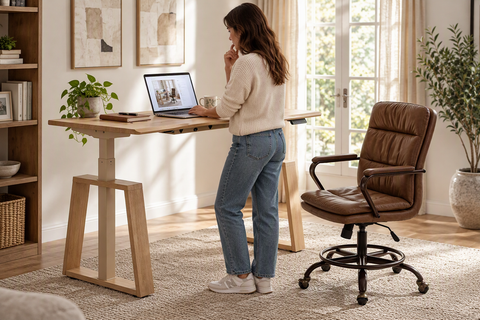
Next, check your typing position. Forearms and upper arms should form an 80 to 100 degree angle. This alignment reduces strain on wrists and elbows. A slight negative keyboard tilt often helps maintain that angle. Adjustable desks let you raise or lower the entire surface so the geometry stays correct whether you sit or stand.
Center the primary monitor directly in front of you. Side placement on an L-shaped desk can force repeated neck rotation. Over months that habit leads to imbalance and discomfort. Many professionals solve the issue by mounting the main display on an arm that swings to the ideal spot.
The following checklist helps you verify your setup quickly:
- Monitor distance: 20 to 40 inches
- Screen height: top edge at eye level
- Elbow angle: 80 to 100 degrees
- Keyboard tilt: slight negative angle
- Chair clearance: 36 to 42 inches behind desk
Small adjustments here deliver noticeable comfort gains over time.
Maximize Vertical Storage to Keep the Primary Surface Clear
Floor space disappears fast in micro-offices. Moving storage upward frees the desk for active work. Pegboard systems turn blank walls into flexible organization zones. You can hang headphones, notes, cables, and small tools exactly where you need them.
Monitor arms offer another big win. They lift displays off the desk and allow precise positioning. The reclaimed real estate makes room for a sketchpad or second tablet without crowding your elbows.
Cable management prevents hidden clutter. Trays mounted under the desk route cords neatly. This step simplifies cleaning and reduces the chance of tangled wires underfoot. Wall-mounted shelves hold reference books and samples without eating into circulation paths.
Vertical solutions also improve daily workflow. Everything stays visible yet off the main surface. Designers report fewer distractions and faster task switching when the desk stays clear. The key is planning locations that match your dominant hand and reach range.
Take Action on Your Small Office Layout
Small rooms reward careful planning. Measure circulation paths first, match desk geometry to your corner, and move storage to the walls. These steps protect comfort and productivity without expanding the footprint. Start with painter's tape on the floor to test your preferred arrangement. Small changes today prevent daily friction tomorrow and help your workspace support creative work for years.
FAQs
Q1: How much clearance do I really need behind my desk in a small room?
Plan for 36 to 42 inches. This range lets you roll your chair back comfortably and change posture without hitting a wall. Less space quickly creates a trapped feeling during long design sessions.
Q2: Can an L-shaped desk work in a room smaller than 10 by 12 feet?
Yes, when the corner is clear and you measure baseboards first. Many layouts succeed by using one shorter leg along the narrower wall. Always verify door swing and walking paths before final placement.
Q3: Should I choose a fixed height or adjustable desk for creative work?
An adjustable model offers more flexibility. It lets you alternate between sitting and standing so your body avoids the same position for hours. The extra cost often pays back through improved daily comfort.
Q4: How do I stop cables from turning a compact office into a mess?
Mount cable trays under the desk and route everything through a single channel. Combine this with a pegboard for chargers and adapters. The setup stays tidy and makes vacuuming simple.
Q5: What monitor arm weight limit matters most in small spaces?
Choose an arm rated for at least 20 pounds if you use a larger display. Stronger arms stay stable when extended and free valuable desk depth for notebooks or tablets.




Leave a comment