

The Hidden Cost of Static Meetings: Why Your Furniture Choice Dictates Productivity
Why does your team’s energy plummet during the second half of a strategy session? Why do participants often leave 15-minute stand-ups feeling physically drained rather than mentally aligned? The answer frequently lies in a fundamental misunderstanding of office ergonomics and the physiological impact of static load.
In the modern corporate ecosystem, the "sync-up hub"—the physical space where teams gather to align—has become a critical variable in the productivity equation. Traditionally, the choice was binary: a standard seated meeting table or a flexible standing desk. However, as documented in The 2026 Workstation White Paper: Converging Ergonomic Science and Sustainable Engineering, the selection process must now move beyond aesthetics toward a rigorous, evidence-based approach that considers musculoskeletal health and cognitive performance.
The "sitting is the new smoking" narrative, while effective for awareness, often oversimplifies the solution. According to the World Health Organization (WHO) 2020 Guidelines on Physical Activity & Sedentary Behaviour, the goal is not merely to stand, but to reduce and interrupt prolonged sedentary periods. Choosing between a huddle table and a standing desk requires an understanding of how each furniture type influences posture, blood circulation, and the metabolic demands of the task at hand.

The Science of Static Load and Musculoskeletal Health
To understand why furniture choice matters, we must first address the physiological principles of the "static load." When a team sits around a traditional table for hours, the body is subjected to sustained muscular contraction to maintain a seated posture. This often leads to a "slumped" position, which deviates from the spinal neutral position.
According to ISO 11226:2000 (Evaluation of static working postures), maintaining static joint angles for extended durations increases the risk of Musculoskeletal Disorders (MSDs). In a seated environment, the lumbar spine often loses its natural curvature, leading to increased intradiscal pressure. Conversely, prolonged static standing is not a panacea. The Canadian Centre for Occupational Health and Safety (CCOHS) warns that standing for too long can lead to blood pooling in the lower limbs and increased pressure on the circulatory system.
The "muscle pump" mechanism—the contraction of leg muscles that helps return blood to the heart—is most effective when there is movement variation. This is why the Cornell University Ergonomics Web recommends the 20-8-2 rhythm: 20 minutes of sitting, 8 minutes of standing, and 2 minutes of moving/stretching.
The Pathophysiology of Meeting Fatigue
When blood circulation is compromised by static posture, oxygen delivery to the brain can subtly decrease, manifesting as "brain fog" or meeting fatigue. By integrating furniture that encourages movement—whether through height adjustability or the agile nature of a standing hub—facility managers can mitigate these physiological stressors and maintain team focus.
Huddle Tables vs. Standing Desks: A Functional Comparison
In office furniture terminology, a "huddle table" typically refers to a standard physical category designed for 2–4 person seated collaboration, often measuring approximately 60"W x 30"D. In contrast, a standing desk (or height-adjustable desk) is designed to transition between seated and standing heights, primarily optimizing individual ergonomics but increasingly used as a collaborative pivot point.
The Huddle Table: The Zone for "Deep-Dive" Sessions
For weekly deep-dive sessions involving physical prototypes, printed materials, or extensive laptop work, a dedicated huddle table remains indispensable. These tables are engineered for stability and often include central power grommets to ensure that a 90-minute session isn't interrupted by a dying battery.
Logic Summary: Our analysis of meeting cadences suggests that seated huddle tables are most effective when the cognitive load is high and the duration exceeds 45 minutes. The seated position allows for a lower metabolic expenditure, permitting the brain to allocate more resources to complex problem-solving.
The Standing Desk: The Hub for Agile Alignment
For daily 15-minute stand-ups or "pulse checks," a height-adjustable desk in an open area is invaluable. The act of standing subtly keeps discussions concise and prevents the "settling in" effect that often occurs in seated meetings.
However, a common mistake observed in facility management is placing a standing desk in a small, enclosed room. Without the "seating pressure" of a traditional conference room, meetings in these cramped spaces can actually run over time as participants lose track of the physical discomfort associated with static standing.
| Feature | Huddle Table (Seated) | Standing / Height-Adjustable Desk |
|---|---|---|
| Primary Use Case | Strategic planning, deep-dive reviews | Agile stand-ups, impromptu sync-ups |
| User Capacity | 4–6 people (typically) | 1–3 people (optimally) |
| Ergonomic Logic | Stable support for long duration | Movement variation & posture change |
| Standard Compliance | BIFMA X5.5 (Desk/Table) | BIFMA G1-2013 (Ergonomics) |
| Typical Height | ~29" (Fixed) | 24" – 50" (Adjustable) |
Selecting the Right Hub for Your Team's Cadence
The choice between these two hubs should be dictated by your team's specific workflow. Based on patterns observed in corporate facility audits (not a controlled lab study), we recommend a "Hybrid Hub" strategy.
Scenario A: The Agile Team (Daily Stand-ups)
If your team relies on rapid-fire updates, a height-adjustable solution like the Ark X Executive Standing Desk (60"x26") provides the necessary flexibility. While designed as an executive desk, its 60-inch width allows for 2-3 people to gather around for a quick screen review. The dual-motor system allows the "hub" to rise instantly, signaling the start of a focused, standing-only meeting.
Scenario B: The Creative Studio (Tactile Reviews)
For teams that need to spread out blueprints or mood boards, the Opal Executive Standing Desk (66"x29") offers a larger surface area and integrated storage. The ability to adjust height means that a creative director can keep the desk at standing height for a quick review, then lower it for a seated, detailed editing session.

Practical Recommendations for Hub Setup
Regardless of the furniture type you choose, proper setup is non-negotiable for preventing MSDs. Use the following checklist, aligned with OSHA eTools for Computer Workstations, to audit your sync-up hubs:
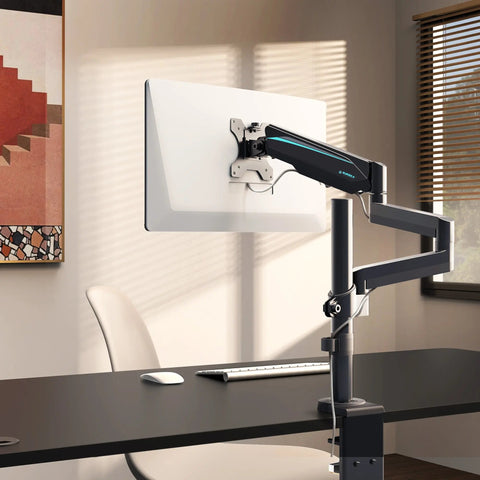
- Monitor Alignment: If your hub includes a shared screen, ensure it is mounted on a Single Monitor Arm. This allows the screen to be tilted or rotated ±90° for easy sharing without forcing participants into awkward neck rotations.
- The "Fit Most" Logic: When selecting height-adjustable desks, ensure they meet the BIFMA G1-2013 Ergonomics Guideline, which specifies dimensions to accommodate the 5th to 95th percentile of the population.
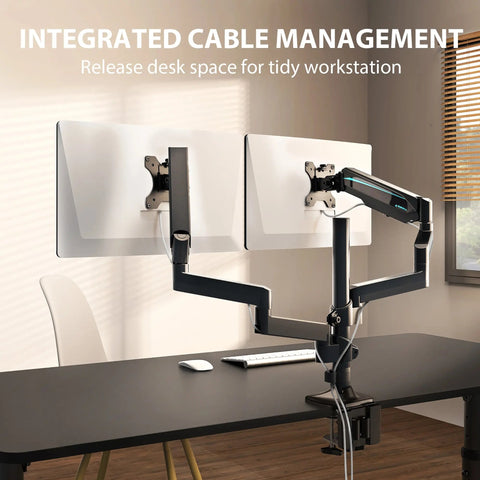
- Cable Management: In collaborative zones, loose cables are a trip hazard and a cognitive distraction. Utilize accessories like Convertible Desktop Shelves, set of 2 to elevate hardware and keep the primary collaboration surface clear.
- The Sit-Stand Ratio: For teams using standing desks as hubs, encourage the "20-8-2" rule. Avoid standing for more than 30 minutes at a time to prevent lower limb fatigue.
Methodology Note: Modeling Ergonomic Impact
Modeling Note (Reproducible Parameters): To estimate the productivity impact of a height-adjustable hub vs. a fixed seated hub, we modeled a team of 4 performing 15-minute daily stand-ups over a 250-day work year.
| Parameter | Value | Rationale | | :--- | :--- | :--- | | Meeting Duration | 15 mins | Standard Agile Stand-up | | Frequency | Daily | 5 days/week | | Transition Time (Seated) | 3-5 mins | Time spent rearranging chairs/getting settled | | Transition Time (Standing) | <1 min | Instant engagement | | Potential Time Recovered | ~12.5 hours/year | Based on reduced "settling" time per person | | Boundary Conditions | Model assumes open-plan layout | Does not account for travel time to meeting rooms |
Beyond the Desk: The Holistic Environment
Choosing the right hub is only half the battle. To truly enhance employee well-being, facility managers must consider the broader environment, as outlined in the OSHA eTools: Workstation Environment guidelines:
- Lighting and Glare: Ensure that shared monitors are positioned to minimize glare from windows, which can lead to eye strain and headaches.
- Acoustics: Standing desks in open areas are excellent for agility but can disrupt nearby focused workers. Consider acoustic "buffers" or placing hubs in low-traffic zones.
- Air Quality: When procuring furniture for B2B environments, prioritize certifications like UL GREENGUARD, which ensures low chemical emissions and healthier indoor air quality.
Orchestrating the Agile Workspace
The most effective modern offices do not choose between huddle tables and standing desks; they integrate both. By using a standing desk as a primary individual workstation that can pivot for 2–3 person impromptu reviews, and pairing it with a separate, dedicated huddle table for larger, scheduled sessions, you create a dynamic ecosystem that respects the physiological needs of your staff.
As you refine your office layout, remember that the "best" setup is one that encourages movement. As noted in the Cochrane Systematic Review on Workplace Interventions (2018), sit-stand desks significantly reduce sitting time, but their effectiveness is maximized when combined with behavioral interventions—such as timers or team-wide "movement breaks."
Invest in furniture that meets ANSI/BIFMA X5.1 safety and durability standards to ensure a long-term ROI. By prioritizing ergonomic science over office trends, you aren't just buying tables; you are engineering a culture of health and sustained performance.
Disclaimer: This article is for informational purposes only and does not constitute professional medical, legal, or facility management advice. Ergonomic needs vary by individual and workspace; readers should consult with a certified professional ergonimist or healthcare provider, especially if they have pre-existing musculoskeletal conditions.
Sources and Authoritative References
- BIFMA G1-2013 Ergonomics Guideline for Furniture
- CCOHS: Office Ergonomics - Sit/Stand Desk
- Cochrane Library: Workplace interventions for reducing sitting at work (2018)
- Cornell University Ergonomics Web — Workstation Guides
- ISO 9241-5:2024 Workstation layout & postural requirements
- OSHA eTools: Computer Workstations - Neutral Working Postures
- WHO 2020 Guidelines on Physical Activity & Sedentary Behaviour
- EU-OSHA: Musculoskeletal disorders and prolonged static sitting




Leave a comment