

A luxury ergonomic office chair should do two things at once: look at home in an upscale office and stay adjustable enough for long workdays. If one of those is missing, the chair may look impressive but feel wrong after a few hours. The best fit usually comes down to materials, seat fit, recline behavior, and whether the chair matches the room's tone.

What Makes a Chair Feel Executive
For most buyers, an executive chair is not just a nicer-looking office chair. It is a chair that reads as polished on camera, sits confidently beside a premium desk, and still gives you enough adjustment for daily work. BIFMA's executive and management chair overview is useful here because it frames these chairs as swivel seats with adjustment capability, while BIFMA X5.1 covers stability, durability, and strength testing for executive and management chairs.
Luxury Materials Without Visual Bulk
Luxury materials matter most when they support the room rather than overpower it. A chair with a refined finish can look better next to wood furniture, neutral walls, and a clean video-call backdrop. In practice, the visual win is strongest when the chair keeps a slim enough silhouette to avoid crowding the desk.
Ergonomic Support You Can Actually Adjust
The executive look is only useful if the chair still fits the person using it. Seat height, seat depth, recline, and armrest position are the adjustments that usually change whether a chair feels good in a real home office.
Finish, Color, and Silhouette for Home Offices
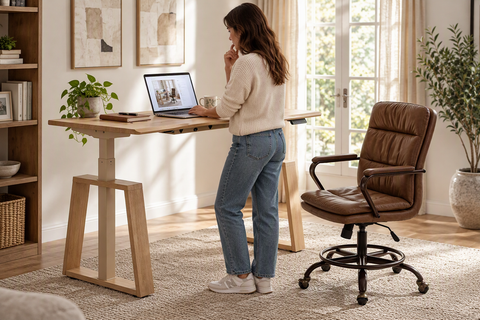
If the chair will sit in a dedicated office, finish and silhouette can matter almost as much as fabric choice. Dark leather, off-white upholstery, and soft neutral tones tend to look more executive beside walnut or oak desks. The wrong proportion, though, can make even an expensive chair feel bulky in a smaller room.
Build Quality at Desk Height
A polished base, smooth stitching, and stable tilt controls matter because the chair is seen up close every day. That is especially true in hybrid setups where the chair is part of your background on calls. If the frame looks heavy or unfinished at desk height, the premium impression fades quickly.
Materials That Signal Luxury
Material choice should be treated as a style-and-maintenance decision, not a wellness promise. Genuine leather can signal the strongest luxury look, while silicone leather and faux leather often make cleanup easier and still keep a polished appearance. The tradeoff is usually between presentation, surface feel, and how much upkeep you want to live with day to day. A general material guide from Karo's office chair comparison reflects that same basic tradeoff.

| Material | Look In A Home Office | Day-To-Day Maintenance | Feel Over Long Sessions | Best Fit |
|---|---|---|---|---|
| Genuine leather | Strongest luxury signal | Moderate upkeep | Often feels warmer | Private executive office, image-first buyers |
| Silicone leather | Clean, polished, modern | Easier to wipe down | Usually more forgiving than leather-look finishes | Buyers who want a refined look with simpler care |
| Faux leather | Budget-friendlier executive look | Easy maintenance | Can feel less premium depending on build | Buyers balancing appearance and practicality |
If you work in a warmer room or sit for long stretches, breathability matters more than the material name on the listing. If your office is mostly for calls and shorter focused sessions, the premium look may matter more than the last bit of surface softness. That is why the right answer often changes with climate, schedule, and how formal the room needs to feel.
How Product Examples Map to Those Tradeoffs
Serene Ella, Napa Leather Executive Chair is the clearest fit if you want the strongest leather-forward presentation. Its genuine Napa leather front and silicone leather back make it the most obviously luxury-oriented option in this group, so it suits buyers who want the chair to read as executive first and adjustable second.
Forma, Ergonomic Executive Office Chair leans the other direction. Its 4D armrests, 18.7"-21" seat depth, and 101°-130° recline give it the strongest adjustment story, so it is the better fit when you want a premium chair that prioritizes tuning and daily flexibility.
The Ergonomic Features Worth Paying For
For a luxury ergonomic office chair, the features that matter most are the ones that change how the chair fits your body and desk. Appearance gets you interested, but adjustability is what decides whether the chair stays comfortable during calls, typing, and back-to-back meetings. A chair with the right proportions can feel surprisingly different even when two models look similar.
Lumbar Shape and Lower-Back Feel
Lumbar support is worth paying for because it affects how stable the backrest feels during long sitting sessions. In plain terms, it helps the chair follow your lower back instead of pushing you into one rigid position. That does not mean pain relief, but it does mean the chair can feel more settled and less fussy over time.
Recline Range and Lock Positions
Recline matters more in executive chairs than many buyers expect. A wider recline range gives you more room to shift between focused work, calls, and brief lean-back breaks. The key is not the biggest number on the page; it is whether the lock positions match how you actually work.
Seat Depth and Seat Height Fit
Seat depth is one of the easiest features to overlook and one of the most important to get right. If the seat is too deep, shorter users may lose back support. If it is too shallow, taller users may feel cramped. This is why a chair's height range matters before its styling details do.
A Guide to Adjusting Your Ergonomic Chair Correctly is useful background if you want a deeper explanation of why support shape changes long-session comfort without turning the topic into a medical claim.
Armrests, Headrests, and High-Back Support
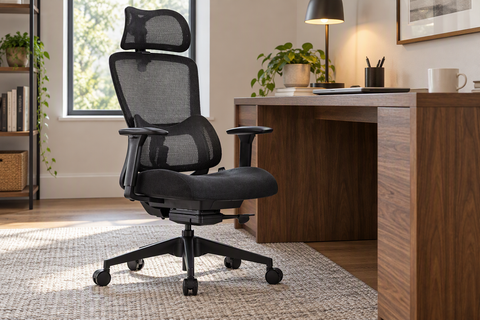
Armrest style changes how close you can sit to the desk, and that can affect how natural the chair feels in use. Fixed armrests can work if the chair height and desk clearance line up well. Adjustable arms are more forgiving, especially in shared spaces or mixed work setups. High-back and headrest designs are also more about posture variety and visual presence than about a universal comfort guarantee.
Which Features Shift the Decision Most
If you only compare three things, compare seat depth, recline, and armrest behavior. Those are the features most likely to flip a purchase from "looks great" to "fits my routine." A chair that looks expensive but does not support your sitting pattern is still the wrong chair.
Three Chairs to Compare First
If you want a shortlist, start with three different interpretations of the same executive home-office idea. Each one solves a slightly different problem, so the right pick depends on whether you care most about luxury finish, adjustability, or a more designer-forward look.
- Serene Ella, Napa Leather Executive Chair is the most obvious choice for buyers who want a luxury-first statement. Its genuine Napa leather front, 103°-128° tilt with three locks, and 275 lb capacity make it the clearest presentation piece in the group.
- Forma, Ergonomic Executive Office Chair is the strongest pick for buyers who want the most tuning flexibility. The 4D armrests and adjustable seat depth help if your desk routine changes a lot during the day.
- Cruz, Faux Leather Executive Office Chair fits buyers who want a more design-led look with segmented support, polished aluminum details, and adjustable seat depth. It feels less traditional than the leather-forward options.
Setup Fit Snapshot
| Chair | Best For | Key Strength | Not A Fit If |
|---|---|---|---|
| Serene Ella | Luxury presentation | Strongest leather-forward look | You want the most adjustment-heavy chair |
| Forma | Long workdays with frequent position changes | Seat depth and armrest adjustability | You want a softer, more traditional executive look |
| Cruz | Designer-forward home offices | Distinctive styling with adjustable seating features | You want a classic leather boardroom feel |
If your office is camera-facing and highly styled, Serene Ella usually has the strongest first impression. If you sit in the chair for most of the day and keep changing tasks, Forma is the safer fit. If you want the chair to act as part of the room design, Cruz is the more style-led option.
What to Check Before You Buy
- Start with the chair's role in the room. If it needs to read as executive on video, style and proportion matter as much as upholstery.
- Confirm the seat height, seat depth, and recommended height range before you look at extras.
- Match recline behavior to your routine. If you alternate between focused work and lighter tasks, lock positions matter.
- Treat armrests as a fit check, not just a style choice, because they change desk clearance.
- Review warranty, return policy, and shipping terms before checkout, especially if you live outside the Lower 48.
For a broader browsing path, the Office Seatings collection is the simplest place to compare more chair styles after you narrow down your preferred look and adjustment level.
Final Checks for an Upscale Home Office
The best luxury ergonomic office chair is the one that fits the room as well as the routine. If it looks right on camera, clears the desk cleanly, and gives you the adjustments you actually use, it is doing its job. Before you buy, check the finish, seat fit, and policy details one more time so the chair feels premium after delivery, not just in the product photos. Pairing the chair with a matching desk finish further elevates the space; see How to Match Your Executive Chair and Desk Style for quick visual guidelines.
Related Resources
- A Guide to Armrest, Headrest & Seat Adjustments
- Why High-Back Executive Chairs Are Essential for Thoracic Health
- A Guide to Adjusting Your Ergonomic Chair Correctly
- Royal Rowan,Microfiber Leather Executive Office Chair
- Lira, Ergonomic Office Chair
FAQs
Q1. How Do I Choose a Luxury Ergonomic Office Chair for Long Workdays?
Start with fit, then style. Seat depth, recline, armrests, and height range decide how the chair feels over time, while materials and color decide how well it suits the room. If one feature is off, the chair may still look premium but not suit daily use.
Q2. What Materials Work Best in an Executive Home Office?
Genuine leather gives the strongest luxury impression, while silicone leather and faux leather usually make cleaning easier. The best choice depends on how formal the room needs to look and how much maintenance you want. In warmer rooms, surface feel and breathability may matter more than finish alone.
Q3. Can a Luxury Chair Still Be Comfortable for 8+ Hours?
It can be, but comfort depends on adjustment and fit rather than appearance. A chair with the right seat depth, recline, and armrest behavior is more likely to stay workable through a long day. If those settings do not match your body or desk, the premium materials will not fix that.
Q4. Why Does Seat Depth Matter in an Executive Office Chair?
Seat depth affects how much thigh support you get and how easily your back meets the backrest. Too deep, and shorter users may slide forward. Too shallow, and taller users may feel cramped. It is one of the fastest ways to rule a chair in or out.
Q5. How Should I Match an Executive Chair to My Home Office Style?
Start with the desk material, wall color, and how visible the chair will be on calls. Leather-forward finishes pair well with wood desks and darker palettes, while softer neutrals can feel better in modern spaces. The chair should reinforce the room's tone, not compete with it.




Leave a comment