

Luxury home office design in 2026 is less about making a room look expensive and more about making it feel calm, deliberate, and operationally sharp. The best versions combine restrained aesthetics, durable materials, and a setup that supports deep work, video calls, and client-facing moments without visual noise.

The 2026 Luxury Home Office Brief
For most executives, the right luxury home office feels like a private command center, not a showroom. That means the room should handle long work sessions, quick transitions between meetings, and enough storage to keep the surface visually quiet. If the room only photographs well but feels cramped, it is not a strong design.
A useful starting rule is to treat luxury as a three-part balance: visual restraint, material quality, and operational efficiency. The ergonomic side is still relevant, but the practical guidance is bounded rather than absolute. Workstation references from the University of Virginia’s ergonomic office guide emphasize adjustability, neutral posture, and enough clearance for feet and legs, while the OCWR office ergonomic guidance highlights monitor height, elbow position, thigh support, and foot placement.
That combination matters because a luxury room should not force awkward compromises. If the desk, chair, monitor, and lighting all compete for attention, the room stops feeling executive. If they disappear into the design, the room feels expensive in a way that also works day after day.
Browse the Home Office collection as the broad navigation path before narrowing to a specific build.
Premium Materials That Earn Their Place
Luxury materials should earn their place through both appearance and durability. In a bright room, the finish needs to look refined from multiple angles, not just in staged photography. It also needs to tolerate daily contact, device movement, and the small wear patterns that build up on a working desk.
Sintered Stone for a Statement Desk Surface
Sintered stone is often positioned as a strong choice when the desk has to read substantial and highly polished at the same time. The main appeal is that it looks architectural, which suits a more formal executive interior. As a planning rule, it makes the most sense when the room has enough space for the desk to act as a visual anchor.
If you want a broader durability conversation before specifying a surface, How Desk Material Impacts Its Long-Term Stability is the most relevant follow-up resource.
Wood Veneer and Leather for Warm Executive Finish
Wood veneer and leather bring warmth, especially when the room needs to feel less clinical and more private. This combination works best when the rest of the room stays restrained. If you overlayer strong patterns or too many contrasting finishes, the room can start to look busy rather than refined.
Metal, Base Geometry, and Long-Term Stability
Metal matters less as a decorative cue than as a stability cue. Clean base geometry, especially on a standing desk, helps the room feel grounded. In a premium setup, that stability signal is almost as important as the surface finish because it keeps the room from feeling delicate.
For readers comparing complete workspace packages, office furniture bundles can be a practical way to see how materials and proportions are coordinated across a set.

Build the Seating and Desk Core
The desk and chair are the functional core of a luxury home office design, so they should be chosen together rather than as separate style purchases. If the desk is visually strong but the chair feels mismatched, the room loses coherence. If the chair is supportive but the desk is underscaled, the room can feel temporary.
| Design Need | Best Fit | Why It Fits | When It Breaks Down |
|---|---|---|---|
| Large, formal executive room | Zen Lunar, Executive Desk & Bookcase | Very large footprint, formal materials, and a built-in storage presence suit a dedicated room with enough volume | Too large for compact hybrid rooms or rooms where circulation is already tight |
| Executive room with storage and integrated tech | Executive Office Set: Ark EX Standing Desk, Chair & Storage | Combines a height-adjustable desk, storage, cable management, USB ports, and wireless charging in one coordinated package | Less suitable if you want a lighter visual footprint or if the room cannot absorb the storage volume |
| Smaller hybrid room that still needs executive polish | Ark SWS, 63 x 29 Executive Standing Desk | More compact than a large executive suite while still offering height adjustment, drawers, cable control, and charging | Can feel dense if the room already carries a lot of furniture |
| Chair for long sessions with a refined look | Mathias, Napa Leather Executive Office Chair | Offers size options, leather touchpoints, and a more traditional executive silhouette with modern adjustability | Not the best fit if you want a lighter, minimal profile |
| Softer leather-forward chair with a more modern profile | Serene Aaron, Genuine Leather Executive Office Chair | Fits a luxury workspace that wants a high-back leather look and more pronounced comfort features | Less formal if the room is built around a classic boardroom mood |
A simple decision sentence applies here: if you want the room to feel fully integrated, the desk should solve storage and charging as part of the composition; if you want the room to feel more open, choose a lighter desk and keep the chair visually quiet.
For chair and desk browsing by category, Office Seatings is the cleanest internal path, while the Ark Standing Desk collection is the most direct desk-focused route.
Hide Technology Without Hiding Function
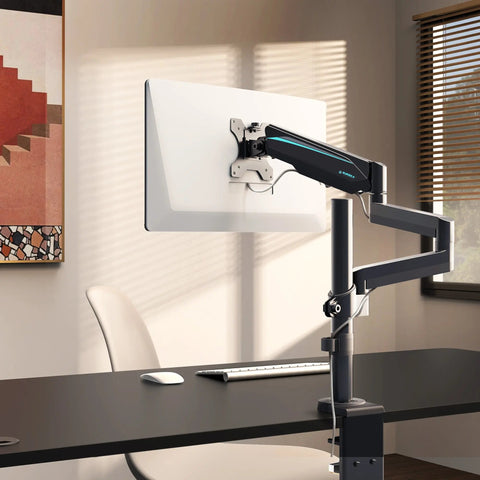
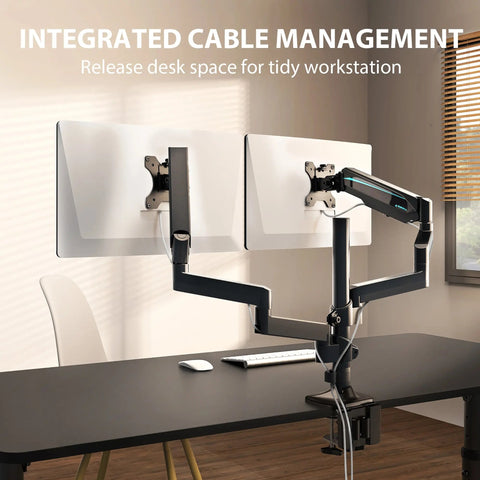
The fastest way to break a luxury home office is visible clutter. Charging blocks, loose cables, and small accessories can make even expensive furniture feel improvised. The goal is not to hide every device, but to make the technology feel built in.
Keep charging close, but not visually dominant. Built-in cable routing, drawer-based storage, and discreet power access help the desk stay clean through the workday. That matters in hybrid rooms, where a laptop may be open for video calls one hour and cleared away the next.
A practical setup rule is to reserve the desktop for only the items that reinforce the room’s executive character. That usually means the laptop, notebook, and one accessory rather than a spread of peripherals. If you need a deeper organization layer, browse Workstation Accessories for add-ons that support the desk without taking over the surface.
Finish With Lighting, Scale, and Final Checks
Lighting is what makes the room feel finished. The best luxury home office design uses layered light, which means task light for work, ambient light for atmosphere, and accent light to keep the room polished on camera. A checklist for home office lighting is useful here because glare and poor color balance can undermine an otherwise excellent room.
Scale matters just as much. A large desk in a compact room can make the office feel overfurnished, while a small desk in a generous room can make the whole composition feel tentative. In practice, the right choice depends on how much visual weight the room can carry and how much storage the setup needs.
Before installation, verify three things: chair clearance, cable paths, and how the room looks from the doorway and from the camera angle you use most often. If those three views feel balanced, the room is probably ready.
The Ergonomics of a Traditional Executive Desk is a useful reference if you want a more detailed setup lens, and The Long-Term Health Benefits of an Ergonomic Chair is a sensible follow-up if you are comparing seating priorities.
Layered Lighting for Video Calls and Focus Work
For most hybrid rooms, the biggest lighting mistake is relying on one ceiling fixture. That creates flat video and uneven task visibility. Layered lighting is more forgiving because it lets you tune the room for the meeting, the time of day, and the mood you want the room to project.
Room Scale, Sightlines, and Material Balance
A luxury office should feel proportional from the door. If the desk dominates the whole view, the room can feel heavy. If it disappears, the design may lack presence. The goal is a balanced first impression, where materials and scale signal quality without crowding the room.
2026 Setup Checks Before You Commit
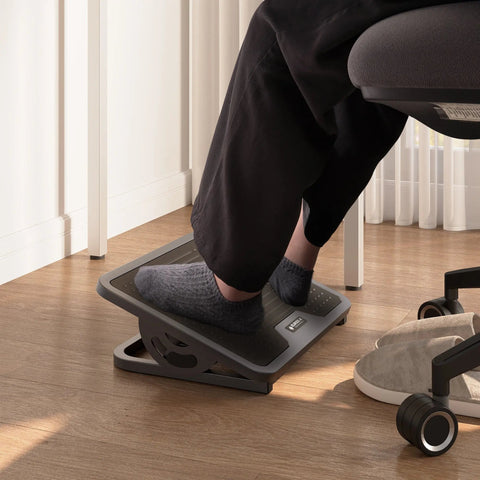
Use the same checklist every time: does the chair fit the desk height, can your feet rest naturally, are the cables out of sight, and does the room still feel calm after the practical items are added? The ANSI office ergonomics overview is a good reminder that ergonomics is about productivity and health considerations, not a special 2026 certification promise.
FAQs
Q1. How Do You Design a Luxury Home Office That Still Feels Practical?
Start with the working core, then layer luxury around it. A practical room keeps the desk, chair, lighting, and storage aligned so the space works for daily use. The best results usually come from restrained finishes, hidden cable paths, and enough surface discipline that the room feels calm instead of crowded.
Q2. What Materials Work Best for a High-End Executive Desk?
Sintered stone, veneer, leather, and metal can all work, but they solve different problems. Stone reads more architectural, veneer brings warmth, leather adds tactile richness, and metal supports a cleaner structural look. The best material depends on whether your priority is statement presence, warmth, or long-term durability.
Q3. Can a Standing Desk Fit a Luxury Interior Without Looking Too Functional?
Yes, if the desk has the right proportions and finish. A standing desk fits a luxury interior best when its base geometry is clean, its surface finish matches the room, and cable management keeps the technology quiet. It starts to look too functional when the desk becomes the only visible design decision.
Q4. What Should You Prioritize in a Premium Ergonomic Setup?
Prioritize desk stability, seating support, lighting, and storage before accessories. If the desk and chair do not work together, the rest of the room will not feel refined. Once the core is right, integrated charging, cable management, and shelving are the finishing layers that make the room easier to use.
Q5. How Do You Keep Technology Hidden in a Luxury Home Office?
Use built-in cable routing, tucked-away charging, and storage that matches the desk language. The goal is not to eliminate devices, but to keep them from becoming the visual center of the room. A single laptop, one notebook, and one accent object usually look better than a surface covered with chargers and peripherals.
A Luxury Office Works When It Disappears Into the Day
The strongest luxury home office does not announce itself with excess. It supports long sessions, looks composed on camera, and stays organized without constant reset. If you choose materials carefully, size the desk to the room, and hide technology without losing function, the space will feel premium in use, not just in photos. For further inspiration on refined setups, see Executive Home Office Setup: 5 Essentials for a Functional, Stylish Space and How to Create an Elegant Home Study.




Leave a comment