

Mesh vs leather ergonomic chair is a choice between cooler airflow and a more cushioned, executive feel. For most buyers, the safer first check is fit, because seat depth, seat height, and lumbar adjustability matter more than the finish itself when comfort is the goal.

Breathability Versus Cushioning
For long workdays, mesh usually wins if your room runs warm. Airflow tends to matter more once you are sitting for hours, especially in summer or in a home office without strong AC. Leather usually feels softer and more enclosed, which some buyers prefer, but it can also feel warmer in the same room conditions.
How Mesh Handles Heat and Airflow
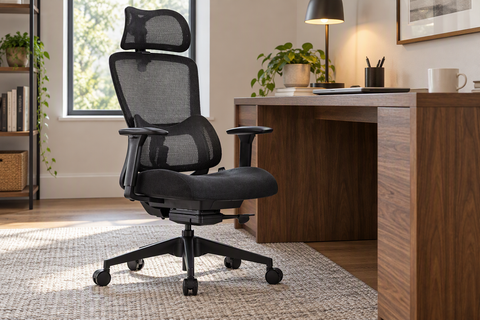
Mesh is the better starting point when your main complaint is heat buildup. That does not mean every mesh chair feels equally cool, but the material itself is less likely to trap warmth than a padded, enclosed back. In a warm desk setup, that difference can be the one you notice by mid-afternoon.
How Leather Changes Seat Feel and Temperature
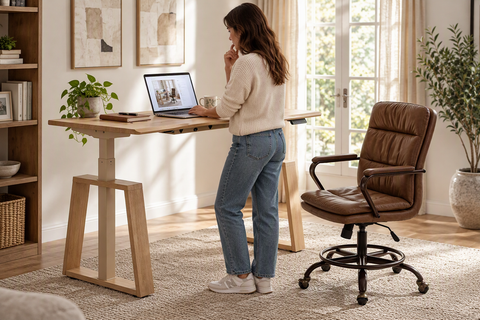
Leather and leather-like surfaces usually create a plusher first impression. That can be great if you want a chair that feels more wrapped-in and more formal, but it also changes how heat is held against your body. In rooms that already feel warm, that extra enclosure can become the part you notice most.
What Cushioning Means for All-Day Comfort
Seat cushioning matters as much as backrest material. A mesh back with a supportive seat can still feel comfortable for a full day, while a leather chair with a weak seat can feel disappointing even if the finish looks premium. The right question is not which material is softer in the store, but which setup stays comfortable after lunch.
Which Material Usually Feels Better in Different Seasons
If you want one simple rule, mesh usually fits hot months and leather usually fits cooler, climate-controlled rooms. That is only a rule of thumb, though. In a well-air-conditioned office, leather may feel perfectly fine. In a stuffy room, even a good padded chair can feel less pleasant than a breathable one.
If you want a broader material overview before narrowing down, see Mesh vs. Leather vs. Fabric: Choosing a Chair Material.
Support and Posture Differences
Support is mostly a chair-design question, not a material verdict. OSHA's computer workstation chair guidance and UNC's office ergonomics guidance both emphasize adjustability, lumbar support, and seat depth. That is why the mesh vs leather ergonomic chair choice should happen after you know the chair fits your body. Beating Back Pain: How an Ergonomic Chair Offers Relief explains the same priority.
| Factor | Mesh | Leather | Decision Note |
|---|---|---|---|
| Lumbar feel | Often feels more adaptive when the frame and tension system are well designed | Often feels more padded and enclosed | Choose the version that gives you stable lower-back contact, not just the finish you like |
| Pressure distribution | Can feel supportive when the seat is shaped well | Can feel softer at first contact | Seat shape matters more than the material label |
| Reclining comfort | Often feels airy and less warm during long sessions | Often feels cushier for relaxed sitting | Recline comfort flips based on the chair's mechanism and cushion depth |
| Heat buildup | Usually lower | Usually higher | Warm rooms favor mesh |
| Long-session fatigue | Depends heavily on lumbar fit | Depends heavily on seat cushioning | The chair that matches your body measurements usually wins |
A useful decision sentence: if you sit eight hours or more and run warm, mesh is usually the safer bet; if your office stays cool and you prefer a softer, more enclosed seat, leather may be the better fit. But if the lumbar curve misses your back or the seat depth is wrong, either material can feel off.
Maintenance and Long-Term Wear
The maintenance trade-off is simple: leather is usually easier to wipe quickly, while mesh usually asks for a little more routine attention. A quick wipe matters if you snack at your desk, share a home office, or want a chair that looks presentable after busy weeks. Mesh can stay clean too, but dust and debris tend to be more visible in the weave.
Everyday Cleaning and Spill Care
If you want the lowest-friction cleanup after coffee, crumbs, or a quick handprint, leather has the edge. You can usually reset the surface faster. Mesh is still manageable, but the cleaning routine is less "one swipe and done." For households that use the desk all day, that difference can affect how often the chair feels neglected.
How Mesh and Leather Age Differently
Long-term wear also looks different. Leather-like finishes can show surface marks, finish wear, or peeling over time depending on quality and use. Mesh may not peel, but it can lose its fresh look if dust builds up or if the weave starts to sag. Neither one is maintenance-free; they just age in different ways.
Scratch, Peel, and Dust Considerations
Busy home offices should think about more than initial appearance. If you want a finish that wipes fast, leather is easier to live with. If you care more about staying cooler and can tolerate a bit of dusting, mesh may feel better day to day. That trade-off is often clearer after the first month of ownership than on the product page.
If you are specifically comparing upkeep routines, the 7 Steps to Deep Clean Your Mesh Executive Chair is a practical next step.

Style and Room Fit
Mesh usually reads lighter and more modern, while leather-style chairs tend to project a more traditional executive look. That does not make one better, but it does change how the chair fits the room. In a compact home office, mesh can keep the space from feeling visually heavy. In a meeting room or polished workstation, leather can look more intentional and formal.
Room temperature, desk finish, and lighting affect the result more than people expect. A black leather chair in a dark room can feel more dominant, while a gray mesh chair often blends into the background. If the chair needs to support the room's tone, style matters. If the chair needs to support your body first, style comes second.
For shoppers who want to browse a broader mix of seat styles, start with the Ergonomic Office Chairs collection.
Climate and Use-Case Match
If you want the shortest answer, choose mesh for warm rooms, long summer sessions, and active workdays. Choose leather for cooler, temperature-controlled spaces where you want a softer, more executive presentation. That flips if your room setup is unusual, but it is the safest default for most US home offices.
- Choose mesh if your desk area runs warm or you do not control the thermostat.
- Choose mesh if you move between sitting and standing and want a chair that feels less sealed in.
- Choose leather if the chair sits in a cool, climate-controlled office most of the year.
- Choose leather if the chair also needs to serve as a client-facing or conference-room seat.
- For back-pain concerns, check lumbar adjustability and seat depth before you focus on the material.
A practical decision sentence: if breathability is the bigger daily problem, mesh is usually the better fit; if presentation and wipe-clean convenience matter more, leather may make more sense. But if the chair does not match your height or seat-depth needs, neither option is a good buy.
If you want a mesh-first option to compare against a leather-first one, Nico, Mesh Ergonomic Office Chair is the cleaner navigation choice for a breathable office setup. For a more executive feel, Clara, Faux Leather Executive Ergonomic Office Chair is the relevant browsing path.
Ownership Cost and Buyer Checklist
The real cost of a chair is not only the sticker price. It also includes delivery, return friction, maintenance time, and whether the chair fits your space the first time. For many buyers, a chair that is slightly cheaper but wrong for the room ends up being the more expensive mistake.
- Measure your seat-height range, seat depth, and armrest clearance before comparing materials.
- Verify lumbar adjustability, because fit affects comfort more than finish.
- Check the return window and warranty so you can test the chair in your own workspace.
- Factor in maintenance time if you eat at your desk or share the chair.
- Treat shipping as part of ownership cost, especially if you live outside the Lower 48 or need freight delivery.
If you want one final rule, buy the chair that fits your body and room first, then use material to fine-tune comfort, upkeep, and style. That approach avoids the most common regret: choosing the prettier finish and discovering later that the chair was the wrong size or too warm for daily use.
Related Resources
- Decoding Office Chair Comfort: Get the Scoop on Genuine Leather, PU Leather, and Mesh
- A 5-Step Checklist for a Pain-Free Desk Posture
- How an Ergonomic Chair Prevents Chronic Neck Pain
FAQs
Q1. Is Mesh or Leather Better for Back Pain?
Neither material treats or prevents back pain by itself. The safer choice is the chair that gives you better lumbar contact, correct seat depth, and enough adjustability for your body. Mesh may feel cooler on long days, while leather may feel softer, but the fit matters more than the finish.
Q2. Which Material Is Better for Hot Offices?
Mesh usually works better in hot or poorly ventilated rooms because it tends to feel less enclosed during long sessions. Leather can be comfortable in the right chair, but it often feels warmer once the room temperature rises. If your office runs hot in summer, mesh is the easier default.
Q3. How Do You Maintain a Leather Office Chair?
Use a soft cloth for routine wipe-downs and avoid harsh cleaners that can damage the finish. The main long-term watchout is surface wear, which can show up as scuffs or finish changes over time. If you want lower daily upkeep, leather is usually easier than mesh, but it still needs basic care.
Q4. Can a Mesh Chair Feel Supportive Enough for Eight-Hour Days?
Yes, if the chair has proper lumbar support, a seat that fits your thighs, and a frame that feels stable when you recline or shift position. A good mesh chair can be very supportive for full workdays. The comfort problem usually comes from poor adjustment, not from mesh itself.
Q5. What Should I Check Before Buying a Leather Ergonomic Chair?
Check seat depth, seat height, armrest range, and whether the chair stays comfortable in your room temperature. Also verify the return policy and warranty so you are not guessing. Leather is best when you want a more polished look and your room stays cool enough for that enclosed feel to work.
Which Chair Material Fits Your Workspace Best?
Mesh suits warmer rooms and long sessions while leather suits cooler offices that want a softer executive presentation. Always verify seat depth, lumbar range, and room temperature first. The material only refines comfort once the chair already fits your body and daily routine.




Leave a comment