

If you need an office chair for tailbone pain, start with the seat, not just the backrest. Tailbone pressure is usually a contact problem at the base of the spine, so the chair has to manage where your weight lands. That means seat depth, cushion shape, and relief cutouts matter more than generic lumbar advice alone.

Why Tailbone Pressure Feels Different
Tailbone pain, or coccydynia, is localized at the base of the spine and can be triggered by sitting on hard or ill-fitting surfaces for long periods, as described by the Cleveland Clinic. That is why a chair can feel "supportive" in the back but still leave the coccyx irritated. The issue is often direct seat contact, not only spinal alignment.
A useful way to think about it is this: lower-back ache often pushes shoppers toward lumbar support, but tailbone soreness usually pushes them toward pressure reduction at the seat pan. Mayo Clinic notes that conservative care may include a modified seat cushion to reduce direct pressure, which is a reminder that seat design can matter for comfort even when it is not a medical fix. If pain is persistent or worsening, the chair alone should not be treated as the answer.
For shoppers, the practical takeaway is simple. If your discomfort spikes on hard chairs, thin cushions, or seats that seem to press right under the coccyx, you should judge the seat itself first. That is also why an office chair for tailbone pain should be evaluated differently from a chair chosen only for general posture support.
Seat Features That Change Coccyx Pressure
For tailbone pressure, the main question is not whether a chair looks ergonomic. It is whether the seat pan spreads load well enough that the coccyx is not taking the brunt of it. Three features matter first: seat depth, contour, and any relief channel or cutout near the back of the seat.
Seat Depth and Edge Position
Seat depth should support the thighs without pressing behind the knees. Cornell’s ergonomic chair guidance is clear that the seat pan should support the full length of the thighs without creating pressure at the back of the knees. In plain terms, a seat that is too deep can push you back in a way that concentrates pressure near the coccyx, while a seat that is too short can leave the thighs under-supported and make you slide forward.
For tailbone pain, that slide-forward feeling matters. Sliding often shifts more load to the back edge of the seat and can make the coccyx area feel sharper over time. The best fit is usually the one that lets you sit back without feeling trapped by the seat edge or forced into a shallow perch.
Cushion Contour and Density
Cushion contour changes how the body meets the seat. A flatter or overly soft cushion can let some people sink in too far, while a modest contour can spread load more evenly across the sit bones. The NHS notes that hard surfaces and ill-fitting seats can aggravate tailbone pain, so cushion feel is not a style preference here. It is a fit variable.
That said, there is no universal "right" firmness. Heavier users, longer sitting sessions, and different pelvis shapes can change what feels supportive versus what starts to create a pressure point. A cushion that seems plush in a short test sit can become too compressive after an hour.
Cutout and Relief Channel Designs
Posterior cutouts and relief channels are meant to reduce direct contact around the coccyx. A clinical review in PubMed Central notes that cushions with a posterior cutout are commonly used to eliminate contact with the coccyx for some users. In shopper terms, the goal is not magic comfort. It is simply to move the load away from the sensitive spot.

Cutouts can help, but they are not automatically best. If the opening is too narrow, too shallow, or paired with weak surrounding support, the seat can feel unstable or create new pressure points. The useful question is whether the cutout actually gives the coccyx room without making the rest of the seat feel awkward.
Seat Tilt and Pelvic Position
Tilt should be treated as part of the whole seating system, not as a standalone fix. OSHA’s workstation guidance keeps the basics simple: feet should stay flat and thighs should remain supported. A small amount of tilt can help some people shift pressure away from the tailbone, but too much tilt can cause sliding, leg strain, or extra load elsewhere.
That is why tilt works best when it matches the seat depth and backrest together. If the seat is already too deep, adding tilt can make sliding worse. If the seat is too shallow, tilt may not solve the pressure problem at all. For an office chair for tailbone pain, adjustability matters most when it lets you fine-tune the whole sitting position instead of forcing one fixed posture.
How to Judge Fit Before You Buy
Use this as a shopper checklist before you commit to a chair. The goal is not to diagnose pain. It is to rule out obvious mismatches that often make coccyx pressure worse.
- Check whether the seat depth looks usable for your legs. If the seat seems so deep that it would crowd the back of your knees, that is a warning sign.
- Compare the seat shape to your body size. A seat that is too flat, too narrow, or too soft may concentrate pressure where you least want it.
- Look at the rear edge and center of the seat. If there is a cutout or relief channel, ask whether it looks supportive enough around the opening.
- Confirm that height and tilt adjustability are both available. You want enough room to keep feet flat while changing the pressure angle a little.
- Read the return or trial terms before you buy. Online chair shopping is safer when you can test whether the seat actually feels better after a full work session.
If you already know your body proportions are tricky, it can help to compare fit advice with torso-to-leg ratio guidance so you do not confuse overall chair height with seat-pan fit. The right chair is the one that lets you sit without obvious pressure hot spots, not the one with the longest feature list.
Which Chair Setups Make Sense for Different Users
Different shoppers feel tailbone pressure in different ways, so the best feature mix changes with the use case. The table below gives a simple, qualitative way to compare priorities without turning fit into a score.
| Scenario | Main Priority | Watch-Out | Verify Before Buying |
|---|---|---|---|
| Short sitting blocks | Basic seat comfort | A seat that feels firm too quickly | Seat depth and edge shape |
| Long sitting blocks | Pressure distribution | Sliding or sinking over time | Depth fit and contour |
| Hard seat environment | Cushion feel | A seat that feels too thin or flat | Cushion density and support |
| Already sensitive tailbone | Relief around the coccyx | Pressure at the back edge | Cutout or relief channel fit |
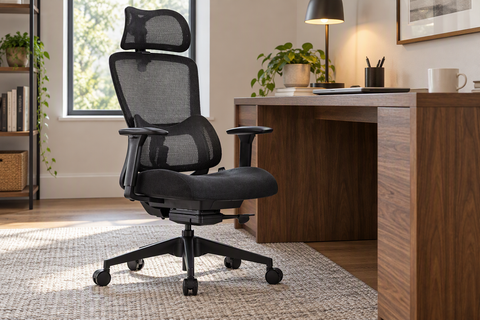
For a long-hour desk worker, seat depth fit and relief around the coccyx usually matter most. If the seat is too deep, pressure tends to build over time. If the cushion is too soft, the body can sink and stop distributing weight well. A chair in a category like office seating is worth comparing closely when those are your main concerns.
For a gamer or anyone who sits in long uninterrupted blocks, the big risk is stability trade-offs. A cutout may help, but only if the surrounding cushion still feels balanced. If the seat makes you slide around or feel perched, the design may be trading one pressure problem for another.
For bigger or taller users, usable seat depth becomes even more important. A seat that looks generous in photos can still feel short once you sit back into it. That is also where a sturdier chair category like contract grade chairs can be a useful browsing path, since structure and long-session support often matter as much as cushioning.
For shorter users, the concern flips. A seat that is too deep can crowd the knees and make the pelvis tuck awkwardly, which may increase coccyx pressure rather than reduce it. In that case, a more adjustable setup is usually safer than a seat that simply looks plush.
Final Checklist for Tailbone-Friendly Chair Shopping
Before you buy, verify six things: the seat depth fits your legs, the cushion does not feel like a hard board or a sinking pit, any cutout or relief channel leaves enough surrounding support, the tilt can be adjusted without making you slide, your feet can stay flat, and the return policy gives you room to test the chair at home. Mayo Clinic’s caution also makes the boundary clear: if pain keeps going despite seat changes, it is time to check with a healthcare provider rather than keep guessing.
If you want the shortest version, choose the chair that manages pressure at the seat first and posture second. That is usually the better office chair for tailbone pain than a chair that only looks supportive from the back.
FAQs
How Is Tailbone Pain Different From Lower-Back Pain When Shopping for a Chair?
Tailbone pain is usually about direct pressure at the coccyx, while lower-back pain is more often about support and posture higher up the spine. That means a chair can have good lumbar support and still miss the real problem if the seat pan concentrates load at the back edge.
What Seat Feature Usually Matters Most for Coccyx Pressure?
Seat depth and pressure distribution usually matter most because they control where your body weight lands. A cutout can help, but it works best when the seat also supports the thighs and does not force you into sliding or slouching.
Can a Cutout Cushion Help With Tailbone Pain?
It can help for some people by reducing direct contact near the coccyx. The key is fit: if the cutout is too narrow, too soft around the edges, or unstable, it may trade one pressure point for another.
Why Does Seat Depth Change Tailbone Comfort?
Seat depth changes how much of your thigh is supported and how your pelvis rests on the seat. If the seat is too deep, you may slide back in a way that increases coccyx pressure. If it is too short, you may lose support and start perching forward.
Can an Ergonomic Footrest Improve Tailbone Pressure?
A footrest does not directly treat tailbone pain, but it may help some users keep their feet planted and reduce sliding. That can make the whole sitting position more stable, especially if the chair seat is otherwise close to a good fit.
When Should Tailbone Pain Be Checked by a Clinician?
If pain is persistent, worsening, or not improving with seat changes and other self-care steps, it should be checked by a healthcare provider. A chair can help with comfort, but it should not be treated as a substitute for evaluation when symptoms do not settle.




Leave a comment