

Five-year mesh vs leather chair durability is less about a guaranteed lifespan and more about what still feels supportive, looks acceptable, and works smoothly after daily use. If you sit for several hours a day, the real question is not “which material lasts forever?” It is “which one keeps its comfort and support long enough for your routine?”
What Five-Year Durability Really Means
For chair buyers, durability has three parts: support retention, surface appearance, and comfort consistency. A chair can still look good while the seat foam has flattened. It can also keep its shape while the cover shows visible aging. That is why mesh vs leather chair durability should never be reduced to a single wear sign.
Five years is a useful comparison window, but not a universal promise. Usage intensity, body weight, recline frequency, and care habits can change how fast wear shows up. In practice, the chair that ages best is often the one whose construction and maintenance needs match the way you actually sit. The CCOHS ergonomic chair guidance also makes the broader point that a chair only works well when it fits the person and the task, not just when it looks new.
By year one, most chairs are still close to their original feel. By year three, small changes in seat support, surface sheen, or edge wear can start to show. By year five, the differences are easier to read: some chairs still feel balanced, while others may look fine but sit flatter or feel less even. That is why buyers should compare the full experience, not only the cover.

How Mesh Changes Over Time
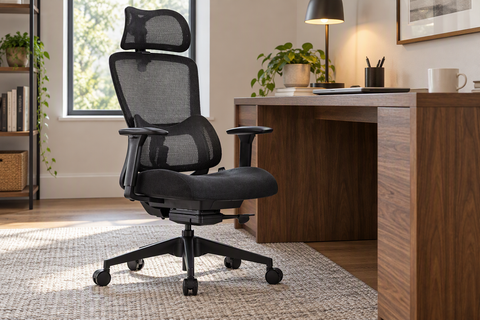
Mesh usually ages through tension loss, localized stretch, and edge wear. In plain terms, the seat can start to feel less taut, especially where your body loads the fabric most often. That does not always mean the chair is failing, but it can change the support feel enough that you notice it at the end of a workday.

The key point is that mesh aging is construction-dependent. A stronger frame and better support design can help mesh keep its shape longer, while a weaker support system can make the same material feel tired much sooner. If the weave loosens or hammocks in the seat area, the chair may still be usable, but it will usually feel less precise and less balanced.
For readers who want a broader buyer-facing comparison of mesh and leather compared, the big takeaway is that mesh often fails gradually. You usually see change before you see a total breakdown.
What Leather Shows by Year Five
Leather and leather-like surfaces usually age in a more visible way. The main signs are cracking, peeling, creasing, shine, and color change. Those are not all the same thing. Creasing and shine can be normal signs of use, while cracking or peeling point to a more serious surface breakdown.
High-contact areas tend to show wear first, especially the seat front, arm-touch points, and the edges of the backrest. Heat, dryness, direct sunlight, and harsh cleaning can make those changes appear sooner. A chair can still have a solid frame and good foam while the surface looks tired, so the visual signal should be read carefully.
That is why leather wear questions should be handled cautiously. The timing varies too much by finish, care, and use to turn into a universal rule.
How Foam Compression Changes Comfort
Foam can wear out before the outer material does. That matters because a chair that still looks fine may already feel flat or unsupportive. The CCOHS notes that a good seat should stay firm enough to prevent bottoming out in the chair seat, meaning you should not feel the hard seat pan underneath during normal use.
What does that look like in real life? The seat may feel denser in the center, less forgiving after a few hours, or uneven from side to side. That is a bigger comfort problem than most buyers expect. In other words, the outer material can age slowly while the cushion underneath reaches the end of its useful life first.
For long-term chair support, seat foam is often the part that changes the experience earliest. If the foam compresses badly, neither mesh nor leather will feel truly durable. That is also why support retention matters more than the upholstery label by itself.
Maintenance and Care Differences
Maintenance changes both appearance retention and perceived longevity. Mesh and leather need different care habits, and that difference matters if you want the chair to still look presentable after several years.
| Care Factor | Mesh | Leather |
|---|---|---|
| Routine cleaning | Dust and lint can collect in the weave, so light vacuuming or careful brushing helps | Wiping is usually simple, but spills should be handled quickly |
| Wear accelerators | Sliding, abrasion, and dirt buildup can speed visible wear | Dryness, heat, harsh cleaners, and sun exposure can speed surface aging |
| Appearance retention | Can stay visually clean if the weave is maintained | Can keep a polished look, but may show shine, creases, or cracking sooner |
| Forgiveness level | Better if you want breathability and less surface fuss | Better if you value a more formal look and are willing to maintain it |
The practical lesson is simple: if you are easy on routine care, mesh may stay presentable with less surface anxiety. If you prefer a more polished look, leather can work well, but only if you are willing to protect it from dryness and rough cleaning.
A simple habit check helps here. If you tend to clean lightly and use the chair hard every day, mesh is usually more forgiving. If you keep a controlled workspace and do not mind occasional conditioning or careful wiping, leather can hold its appearance well. Neither material is maintenance-free.
Which Material Makes More Long-Term Sense
The better five-year choice depends on what you will tolerate most: visible aging, maintenance, or comfort change. That is why a neutral buyer-fit matrix is more useful than a blanket winner. As long-term chair testing coverage often shows, durability is not just about the material but also about support retention and adjustability over time.
| Buyer type | Mesh over Five Years | Leather over Five Years | Best Fit |
|---|---|---|---|
| Comfort-first long-hours user | Usually better airflow and a lighter feel, if the support system is strong | Can feel plush, but may run warmer and show surface wear earlier | Mesh if heat and breathability matter most |
| Appearance-first buyer | Can look clean and modern, but usually reads more technical | Often better for a polished, executive look if cared for well | Leather if visual formality matters most |
| Low-maintenance buyer | Easier if you want simple dust control and less surface conditioning | Easier to wipe, but more sensitive to drying and finish wear | Mesh for simpler upkeep habits |
| Mixed-use office buyer | Good when seated for long periods and airflow matters | Good when presentation matters and use is moderate | Depends on the room and the cleaning routine |
If your priority is long-term support feel, mesh often makes more sense when the frame and foam are strong. If your priority is a refined look, leather can hold that impression longer, but only if you are realistic about care. For a fuller material overview, the mesh vs. leather vs. fabric guide is a helpful next read.
Five-Year Buyer's Checklist
Before you buy, check the parts that actually decide durability:
- Look at the seat foam, not just the upholstery.
- Test whether the chair still feels supportive at the edge and center of the seat.
- Move the recline, height, and arm adjustments more than once.
- Inspect seams, edges, and high-contact areas for early wear.
- Ask whether you will maintain mesh, leather, or both with the same level of effort.
- Judge the chair by how it should feel in year five, not only on day one.
If a chair already feels unstable, overly soft, or hard to maintain in the store, it usually will not become better with time. The safest choice is the one whose aging pattern matches your expectations.
Final Takeaway
Mesh vs leather chair durability over five years comes down to what changes first and what you care about most. Mesh often shifts through tension and support feel, while leather more often shows visible surface aging. Foam can fail before either cover does, so the cushion system matters as much as the material. If you want easier upkeep and breathability, mesh often fits better. If you want a polished appearance and can maintain it, leather may be the better long-term match.
FAQs
How Long Does Mesh Usually Stay Supportive in an Office Chair?
It depends on construction quality, how many hours a day you sit, and how well the chair is maintained. Mesh can stay supportive for years when the frame and support system are strong, but tension loss or hammocking can appear sooner in lower-quality builds.
What Are the First Signs That Leather Is Wearing Out?
Early signs usually include creasing, shine in high-contact areas, dryness, and small cracks at stress points. Surface wear does not always mean the chair has lost support, but it does signal that the finish is aging.
Can Foam Wear Out Before the Outer Material Does?
Yes. That is one of the most important long-term durability issues. A chair can still look good while the seat foam flattens enough to reduce comfort and create bottoming out.
Does Cleaning Change How Fast Mesh or Leather Ages?
Yes, because maintenance affects both appearance and wear triggers. Dust, grime, spills, harsh cleaners, and neglected care can all shorten the useful life of either material, even when the frame is still sound.
Which Material Usually Keeps a More Polished Look Over Time?
Leather usually keeps a more formal look at first, but it can show shine, creasing, and surface breakdown if it is not cared for properly. Mesh often looks more technical and may hide some wear better, but it is not immune to stretch or edge wear.





Leave a comment