

The Cognitive Cost of the Sedentary Workday
For many professionals, the 3:00 PM "brain fog" is a familiar adversary. It is that specific state of mental cloudiness where focus fractures, creative problem-solving stalls, and cognitive endurance evaporates. While often attributed to a heavy lunch or a lack of caffeine, contemporary research into office ergonomics suggests a more structural culprit: prolonged static sitting.
The human body is biologically optimized for movement. When we remain in a seated position for extended periods, we encounter what the Occupational Safety and Health Administration (OSHA) defines as static load—a physiological state where muscles must remain contracted to maintain a posture without the benefit of movement-driven circulation. This state is not merely a physical burden; it has profound implications for cerebral performance.
In this article, we investigate the physiological mechanisms linking vertical workstations to mental clarity. By synthesizing data from international standards, longitudinal reviews, and our own scenario modeling, we provide a blueprint for using ergonomic furniture not just as a tool for comfort, but as a primary driver of professional productivity.
The Physiology of Focus: Why Standing Works
The transition from sitting to standing triggers a cascade of physiological responses that directly influence cognitive function. According to the ISO 11226:2000 standard for the evaluation of static working postures, maintaining any single position for too long leads to fatigue. However, the act of standing introduces "micro-movements"—small shifts in weight and muscle engagement—that facilitate blood flow.
Cerebral Blood Flow and Oxygenation
Research indicates that prolonged sitting can lead to a decrease in cerebral blood flow. A study published in the Journal of Applied Physiology observed that breaking up sitting time with short periods of activity helps maintain higher levels of cerebral blood velocity. When you stand, your heart rate increases slightly (typically by 7–10 beats per minute), improving the delivery of oxygen and glucose to the brain—the primary fuels for high-level cognitive processing.
Proprioceptive Engagement and Alertness
Standing increases proprioceptive input—the brain's awareness of the body's position in space. This heightened sensory feedback acts as a natural stimulant. For professionals managing Attention-Deficit/Hyperactivity Disorder (ADHD) or general attention regulation challenges, this "background" physical engagement can help anchor focus. While the evidence base for ADHD and standing desks is still developing, as noted in studies from East Tennessee State University, the qualitative feedback from users often highlights a significant reduction in the "restlessness" that disrupts deep work.

Designing the Cognitive Command Center
To leverage these benefits, the workstation must be engineered to support the human frame across its full range of motion. We often observe that users fail to see cognitive gains because their "standing" setup is simply a "sitting" setup raised to the wrong height, leading to new musculoskeletal risks.
The Standard of "Fits Most"
When selecting a workstation, we look to the BIFMA G1-2013 Ergonomics Guideline. This standard provides dimensions intended to accommodate the 5th to 95th percentile of the population. A desk like the Ark EX Executive Standing Desk (60"x26") is designed with this range in mind, offering the adjustability required to transition from a seated "deep focus" mode to a standing "creative" mode without compromising the user's neutral spinal position.
Materiality and Focus
The environment plays a subtle but critical role in mental clarity. The Ark EL Executive Standing Desk (60"x26") utilizes oak texture veneers and refined finishes that align with the "Biophilic Design" principle—the idea that natural textures can reduce stress and improve concentration. Furthermore, compliance with UL GREENGUARD Certification standards for low chemical emissions ensures that indoor air quality does not become a hidden contributor to brain fog.
Modeling the ROI: Productivity and Performance
To understand the tangible impact of these ergonomic interventions, we conducted a scenario modeling analysis focused on a high-performance professional (e.g., a content creator or executive) working in a high-demand environment.
Modeling Note (Reproducible Parameters)
Logic Summary: Our analysis assumes a "High-Performance Professional" persona with a $50/hour wage, implementing a 4-hour daily standing regimen. This is a deterministic parameterized scenario model, not a controlled clinical study.
| Parameter | Value | Unit | Rationale / Source |
|---|---|---|---|
| Daily Standing Time | 240 | min | Recommended for attention regulation |
| Productivity Boost | 15% | ratio | Estimated gain from reduced brain fog |
| User Weight | 75 | kg | Average male baseline |
| Work Days/Year | 260 | days | Standard professional year |
| Metabolic Rate (Sit) | 1.5 | MET | Compendium of Physical Activities |
| Metabolic Rate (Stand) | 2.0 | MET | Compendium of Physical Activities |
Analysis Results:
- Annual Productivity Value: Under these assumptions, the 15% boost in focus during standing periods translates to approximately $7,800 in annual productivity value.
- Metabolic Impact: The user burns an additional ~157 calories per day, equivalent to roughly 11.7 lbs of fat loss per year, assuming caloric intake remains constant.
- Payback Period: For a high-end workstation like the Ark X Executive Standing Desk (60"x26"), the investment is recouped in approximately 1.2 months through efficiency gains alone.
The "20-8-2" Rhythm: A Protocol for Peak Performance
The most common mistake we see in our community feedback is "over-standing." Users often attempt to stand for 4–6 hours continuously, which leads to lower limb fatigue and, ironically, a decrease in cognitive performance due to physical strain.
According to the Cornell University Ergonomics Web, the ideal sit-stand rhythm is the 20-8-2 rule:
- 20 Minutes Sitting: For detail-oriented, high-concentration tasks.
- 8 Minutes Standing: For creative brainstorming, calls, or administrative work.
- 2 Minutes Moving: Stretching or walking to reset the musculoskeletal system.
Precision Adjustment: The Monitor Factor
Standing alone does not cure brain fog if your neck is strained. According to OSHA eTools for Computer Workstations, the top third of your screen should be at eye level. If you transition to standing but keep your monitor too low, you create "Forward Head Posture," which can restrict blood flow to the brain and cause tension headaches.
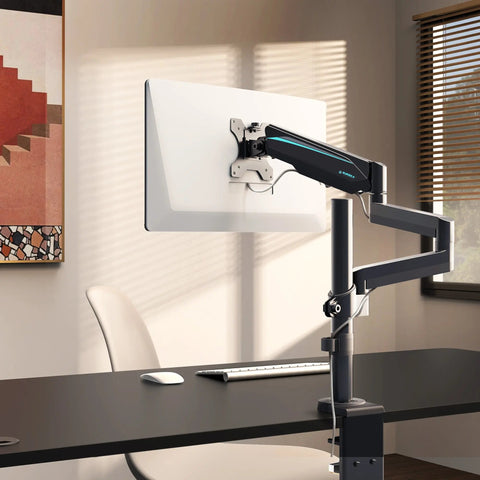
Using a Single Monitor Arm is essential here. It allows you to adjust the screen height independently of the desk surface, ensuring that whether you are using the leather-trimmed surface of an Ark X Executive Standing Desk (60"x26") or a standard tabletop, your visual plane remains ergonomic.

Strategic Task Alignment
Not all tasks are created equal. Practitioners and ergonomic auditors have observed that cognitive performance is task-dependent:
- Standing Tasks: Best for "divergent thinking"—brainstorming, video calls, reviewing high-level strategies, and creative editing. The increased arousal levels help maintain energy.
- Seated Tasks: Best for "convergent thinking"—detailed coding, financial auditing, or deep-dive writing. The stability of sitting allows for the fine motor control and intense focus these tasks require.
By aligning your desk height with the nature of your work, you create a "cognitive trigger." Raising the desk becomes a physical signal to the brain that it is time for high-energy, creative output.
Common Pitfalls and Expert Fixes
Based on common patterns from customer support and workplace assessments (not a controlled lab study), here are the "gotchas" that undermine the benefits of vertical workstations:
-
The "Locked Knee" Trap: Standing with rigid, locked knees increases joint pressure and reduces circulation.
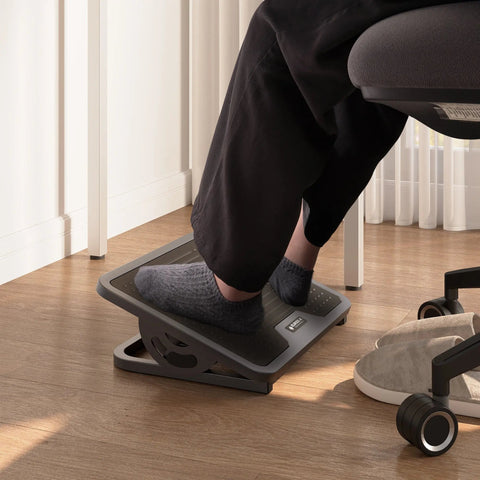
- The Fix: Maintain a slight "micro-bend" in the knees and use a footrest to occasionally elevate one foot, shifting the load.
-
The Keyboard Gap: Many users set their standing height too high, causing their shoulders to shrug.
- The Fix: Your elbows should be at a 90-degree angle, and your wrists should remain in a neutral position, as outlined in the HSE Guide for Display Screen Equipment.
-
Cable Tension: At maximum standing height, cables can become taut, creating a tipping hazard or damaging ports.
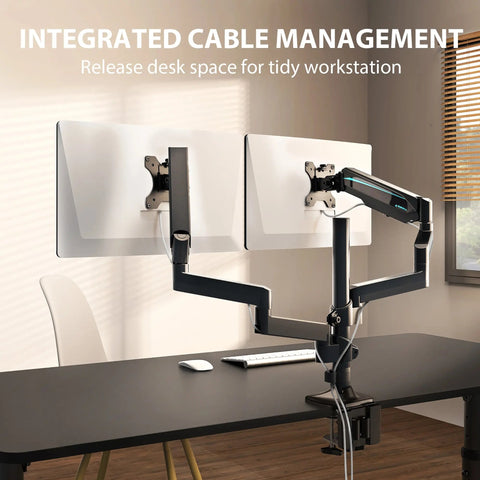
- The Fix: Always use integrated cable management systems and ensure your "battlestation" has enough slack for the full range of motion.
Integrating the 2026 Workstation Standards
As we look toward the future of office health, the integration of science and engineering becomes paramount. The industry is moving toward a more holistic view of the workstation, as detailed in The 2026 Workstation White Paper: Converging Ergonomic Science and Sustainable Engineering. This framework emphasizes that a desk is not just furniture; it is a "performance envelope" that must support the user’s biological and cognitive needs.
Summary Checklist for Beating Brain Fog
To maximize the cognitive benefits of your workstation, follow this evidence-based checklist:
- [ ] Adopt the 20-8-2 Rhythm: Use a timer to ensure you aren't staying static for more than 30 minutes.
- [ ] Verify Monitor Height: Ensure your eyes are level with the top third of the screen using a Single Monitor Arm.
- [ ] Match Task to Posture: Stand for creative work; sit for detail work.
- [ ] Check Your Load: Ensure your desk has the motor capacity (Dual Motor is recommended for multi-monitor setups) to move smoothly without disrupting your flow.
- [ ] Incorporate Micro-movements: Shift your weight, rock slightly, or use a balance board while standing.
By treating your standing desk as a tool for cerebral blood flow and proprioceptive engagement, you move beyond the "afternoon slump" and into a state of sustained professional excellence.
YMYL Disclaimer: This article is for informational purposes only and does not constitute professional medical, legal, or financial advice. The ergonomic recommendations provided are based on general industry standards and scenario modeling. Individuals with pre-existing musculoskeletal conditions, cardiovascular issues, or other health concerns should consult a qualified healthcare professional or occupational therapist before significantly altering their workspace or activity levels.
Sources
- BIFMA G1-2013 Ergonomics Guideline for Furniture
- ISO 9241-5:2024 Workstation layout & postural requirements
- Cochrane: Workplace interventions for reducing sitting at work
- Cornell University Ergonomics Web — Workstation Guides
- OSHA eTools: Computer Workstations - Neutral Working Postures
- Reductions in Cerebral Blood Flow Can Be Provoked by Sitting
- WHO 2020 Guidelines on Physical Activity & Sedentary Behaviour
- The 2026 Workstation White Paper




Leave a comment